Chayote: A Simple, Nutritious Vegetable That Also Makes a Great Smoothie
Finding vegetables that are healthy, versatile, and quick to prepare is not always easy. When life gets busy, many families end up relying on the same familiar produce again and again. Over time, those repeated choices can start to feel dull. Chayote offers an easy way to add variety without complicating your routine. Mild in flavor and packed with useful nutrients, it fits effortlessly into everyday meals. Even better, one unexpected preparation method turns this humble squash into a light, refreshing drink worth trying.
What Is Chayote?
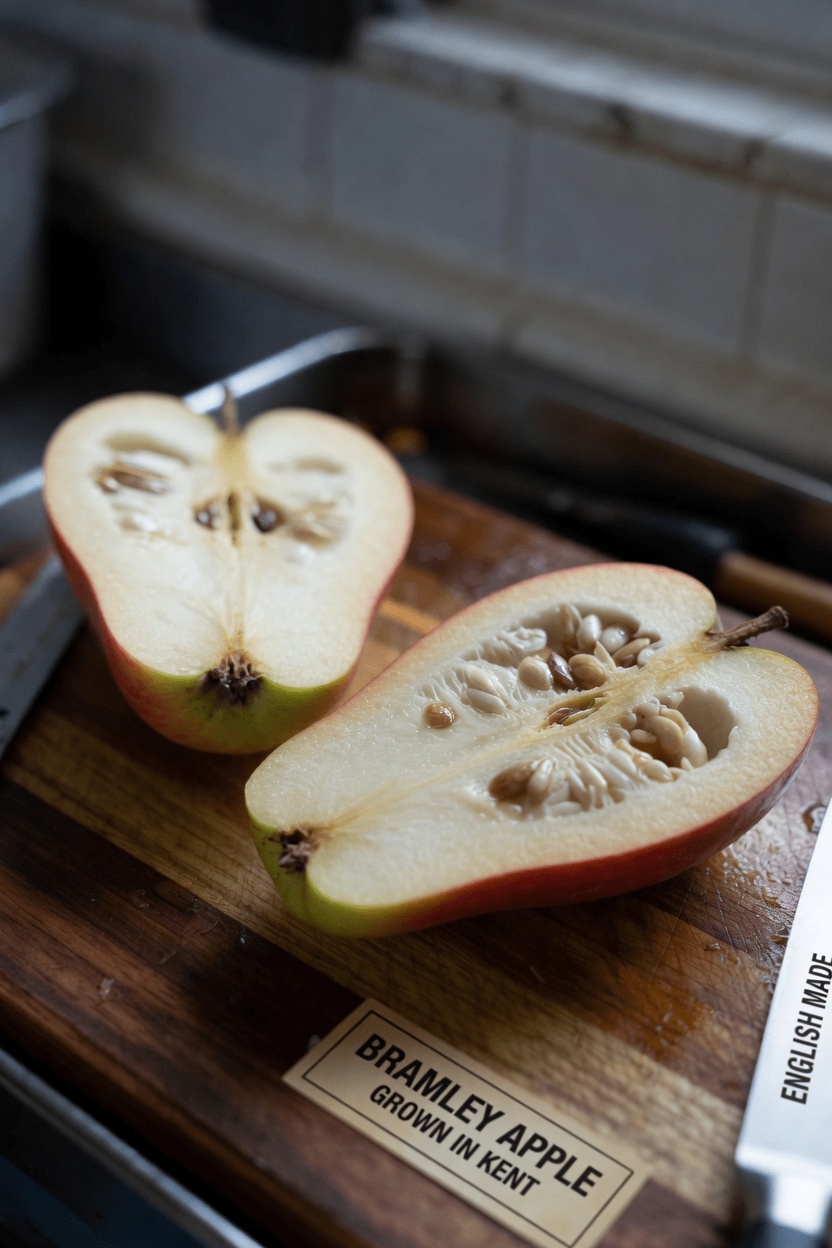
Chayote, sometimes called mirliton or vegetable pear, is a vine-grown squash related to zucchini, pumpkin, and other gourds. It originally comes from Central America, but today it is widely used in many cuisines around the world. Its flavor is delicate and slightly reminiscent of cucumber. When eaten raw, it has a crisp bite, while cooking gives it a softer, smoother texture.
A major advantage of chayote is that nearly the entire fruit can be used, including the skin and the seed. That makes it a practical ingredient for home cooks who want less waste and more flexibility in the kitchen.
What also helps chayote stand out is its affordability and availability. In many markets, it is sold year-round and usually remains budget-friendly. Because its flavor is so mild, it works well in many recipes, from salads to soups to baked dishes. Instead of overpowering a meal, it easily absorbs the seasonings and ingredients around it.

Why Chayote Is Nutritionally Impressive
Chayote delivers a lot of nutrition for very few calories. One medium squash contains roughly 39 calories, making it a smart option for people who want to eat well without adding excess energy to meals. It also provides about 4 grams of fiber, which can support healthy digestion as part of a balanced diet.
In addition, chayote contains vitamin C, an important nutrient for immune support and skin health. It is also a strong source of folate, a B vitamin involved in cell function and overall wellness. Another helpful mineral found in chayote is potassium, which contributes to normal fluid balance and other everyday body functions.
Chayote also contains antioxidants, including flavonoids and other beneficial plant compounds. Nutritional research has examined these substances for their potential role in supporting general health when regularly included in a varied eating pattern.
Key nutrients in one serving of raw chayote
- Fiber: 4 grams, about 12% of daily needs
- Vitamin C: more than 20% of the daily value
- Folate: close to 47% of the recommended daily intake
- Potassium: a useful contribution toward daily needs
- Manganese and copper: trace minerals that support energy-related processes
These numbers show why chayote deserves attention in modern meal planning. It offers strong nutritional value without requiring complicated tracking or preparation.
How Chayote Supports Healthy Everyday Habits
Chayote is made up largely of water, which makes it a naturally hydrating food. Its fiber content may also help promote fullness, which can make balanced portions easier to maintain. Studies on similar nutrient-dense vegetables suggest that regularly including these foods in an active, varied lifestyle may support healthy metabolic patterns.
Another reason people enjoy chayote is its adaptable texture. Depending on how you prepare it, it can stay pleasantly crunchy or become soft and creamy. This makes it easier to keep meals interesting throughout the week. It is especially useful for busy households because it needs very little preparation time.
Whether you are planning lunches, building quick dinners, or looking for fresh side dish ideas, chayote fits in naturally.
How to Buy, Store, and Prepare Chayote
When shopping for chayote, look for pieces that feel firm and have smooth skin without bruises or soft areas. Smaller chayotes are often more tender, while larger ones can be ideal for stuffing or batch cooking.
Before using, simply rinse the squash under cool water. Since the skin is edible, you can cook it whole or peel it if you prefer a smoother texture.
Storage tips
- Keep whole chayote in the refrigerator crisper drawer
- It can stay fresh for up to two weeks
- After cutting, wrap tightly and use within three days
- If you will not cook it right away, a little lemon juice on the cut surface can help reduce browning
Easy ways to prepare it
- Eat it raw in salads
- Steam it for a quick side dish
- Bake it as you would a potato
- Add it to soups or stews
- Use it in stir-fries
Each cooking method brings out a different side of its texture and flavor, so it is worth trying several to see which you enjoy most.
Refreshing Chayote Smoothie Recipe
One of the most surprising ways to enjoy chayote is in a smoothie. Blended with fruit and greens, it becomes a light, refreshing drink that works well for breakfast or an afternoon boost. It takes only a few minutes to make and uses simple ingredients.
Ingredients for 1 serving
- 1 medium chayote, peeled and chopped
- 1 green apple, cored and sliced
- 1 handful of fresh spinach or kale
- Juice of half a lime
- 1 cup cold water or coconut water
- Optional: a small piece of fresh ginger
Step-by-step instructions
- Wash and peel the chayote, then cut it into small cubes.
- Place the chayote, apple, greens, lime juice, and water into a blender.
- Blend on high for about 45 seconds, or until smooth.
- Taste and adjust if needed. Add more lime for extra brightness or a little honey if you want it sweeter.
- Pour into a glass and serve immediately.
This smoothie is an easy way to enjoy hydration, fiber, and vitamins in one glass. For many people, it quickly becomes a favorite morning habit.
More Ways to Use Chayote During the Week
Chayote is not just for smoothies. It also works beautifully in savory meals and simple side dishes. Its mild taste makes it easy to pair with herbs, garlic, grains, and proteins.
Try sautéing diced chayote with olive oil, garlic, and herbs for a quick side. You can also steam it and stir it into soups, where it absorbs flavor well without turning mushy. Another excellent option is to bake halved chayote with olive oil and seasoning until tender. The result is affordable, simple, and surprisingly elegant.
Five practical ways to add chayote to your routine
- Blend it into morning smoothies
- Dice it into soups and stews
- Slice it thin and serve it raw in salads
- Stuff halved chayote with grains or vegetables and bake it
- Grate it into fritters or patties for a crisp snack
Most of these ideas can be prepared in under 30 minutes, making chayote a realistic choice even on the busiest days.

Frequently Asked Questions About Chayote
Is chayote safe to eat regularly?
In general, yes. Chayote is usually well tolerated as part of a varied and balanced diet. If you have food sensitivities, it may be best to start with a small amount. For personal guidance, speak with a qualified healthcare professional.
How long does chayote last, and can it be frozen?
Whole chayote can stay fresh in the refrigerator for up to two weeks. For longer storage, peel and dice it, then freeze it in airtight bags. It can keep for several months, although the texture may become softer after thawing.
Can chayote be eaten raw, and what does it taste like?
Yes, raw chayote is completely edible. It has a mild, crisp flavor similar to cucumber, with a subtle hint of apple. It works well in salads or served with dips as a fresh snack.
Final Thoughts on Adding Chayote to Your Diet
Chayote is a practical, affordable vegetable that makes healthy eating feel easier. It offers a strong nutrient profile, works in many different recipes, and requires very little effort to prepare. From simple cooked dishes to a refreshing green smoothie, it gives you plenty of ways to add variety to your meals without extra stress.
Exploring chayote is an easy step toward a more diverse and enjoyable diet, especially if you want wholesome ingredients that fit naturally into everyday life.
Important Note
This article is for informational purposes only and should not be considered medical or nutritional advice. Always consult a qualified healthcare professional before making major dietary changes, especially if you have existing health conditions.