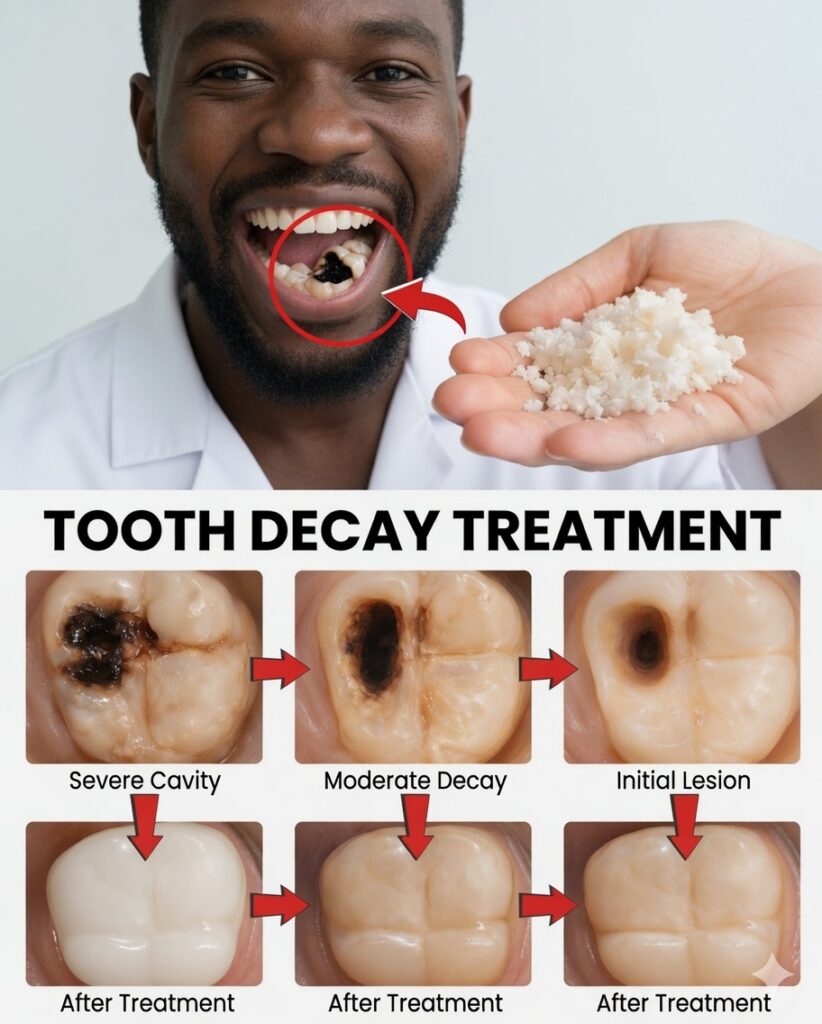
White Spots on Teeth? They Could Be an Early Warning Sign of Tooth Decay—But This Daily Habit Can Help
Have you ever noticed a faint white patch on a tooth and immediately felt worried? Many people dismiss this subtle change, yet it can be one of the first signs that your tooth enamel is losing minerals. This happens when plaque bacteria produce acids—often after sugar intake—leading to early demineralization. If nothing changes, that small white spot can progress into a painful cavity that requires dental treatment, along with the stress of sensitivity, more complex procedures, and unexpected costs.
The good news: when caught early—before a hole forms—your body can often fight back through a natural process called enamel remineralization. Saliva plays a key role by delivering minerals like calcium and phosphate back to the enamel surface. With a few simple, consistent habits, you can support this natural repair process, strengthen your teeth, and lower the odds of surprise dental visits.
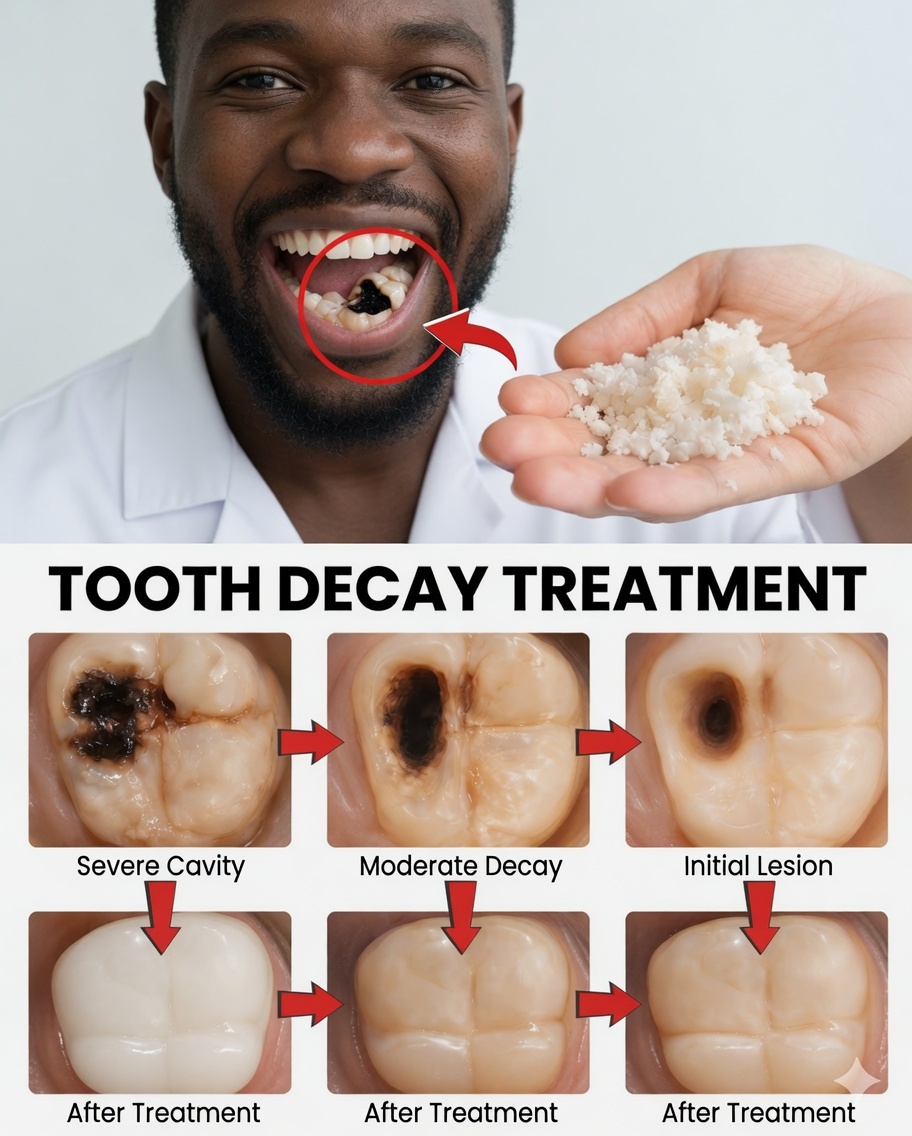
Why Remineralization Is Your Teeth’s Natural Defense
Tooth enamel is the hardest substance in the human body, but it isn’t indestructible. Every time oral bacteria feed on sugars, they release acids that strip minerals from enamel. This early mineral loss is known as demineralization—and it often shows up as white spot lesions.
Your saliva acts like a built-in protection system: it helps neutralize acids, rinse away debris, and redeposit key minerals into weakened enamel. When you reinforce this system with smart daily choices, enamel can become stronger again and the problem may not progress.
The key is daily consistency, not occasional effort.
7 Essential Habits to Support Early Enamel Repair
7) Brush twice a day (the right way)
Brushing removes plaque and helps deliver protective minerals to enamel. Brush for about two minutes using a soft-bristled toothbrush. After brushing, avoid rinsing aggressively with lots of water—leaving a thin layer of toothpaste residue can keep beneficial ingredients working longer.
6) Floss every day
A toothbrush can’t clean every surface, especially between teeth. Daily flossing removes trapped food and hidden plaque, giving saliva a better chance to protect those hard-to-reach areas.
5) Use a remineralizing mouthwash or fluoridated water
The right mouthwash can help reduce acidity after meals. Drinking fluoridated water (when available and appropriate) also supports enamel strength while keeping the mouth hydrated—another key factor for natural protection.
4) Cut back on sugar and acidic drinks
Each time you consume sugar or acidic beverages, bacteria can produce enamel-attacking acids for roughly 20–30 minutes. Reducing sweets, soda, and frequent citrus/acidic drinks can significantly lower ongoing enamel damage.
3) Chew xylitol gum after meals
Xylitol is a natural sweetener that harmful bacteria can’t use effectively. Chewing xylitol gum also increases saliva flow, helping neutralize acids and support enamel remineralization after eating.
2) Eat more mineral-rich foods
For saliva to “rebuild” enamel, your body needs enough calcium, magnesium, phosphorus, and vitamin D. Helpful options include:
- Cheese and yogurt
- Leafy green vegetables
- Almonds and other nuts
- Fatty fish (such as salmon)
A simple tip: finishing a meal with a small piece of cheese may help balance oral pH.
1) Stay well hydrated
Saliva is your mouth’s primary defense. It clears food particles, buffers acids, and transports essential minerals. Drinking water regularly throughout the day keeps this protective system working efficiently.
A Simple Daily Routine for Stronger Teeth
Morning
- Brush for 2 minutes
- Floss
After meals
- Rinse with water or chew xylitol gum
During the day
- Sip water regularly
- Choose tooth-friendly snacks like yogurt or almonds
Night
- Brush again
- Floss (and use a remineralizing mouthwash if you prefer)
With steady habits, many people report smoother-feeling teeth and reduced sensitivity after several weeks to a few months.
Extra Benefits Beyond Cavity Prevention
These oral care habits can also support:
- Fresher breath
- Less tooth sensitivity
- Stronger, more resilient enamel
- Better overall nutrition
Small daily changes can make a meaningful difference for both oral health and general well-being.
Common Questions
Can white spots on teeth improve naturally?
Yes. When a white spot is still at the early stage and there is no cavity, remineralization can help restore some enamel strength and appearance.
How long does it take to notice improvement?
With consistent routines, some people notice changes—like reduced sensitivity—within 1 to 3 months, though results vary by individual and habits.
What if my mouth is always dry?
Increasing water intake, using xylitol gum, and supporting saliva production may help. If dryness continues, seek guidance from a healthcare professional.
Important Notice
This article is for informational purposes only and does not replace professional evaluation. If you notice changes in your teeth, pain, or persistent sensitivity, consult a dentist for an accurate diagnosis and appropriate care.