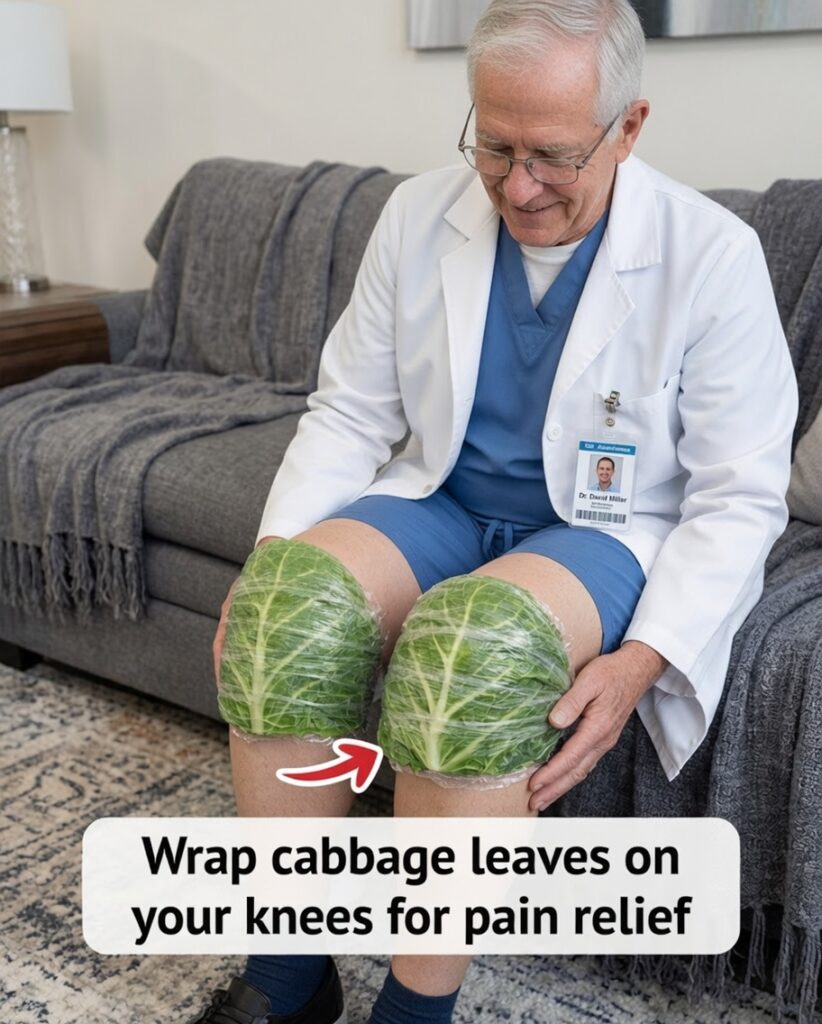
Can Cabbage Leaves Ease Knee Pain? Try Them for 7 Days and See the Difference
Living with knee pain—whether from osteoarthritis, joint stiffness, or everyday wear and tear—can make simple activities feel exhausting. Walking, climbing stairs, or even getting out of bed may turn into a daily struggle. What if a simple, affordable, kitchen-friendly option could offer some relief?
A traditional remedy using cabbage leaves has been gaining attention, and a few studies suggest it may be more than just folklore. Below is how it works, what research has found so far, and how to try it safely.
Why Cabbage Leaves? The Tradition Behind This Home Remedy
Cabbage has been used for generations in different cultures as a soothing topical compress. When applied to the skin, it may provide a cooling, calming sensation that some people find helpful for discomfort and mild swelling.
Part of the interest comes from cabbage’s natural compounds—including glucosinolates, sulfur-containing components, and antioxidants—which have been linked to anti-inflammatory activity in laboratory research. While lab findings don’t always translate perfectly to real-life pain relief, they help explain why this practice remains popular.
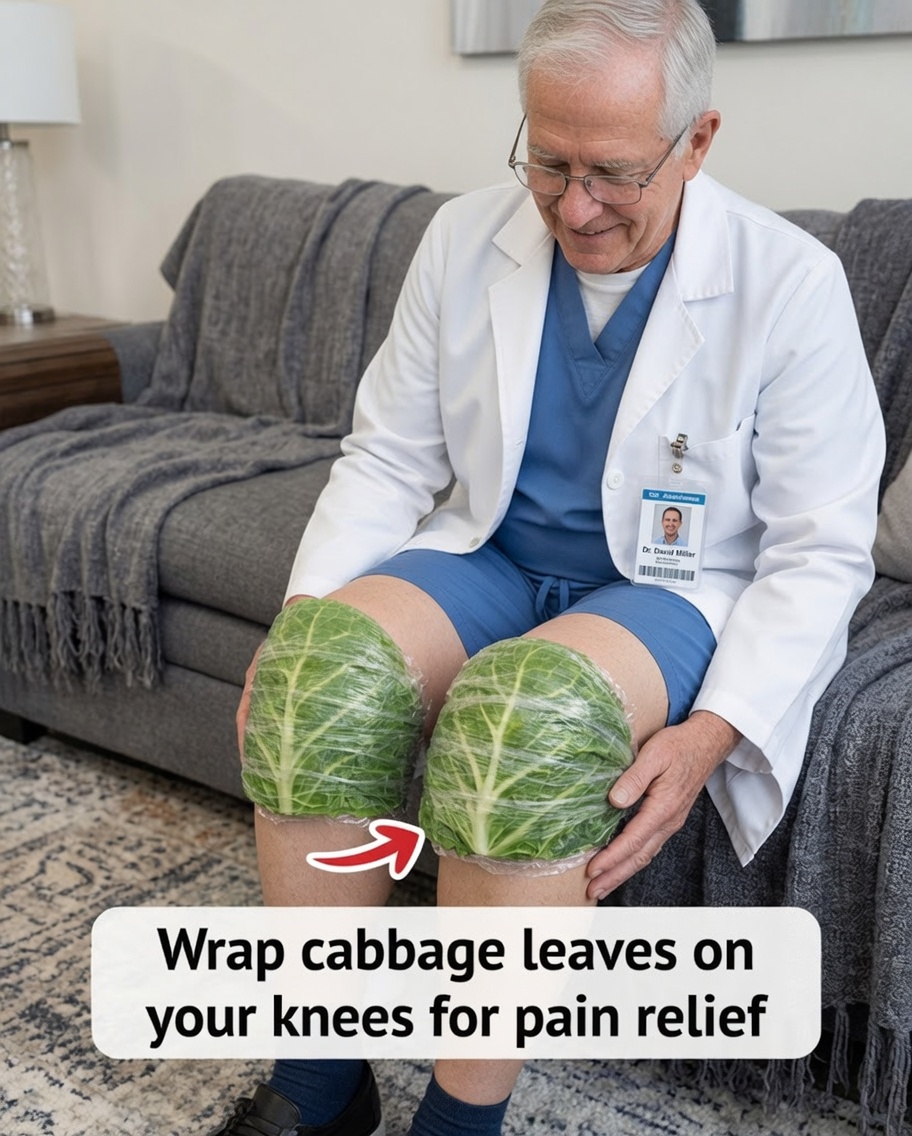
In traditional use, the leaves are gently crushed to release natural juices, then placed directly over the sore area like a wrap.
What Does the Science Say About Cabbage Leaves for Knee Pain?
Clinical research is still limited, but a few studies have explored cabbage leaf compresses for people with knee osteoarthritis:
- A 2016 clinical study reported that participants who used cabbage leaves daily for about four weeks experienced reduced pain and better mobility.
- A more recent comparison study looked at cabbage leaves versus cold gel pads and an anti-inflammatory gel. Results suggested that cabbage leaves and cold therapy both provided meaningful relief, in some measures outperforming the gel.
These findings are encouraging, but larger, high-quality trials are still needed to confirm how well cabbage compresses work and for whom. That said, cabbage contains compounds such as sulforaphane and (especially in red cabbage) anthocyanins, which support its reputation as a potentially anti-inflammatory plant.
How to Use Cabbage Leaves on Your Knee (Simple Step-by-Step)
If you want to test this natural approach, follow this practical routine:
- Choose the right cabbage: Pick fresh green or white cabbage with large, intact leaves.
- Wash the leaves well: Rinse thoroughly and pat dry.
- Gently crush the leaves: Use a rolling pin, bottle, or your hands to lightly bruise the leaf surface and help release juices.
- Chill (optional): Place leaves in the refrigerator for 30–60 minutes for a more cooling effect.
- Apply to the knee: Cover the sore area with 1–2 leaves.
- Secure comfortably: Use a light bandage or plastic wrap—snug, not tight.
- Leave it on: Keep in place for 1–2 hours, or overnight if it feels comfortable.
- Remove and clean: Take off the leaves, wash the skin, and dry gently.
Helpful tips
- Use fresh leaves each time (don’t reuse old leaves).
- Pair with rest or gentle movement, depending on what your body tolerates.
- Stop immediately if you notice itching, redness, rash, or irritation.
What Benefits Can You Realistically Expect?
Many people describe:
- A cooling, soothing sensation
- Less stiffness
- Mild improvement in comfort and movement
Cabbage leaves are not a guaranteed fix, but they may serve as a low-cost, chemical-free option to complement other knee-care strategies.
Quick comparison
- Cabbage leaves: Natural, inexpensive, needs preparation
- Cold gel pack: Convenient, reusable
- Topical gels/creams: Fast and easy, but may cause side effects for some
- Rest and pacing: Essential, free, and often underestimated
Safety, Precautions, and Expectations
For most people, cabbage leaf compresses are considered low risk, with occasional reports of minor skin irritation. However, they are not a substitute for medical evaluation or treatment.
Seek professional advice—especially if:
- Pain is persistent or worsening
- There is significant swelling, heat, or redness
- You had an injury (twist, fall, sudden “pop”)
- You have medical conditions or take medications that affect inflammation or circulation
Is It Worth Trying for 7 Days?
Knee pain doesn’t have to control your day. While research is still developing, current evidence suggests cabbage leaf compresses can be a simple, accessible supportive option for some people—particularly for discomfort related to osteoarthritis or stiffness. If you try it, do so safely and track changes in pain and mobility over a week.
Frequently Asked Questions
How long should I use cabbage leaves each day?
Most people try 1–2 hours daily, or longer (even overnight) if it remains comfortable and your skin tolerates it.
Can I use red (purple) cabbage instead of green?
Yes. Red cabbage has more antioxidants, although many studies have focused on green cabbage.
Is it safe for everyone?
Generally, yes—but avoid using it if you have allergies to cabbage, open wounds, or you’ve been advised against topical treatments by a clinician.
Disclaimer
This content is for informational purposes only and does not replace professional medical advice. Always consult a qualified healthcare provider before starting any treatment. Results can vary between individuals.