Avoid These 12 Habits to Help Amlodipine Work Better
Less dizziness, less swelling, and steadier blood pressure control
You take amlodipine every day expecting your blood pressure to stay stable—yet dizziness, ankle swelling, or unexpected BP fluctuations can still show up. That’s frustrating and confusing. Is the medication failing, or could everyday choices be quietly interfering with how it works?
The encouraging news: a handful of common triggers are often responsible. Once you spot them, you can regain more control over your results. Keep reading—#3 is something many people eat weekly without realizing its impact.
Why Knowing What to Avoid Matters
Amlodipine is widely prescribed for high blood pressure and angina (chest pain). It works by relaxing blood vessels, helping blood flow more easily and reducing strain on the heart.
Because amlodipine is processed by the liver and directly affects blood pressure regulation, certain foods, drinks, medications, and daily habits can change its effectiveness—or increase side effects.
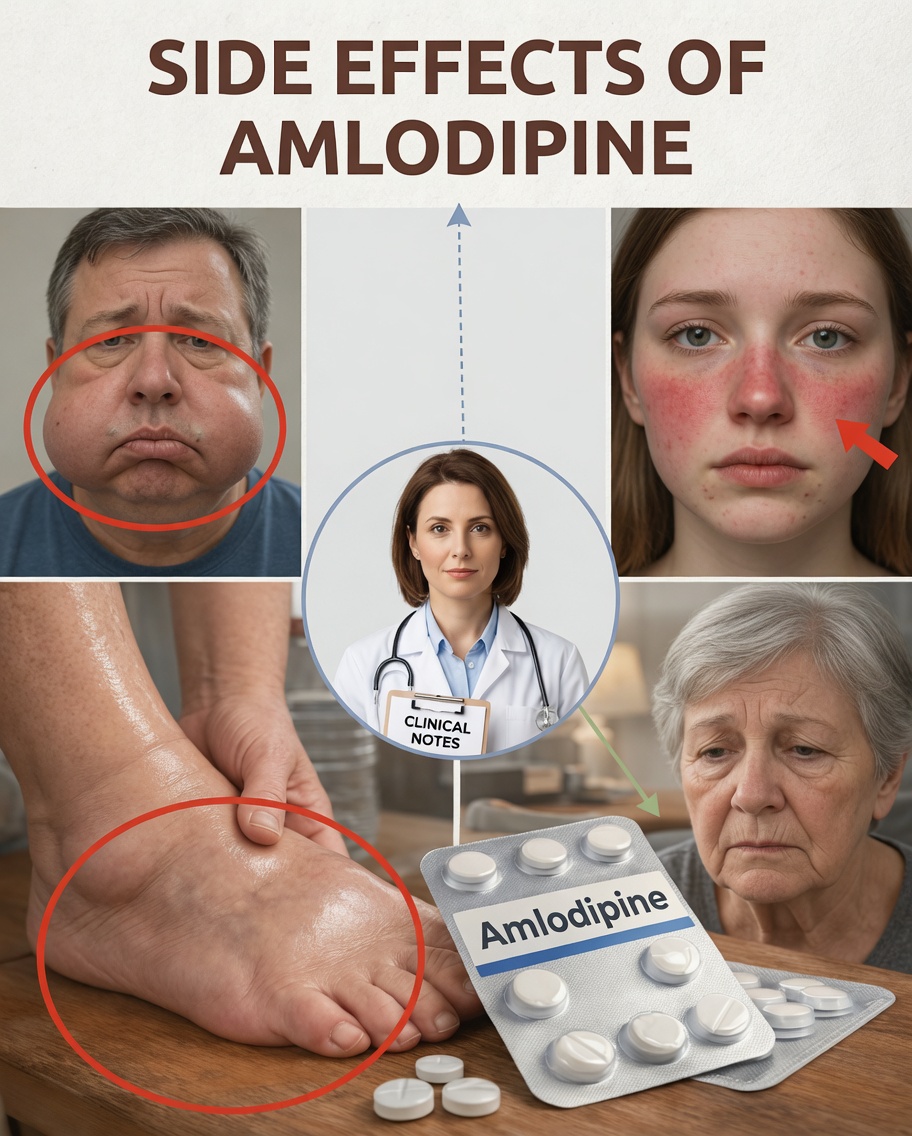
With a few routine adjustments, many people notice fewer issues such as ankle/leg swelling, dizziness, fatigue, and headaches, sometimes within days.
12 Things to Avoid When Taking Amlodipine
12) Grapefruit (and grapefruit juice)
Grapefruit can interfere with liver enzymes that metabolize medications. This may cause amlodipine to stay in your system longer, increasing the chance of side effects.
11) Too much alcohol
Alcohol can lower blood pressure on its own. Combined with amlodipine, it may lead to lightheadedness, weakness, or faintness. If you drink, keep it moderate and preferably with food.
10) Energy drinks
Often packed with caffeine and sugar, energy drinks may raise heart rate and blood pressure—the opposite of what you want while treating hypertension.
9) Anti-inflammatory pain relievers (ibuprofen, naproxen)
Some NSAIDs can reduce blood pressure control and contribute to fluid retention. Always check with a clinician before using them regularly.
8) High-sodium foods
Excess salt (sodium) can worsen swelling and make blood pressure harder to manage. Limit processed foods, packaged snacks, fast food, and salty sauces.
7) Real licorice root
True licorice (not just “licorice flavor”) may increase blood pressure and disrupt fluid balance. It can appear in some teas, herbal blends, and “natural” products.
6) St. John’s wort
Commonly used for mood support, St. John’s wort can speed up how the body processes certain drugs, potentially reducing amlodipine’s effectiveness.
5) Dehydration
Not drinking enough water may worsen dizziness and headaches, especially in people already prone to blood pressure drops.
4) Smoking
Nicotine causes blood vessels to tighten, which directly counters amlodipine’s goal of relaxing the arteries and improving circulation.
3) Heavy meals
Large, heavy meals can trigger blood pressure shifts and make you feel sluggish or dizzy. Consider smaller, more balanced meals throughout the day.
2) Standing up too quickly
Sudden posture changes can cause a brief blood pressure drop (orthostatic hypotension), leading to lightheadedness. Rise slowly from sitting or lying down.
1) Skipping meals
Low blood sugar can cause weakness and dizziness, which may feel worse while on blood pressure medication. Try to eat consistently.
Practical Daily Tips
- Drink water throughout the day, even if you don’t feel thirsty
- Choose lighter, balanced meals and avoid oversized portions
- Check labels on teas and supplements for licorice root or St. John’s wort
- Stand up slowly after sitting or lying down
- Cut back on processed, high-salt foods
- Ask a healthcare professional before starting new supplements or medications
Final Thoughts
Amlodipine works best when your daily habits support it—not fight it. Avoiding these 12 factors can help stabilize blood pressure, reduce side effects, and improve your overall well-being.
Small changes can create meaningful results.
If this helped, consider sharing it with someone else who takes blood pressure medication—you may help them feel better starting today.
Frequently Asked Questions
Can I drink alcohol occasionally?
Yes—in moderation, ideally with meals. Pay attention to how your body responds, especially regarding dizziness.
What if I accidentally have grapefruit once?
A single exposure usually isn’t a major issue for most people, but avoid making it a regular habit and monitor for symptoms.
Can I take ibuprofen?
It may interfere with blood pressure control and contribute to fluid retention in some people. Check with your doctor or pharmacist first.
Disclaimer: This content is for informational purposes only and does not replace professional medical advice. Always consult a qualified healthcare provider for personalized guidance.