Cassava: Nutrition, Safety, and the Right Way to Prepare It
Cassava is a popular staple food enjoyed in many forms, from boiled root and crispy fries to flour used in baking and cooking. Although it is highly versatile, people often question whether cassava is safe to eat because it naturally contains certain plant compounds.
Knowing how to select and prepare cassava correctly is essential if you want to enjoy it safely. In this guide, you’ll learn about cassava’s nutrition, its possible effects on the body, and the practical preparation methods that make it suitable for everyday meals. You’ll also discover a simple but often-missed kitchen tip that can make a big difference.
What Is Cassava and Why Do So Many People Eat It?
Cassava, also called yuca or manioc, is a starchy root vegetable grown extensively in tropical climates. It is a major food source for millions of people, especially across Africa, Asia, and Latin America.
Its popularity comes from its mild taste, filling texture, and flexibility in the kitchen. Cassava can be boiled, fried, dried, or turned into flour, making it useful for both simple home meals and traditional dishes. However, one important detail is often overlooked: cassava exists in sweet and bitter varieties, and that difference affects how it should be prepared.
Sweet cassava usually contains lower amounts of naturally occurring compounds, while bitter cassava has higher levels and needs more careful processing. Studies show that proper preparation strongly influences how safe and well-tolerated cassava is.
Cassava Nutrition Facts
Cooked cassava is mainly valued as an energy-rich carbohydrate source. A serving of about 1 cup of boiled cassava (roughly 160 grams) provides close to 300 calories, mostly from starch, along with modest amounts of fiber, protein, and several important micronutrients.
Cassava contains useful nutrients such as:
- Vitamin C, which helps support the immune system
- Potassium, important for muscle function and heart health
- Magnesium and copper, which contribute to many daily body functions
Some research also suggests cassava may contain resistant starch, depending on how it is prepared. In the digestive system, resistant starch can act somewhat like fiber, which may support fullness and help maintain more stable energy.
Because cassava is mostly starchy, it works best when eaten with:
- Protein sources
- Healthy fats
- Vegetables
This combination helps create a more balanced and satisfying meal.
Possible Benefits of Eating Cassava
When handled and cooked correctly, cassava can be a useful part of many diets. Its high carbohydrate content makes it especially valuable for people who need steady energy, including those with active lifestyles or communities where cassava is a daily staple.
Potential benefits of cassava include:
- Providing a reliable source of energy
- Helping some people feel full due to its fiber and resistant starch content
- Serving as a gluten-free flour alternative in baking and thickening sauces
- Offering a neutral flavor that blends easily into different recipes
Many home cooks appreciate cassava flour because it does not dominate other ingredients. Still, these benefits depend on proper processing and moderate intake.
The Key Safety Issue: Natural Compounds in Cassava
Cassava naturally contains cyanogenic glycosides, plant compounds that can release hydrogen cyanide when the root is damaged, cut, or crushed. This is part of the plant’s natural defense system.
If cassava is eaten raw or not prepared properly, these compounds may cause symptoms such as:
- Nausea
- Dizziness
- Stomach discomfort
In more serious situations, especially when large amounts are eaten or poorly processed cassava is consumed repeatedly, the effects can be much more concerning.
Public health research has linked unsafe cassava preparation to health problems in places where processing steps are skipped. For this reason, food safety experts consistently stress the importance of proper handling.
The encouraging news is that traditional preparation methods can reduce these compounds to very low, generally safe levels.
In general:
- Sweet cassava starts with lower levels and is easier to prepare
- Bitter cassava needs more extensive treatment, such as soaking or fermenting
How to Prepare Cassava Safely at Home
Safe preparation is the most important part of eating cassava confidently. If you follow a few basic food safety steps, cassava can be enjoyed without unnecessary risk.
Step-by-Step Cassava Preparation
-
Choose fresh roots
- Look for cassava that feels firm and comes from a trusted source.
-
Peel it deeply
- Remove the outer skin completely, along with the thick fibrous layer underneath.
-
Cut or grate the root
- Smaller pieces expose more surface area, which helps the preparation process work better.
-
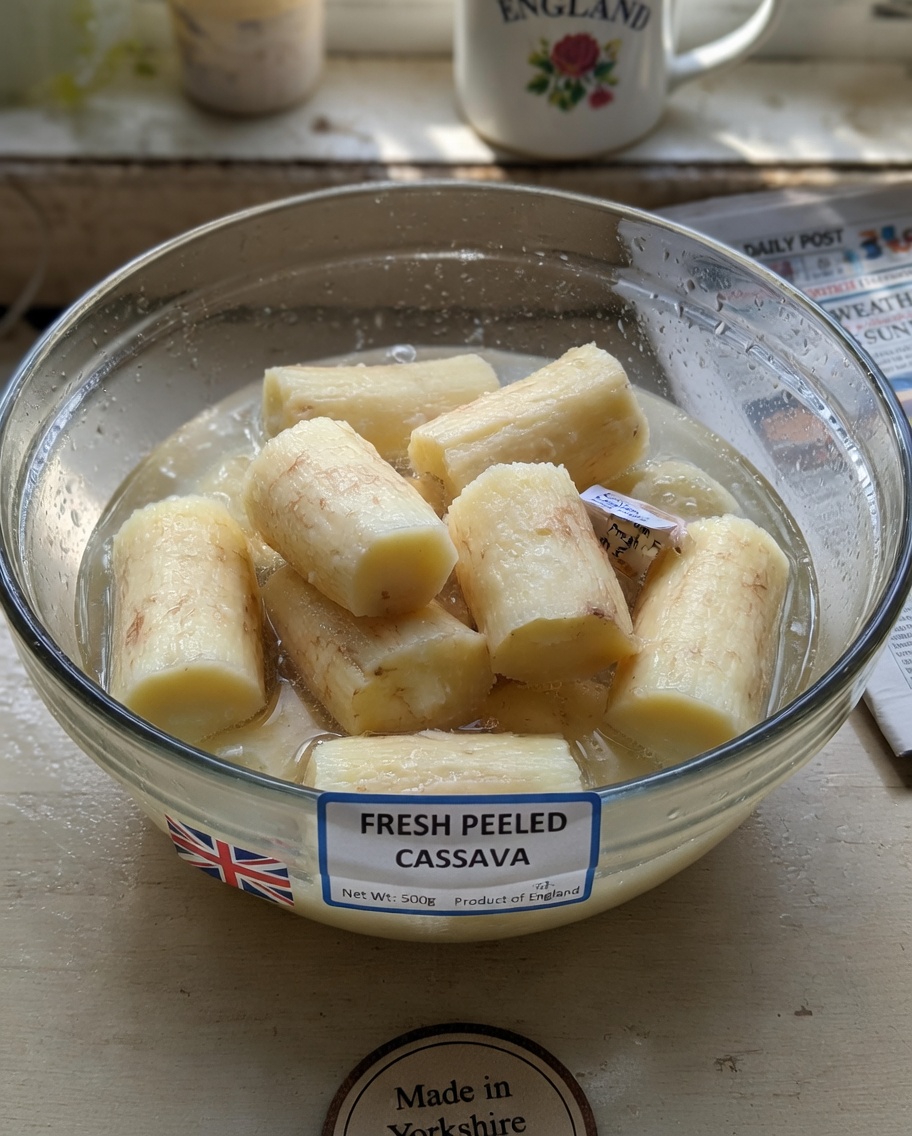
Soak in clean water
- Let the cassava sit in plenty of fresh water for several hours.
- Bitter types may need much longer soaking, sometimes up to a few days.
- Change the water regularly.
-
Cook thoroughly
- Boil until the cassava becomes fully soft.
- Proper cooking helps release and reduce unwanted compounds.
-
Use processed flour from reliable sources
- If buying cassava flour or dried cassava products, make sure they come from manufacturers that follow safe processing methods.
Traditional Methods That Improve Safety
In many cultures, cassava is made safer through a combination of techniques such as:
- Grating
- Soaking
- Fermenting
- Roasting
- Sun-drying
These methods can remove most of the naturally occurring compounds of concern.
Comparing Common Preparation Methods
-
Boiling only
- Can reduce harmful compounds significantly if done long enough
-
Soaking and then boiling
- More effective than boiling alone
-
Grating, fermenting, and roasting
- One of the most thorough traditional methods, often used in products like gari
-
Sun-drying
- Encourages longer enzyme activity, which helps break down these compounds
A simple but very important rule: never taste cassava raw, and always throw away the soaking water.
Who Should Be More Careful With Cassava?
For most people, properly prepared cassava eaten in normal amounts is not a problem, especially when it is part of a varied and balanced diet.
However, some groups may want to be more mindful:
- People who eat very large portions regularly
- Those whose diet depends heavily on cassava as the main starch
- Individuals with thyroid concerns, since certain cassava compounds may affect iodine use when consumed in high amounts over time
- Pregnant women
- Young children
- Anyone with specific medical conditions
As with other staple carbohydrates like rice, potatoes, or other root vegetables, moderation matters.
Easy Ways to Add Cassava to Your Diet
If you want to enjoy cassava safely, start with simple methods and balanced meals.
Practical Ideas
- Choose sweet cassava varieties for easier home preparation
- Serve boiled, peeled, and soaked cassava as a side dish
- Pair cassava with:
- Beans
- Leafy greens
- Fish, poultry, or other lean proteins
- Use commercially prepared cassava flour for gluten-free baking or thickening
- Try traditional dishes from regions where cassava has long been part of the cuisine, such as boiled yuca with sauce
If you are new to cassava, begin with small portions and see how your body responds.
Common Questions About Cassava
Is cassava the same as yuca?
Yes. Yuca is simply another common name for cassava root. It should not be confused with yucca, the ornamental plant often used in landscaping.
Can cassava be eaten every day?
In many traditional food cultures, people eat cassava daily without issue, provided it is prepared correctly and eaten as part of a varied diet. It is still a good idea to rotate your starches for broader nutrition.
What happens if cassava is undercooked or poorly prepared?
A small amount may only cause mild digestive discomfort. But if you experience stronger symptoms, such as vomiting, dizziness, or significant stomach upset after eating cassava, you should seek medical advice promptly.
Does cooking remove all of the risk?
Proper peeling, soaking, and thorough cooking reduce the concerning compounds to levels considered safe under most food guidance. Safe preparation is what makes the difference.
Final Thoughts on Eating Cassava Safely
Cassava can be an affordable, filling, and useful source of energy when you understand how to handle it correctly. The best approach is simple: buy good-quality roots, peel them well, soak them when needed, cook them thoroughly, and serve them with other nutritious foods.
One of the most overlooked preparation tricks is also one of the most effective: changing the soaking water regularly before cooking. It’s a small step, but many experienced home cooks consider it essential for safer, better cassava.