Non-Alcoholic Fatty Liver: A Growing Health Concern
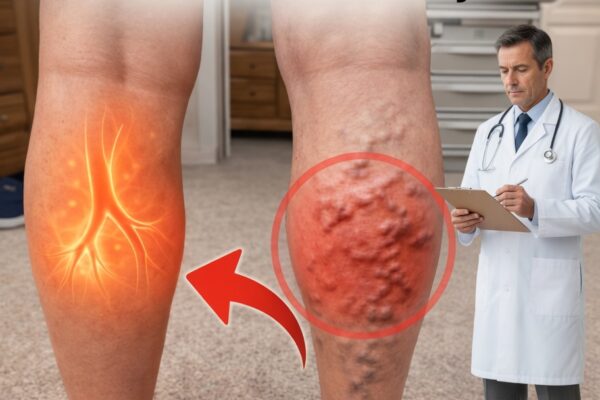
Non-alcoholic fatty liver disease (NAFLD) is becoming increasingly common in both adults and younger people. It develops when excess fat accumulates inside liver cells, gradually interfering with the liver’s normal function.
This condition is frequently associated with:
- Excess body weight or obesity
- Diets high in sugar and refined carbohydrates
- Sedentary lifestyle and lack of physical activity
- Insulin resistance and early stages of metabolic syndrome
The encouraging news is that, in its early phases, fatty liver can often be significantly improved through targeted changes in diet and daily habits.
Foods That Support a Healthier Liver
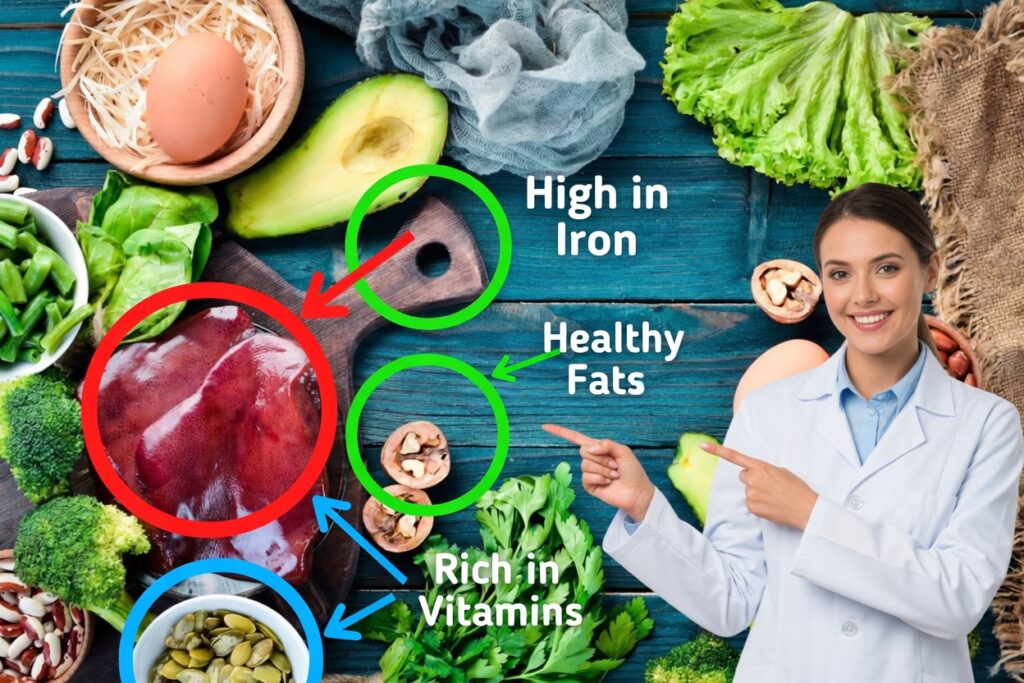
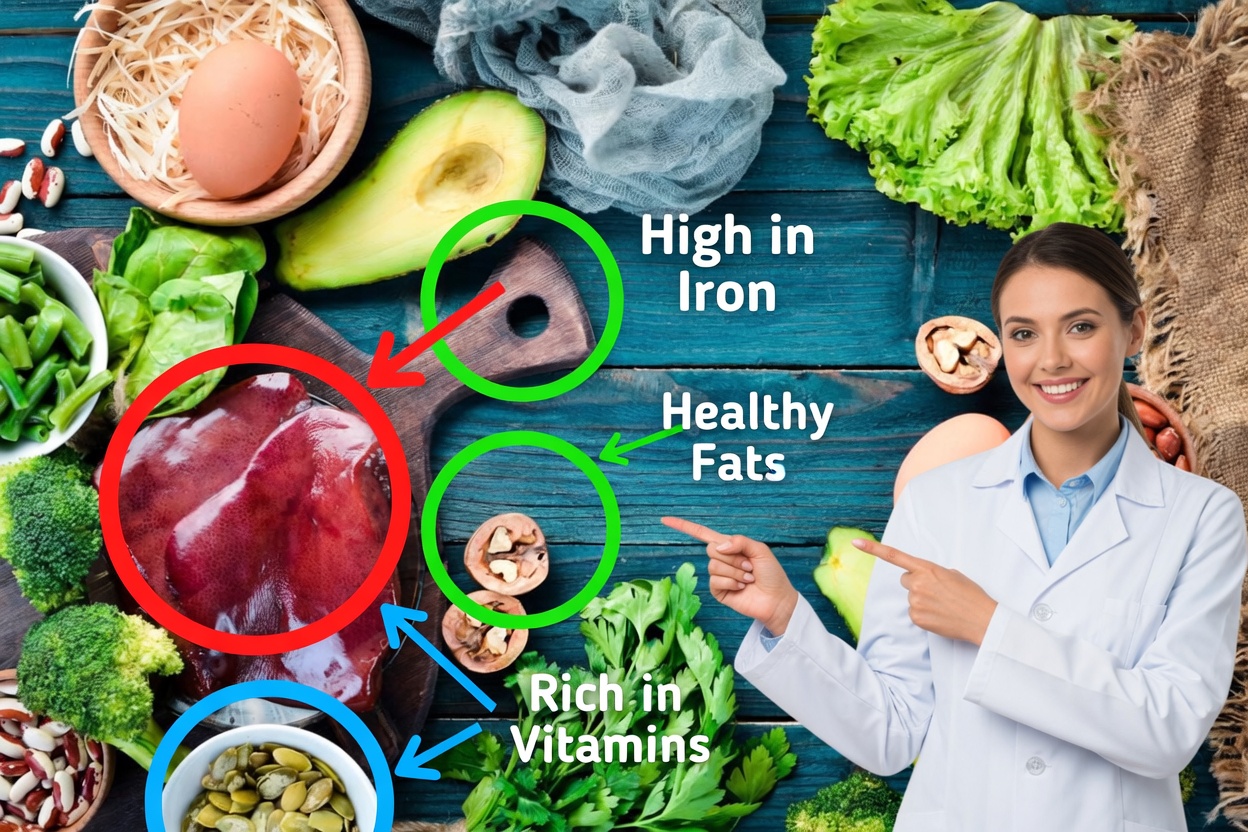
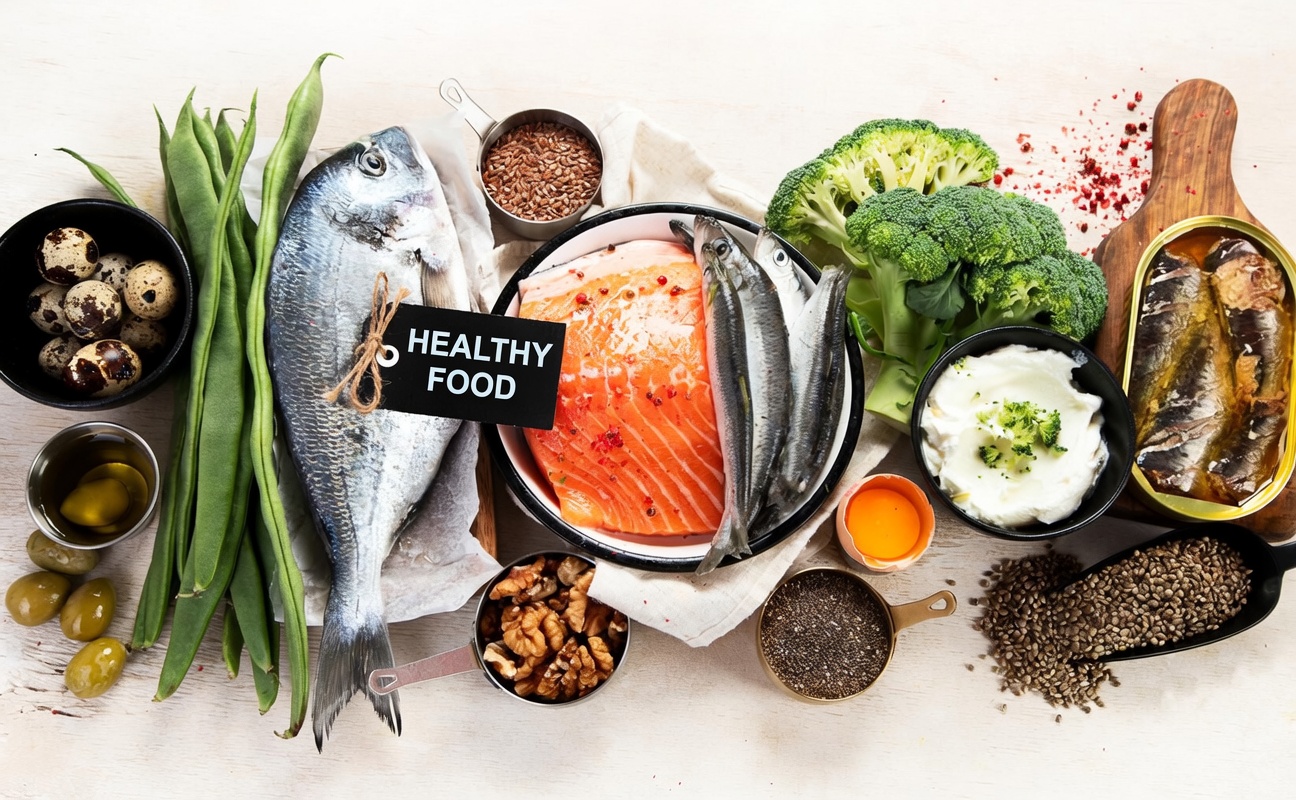
A diet centered on whole, minimally processed foods can help decrease fat deposits in the liver and improve metabolic health.
Recommended foods for fatty liver
-
Broccoli and other green vegetables
Support the liver’s natural detoxification processes and supply antioxidants. -
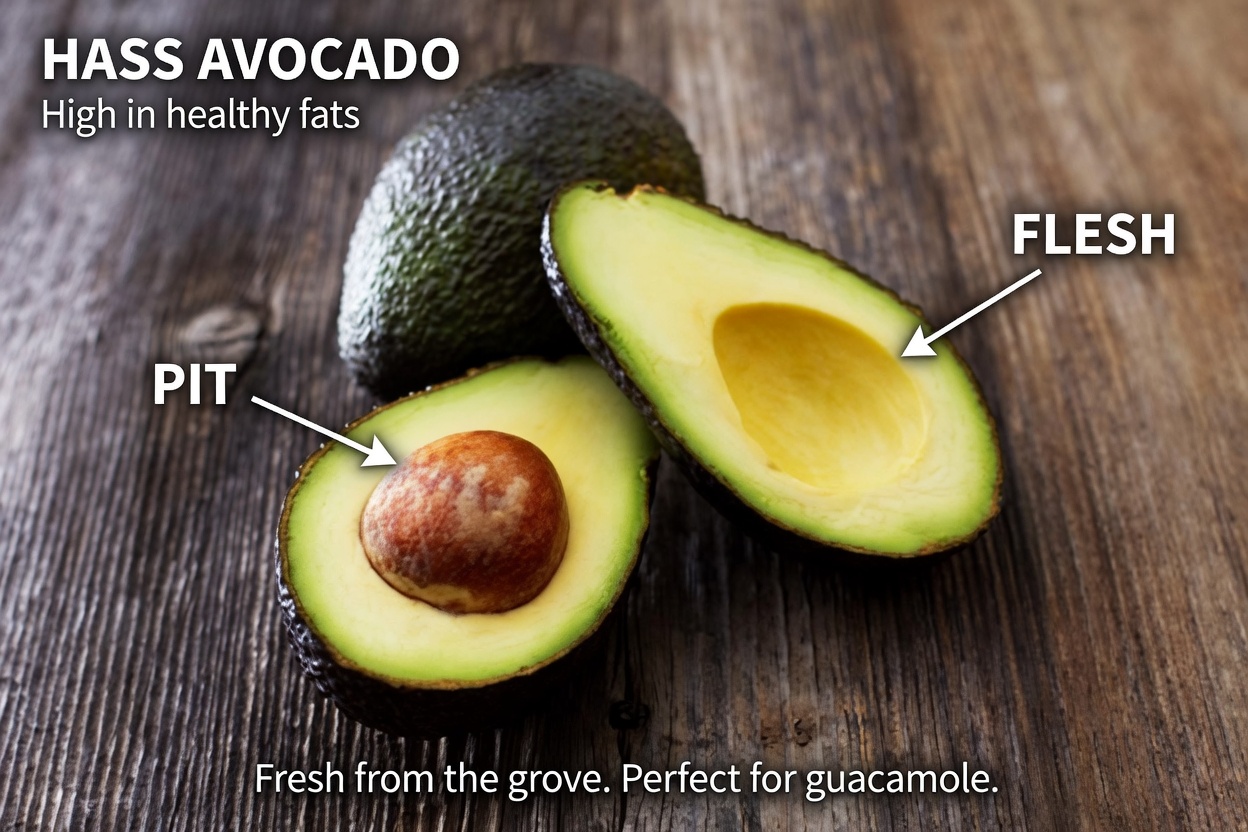
Avocado
Provides healthy monounsaturated fats that promote a better fat metabolism. -
Fatty fish rich in omega-3 (salmon, sardines, tuna)
Help reduce inflammation and may improve blood fat levels. -
Extra-virgin olive oil
Contributes to a healthier lipid profile and may help reduce liver fat when used in moderation. -
High-fiber fruits (apples, papaya, berries)
Assist in controlling blood sugar levels, support digestion, and help with weight management.
These foods can positively influence key mechanisms involved in metabolism and insulin resistance, both of which are closely linked to non-alcoholic fatty liver disease.
Simple Sample Meal Plan for Fatty Liver Support
The following is a basic example of how you can combine liver-friendly foods in a day. Portions should be adjusted to your individual needs and medical advice.
Breakfast
- Oats prepared with water or low-fat milk, topped with chia seeds
- 1 piece of fruit (such as an apple or papaya)
- Green tea or unsweetened coffee
Lunch
- Grilled fish or skinless chicken
- Large mixed salad with plenty of green vegetables
- Slices of avocado
- Brown rice or quinoa as a whole-grain side
Dinner
- Vegetable soup (preferably homemade, low in salt)
- Salad dressed with extra-virgin olive oil
- Plain yogurt without added sugar or one serving of fruit
This type of eating pattern emphasizes fiber, healthy fats, and lean protein while limiting added sugars and refined carbohydrates, all of which support liver health.
Lifestyle Habits to Reduce Liver Fat
Diet is only one piece of the puzzle. Daily habits play a crucial role in improving fatty liver and overall metabolic health.
Recommended lifestyle changes include:
-
Regular physical activity
Aim for at least 30 minutes of walking or other moderate exercise most days of the week. -
Cutting back on sugary drinks and ultra-processed foods
Avoid sodas, sweetened juices, packaged snacks, fast food, and desserts high in sugar and unhealthy fats. -
Prioritizing quality sleep
Try to get 7–8 hours of restful sleep each night to support hormone balance and metabolic function. -
Maintaining a healthy body weight
Even a modest weight loss (5–10% of body weight) can significantly reduce liver fat. -
Limiting alcohol consumption
While the condition is “non-alcoholic,” alcohol still puts extra strain on the liver and should be minimized or avoided, especially if liver disease is present.
These measures help reduce the risk of progression to non-alcoholic steatohepatitis (NASH), a more severe form of fatty liver that can lead to fibrosis and cirrhosis.
Warning Signs You Should Not Ignore
Non-alcoholic fatty liver disease often develops silently and may show no obvious symptoms, especially in the early stages. However, some people may experience:
- Persistent fatigue or low energy
- A feeling of heaviness, pressure, or discomfort in the upper right side of the abdomen
- Abdominal bloating or swelling
- Abnormal liver function tests on routine blood work
If you notice any of these signs, or if blood tests reveal changes in liver enzymes, it is important to consult a healthcare professional for proper evaluation and monitoring.
Conclusion: The Liver Can Recover
The liver is a remarkably resilient organ with a strong capacity to repair itself. With a balanced diet, regular exercise, weight management, and healthy lifestyle choices, many individuals can reduce liver fat and improve their overall health.
Always seek guidance from a doctor or qualified specialist before making major changes to your diet, exercise routine, or treatment plan—especially if you already have a diagnosis of fatty liver or any other liver disease.