
Turmeric and Testosterone: Can This Golden Spice Support Men’s Hormonal Health?
As men get older, it is normal to experience gradual changes in stamina, strength, muscle retention, and motivation. In many cases, these shifts are linked to a natural decline in testosterone over time. That can make exercise feel less rewarding, recovery more difficult, and day-to-day energy harder to sustain.
Because of this, many men look for natural ways to support hormone balance without turning to extreme measures. One option that continues to attract attention is turmeric, the golden spice long valued in both cooking and traditional wellness. Its main active compound, curcumin, is being studied for its possible role in supporting overall health, including processes related to hormones.
So, can turmeric actually help? Below, we look at what current research says, how turmeric may work, practical ways to include it in your routine, and key safety points to keep in mind.
What Is Turmeric and Why Is Curcumin Important?
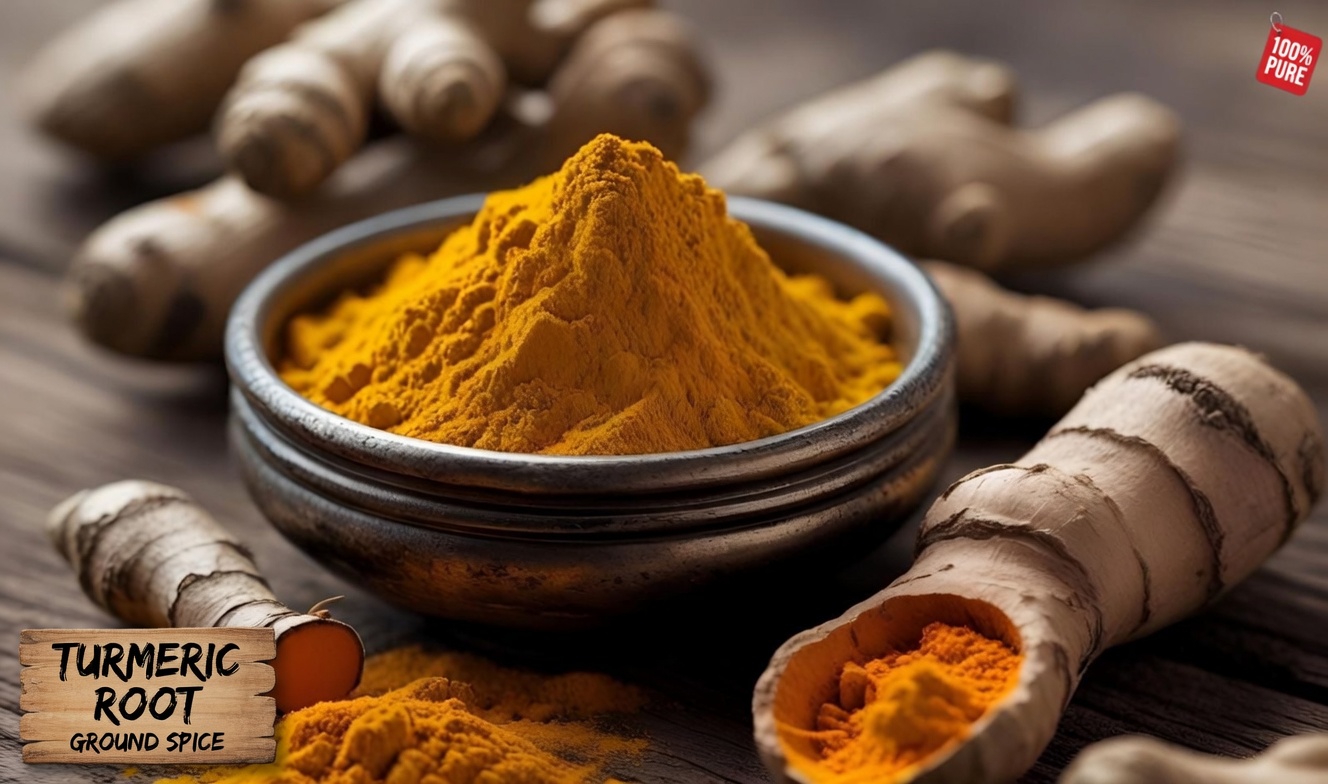
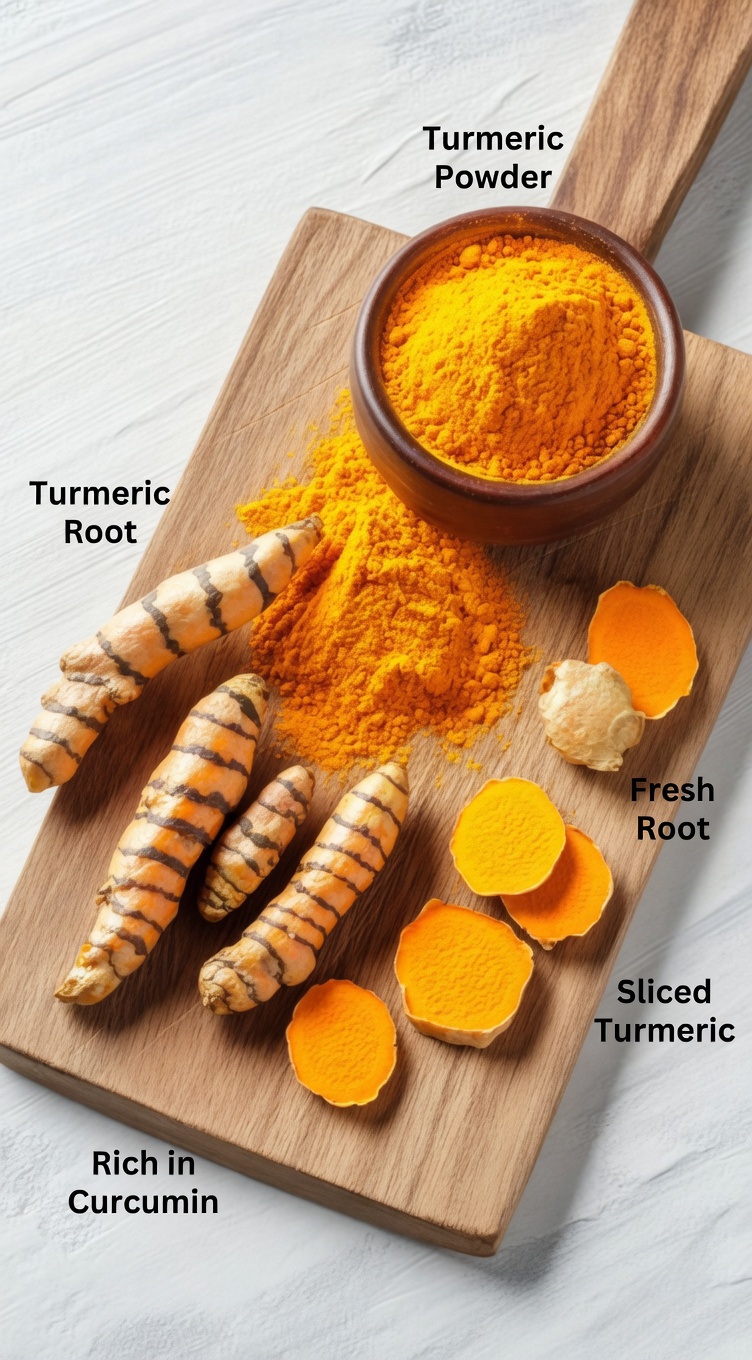
Turmeric comes from the root of the Curcuma longa plant. When dried and ground, it becomes the bright yellow spice widely used in curries and other dishes. The most researched compound in turmeric is curcumin, a natural polyphenol believed to drive many of its health-related benefits.
Curcumin is best known for two major properties:
- Antioxidant support
- Anti-inflammatory effects
These qualities matter because oxidative stress and chronic inflammation can affect cellular health throughout the body. Researchers are especially interested in whether reducing these stressors may also help protect systems involved in hormone production.

What Research Says About Turmeric and Testosterone
Scientific interest in turmeric and testosterone mainly comes from preclinical research. In animal studies, curcumin supplementation has been linked to several positive outcomes, including:
- Higher testosterone levels
- Better testicular function
- Improved semen quality
- Reduced oxidative damage in reproductive tissues
Some studies involving rodents and livestock have also reported improvements in nitric oxide levels and reproductive organ health alongside increased testosterone.
Researchers believe curcumin may help in a few possible ways:
- Protecting cells from oxidative stress
- Supporting enzyme activity involved in hormone production
- Reducing factors that may suppress testosterone synthesis
- Potentially improving the body’s use or availability of testosterone
That said, the most important point is this: human evidence is still limited. A few reviews suggest that plant compounds such as curcumin may have a positive influence on testosterone in men, but current data is not strong enough to make firm claims. Larger, well-designed clinical studies are still needed.
In other words, turmeric shows promise, but it should not be seen as a guaranteed testosterone booster. Its value may lie more in supporting overall wellness in ways that could indirectly benefit hormonal health.
How Turmeric May Help Support Hormonal Balance
There are several reasons curcumin continues to be studied in this area. While much of the evidence is still early, the following mechanisms help explain the interest.
Anti-Inflammatory Effects
Low-grade, long-term inflammation may interfere with normal testosterone production. Curcumin has been shown to influence inflammatory markers, which could help create a healthier internal environment for hormone balance.
Antioxidant Protection
Oxidative stress can damage important cells, including those in the testes. Because curcumin helps neutralize free radicals, it may offer a protective effect for tissues involved in reproductive and hormonal function.
Support for Enzymes and Circulation
Some research suggests curcumin may affect enzymes connected to steroid hormone synthesis. It may also support blood flow in reproductive tissues, which could contribute to better overall function.
Still, these effects can vary widely from person to person. Age, diet, physical activity, sleep quality, and general health all influence how much benefit someone may notice.
Easy Ways to Add Turmeric to Your Daily Routine
One of the biggest advantages of turmeric is how simple it is to use. For most people, adding it to meals is an easy and low-risk way to enjoy its potential benefits.
Here are some practical options to try.
1. Use It in Everyday Cooking
Add ½ to 1 teaspoon of turmeric powder to foods you already eat, such as:
- Soups
- Scrambled eggs
- Roasted vegetables
- Rice dishes
- Lentils or stews
Turmeric has a warm, earthy flavor that blends well with savory meals.
2. Make Golden Milk or Turmeric Tea
For a relaxing evening drink, heat your choice of milk with:
- ½ teaspoon turmeric
- A pinch of black pepper
- Fresh ginger or ginger powder
- A little honey, if desired
Black pepper is especially helpful because it contains piperine, which can increase curcumin absorption dramatically.
3. Add It to a Smoothie
Turmeric can also work well in smoothies. Try blending it with:
- Banana
- Pineapple
- Cinnamon
- Milk or yogurt
This is an easy way to include it in a nutrient-rich breakfast.
A Simple Weekly Turmeric Habit
If you do not want to use turmeric every day, a once-weekly ritual can be an easy alternative.
Try making a concentrated turmeric tonic once a week with:
- 1 to 2 teaspoons turmeric powder
- Warm water
- Lemon juice
- A pinch of black pepper
- A healthy fat such as coconut oil
Sip it slowly, or stir the mixture into a pot of soup or stew. This approach makes turmeric feel intentional and memorable without requiring a daily habit.
For best results, always pair turmeric with either:
- Black pepper, or
- A source of fat, such as oil, milk, or coconut milk
Both can improve curcumin absorption significantly.
Safety Considerations Before Using Turmeric Regularly
In normal food amounts, turmeric is considered safe for most people. However, concentrated supplements or larger doses may cause issues in some cases.
Possible concerns include:
- Mild digestive discomfort
- Interactions with medications, especially blood thinners
- Complications for people with gallbladder conditions
- Concerns for those prone to kidney stones
- Extra caution before surgery
If any of these apply to you, it is best to speak with a healthcare professional before using turmeric in larger amounts.
A smart strategy is to start with a small amount and see how your body responds. In most cases, regular and moderate use matters more than taking very high doses.
Other Health Benefits of Turmeric
Even beyond its possible connection to testosterone, turmeric is associated with a variety of general wellness benefits. Regular use may support:
- Joint comfort and mobility
- Digestive health
- Brain function through anti-inflammatory pathways
- Overall antioxidant defense
These broader benefits make turmeric a valuable addition to a balanced lifestyle, regardless of whether hormonal support is your main goal.
Final Thoughts: Is Turmeric Worth Trying?
Turmeric is a simple, affordable, and flavorful way to support the body’s natural systems, including those connected to hormonal health. While the science on turmeric and testosterone is still developing, the early findings are encouraging enough to make it a worthwhile option for many people.
It is important to stay realistic. No single spice or food will transform hormone levels on its own. But adding turmeric to your routine, whether daily in meals or once a week as a focused wellness habit, can be a practical step in the right direction.
For the best results, combine it with the foundations of good health:
- Regular exercise
- Quality sleep
- Stress control
- A nutrient-dense diet
When used as part of a healthy lifestyle, turmeric may help you feel stronger, more balanced, and more energized at any age.
FAQ
Can turmeric really help support testosterone?
Some animal studies suggest that curcumin may help maintain healthy testosterone levels by reducing inflammation and oxidative stress. However, research in humans is still limited, so turmeric should be viewed as a supportive lifestyle tool rather than a proven testosterone treatment.
What is the best way to take turmeric for absorption?
Turmeric is absorbed much better when combined with black pepper and a source of fat such as oil, milk, or coconut milk. This combination can improve curcumin bioavailability significantly.
Is it better to take turmeric daily or once a week?
For most people, using turmeric in normal cooking amounts every day is safe and effective. A once-weekly higher-intake ritual can also work well if that feels easier to maintain. The best approach is the one you can follow consistently while paying attention to your body’s response.