
This Plant Protein May Support Kidney Health (Without Miracle Claims)
When the topic of kidney health comes up, many people assume they must cut out protein completely.
In reality, the situation is more nuanced: different types of protein affect the kidneys in different ways, and certain plant-based sources may be easier on the kidneys than animal proteins, especially when eaten in appropriate amounts.
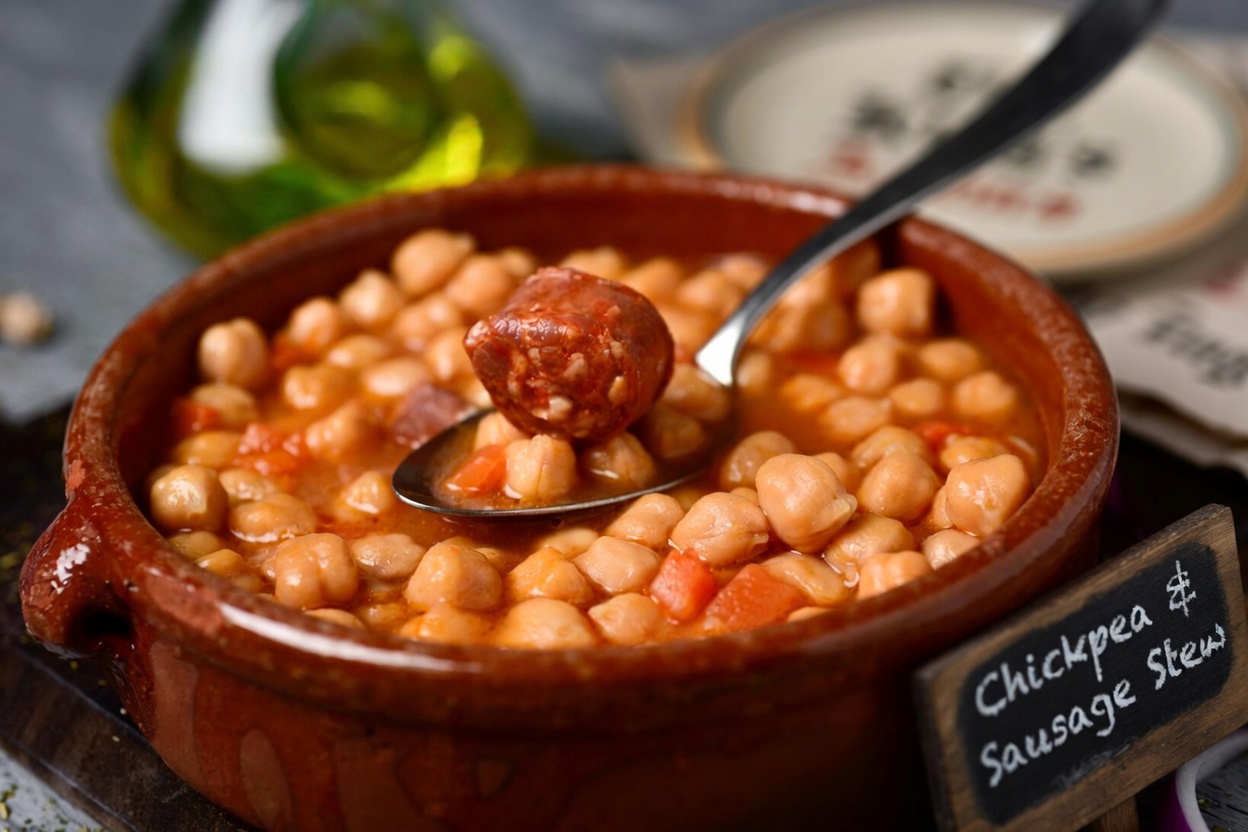
Among the most researched options are proteins from legumes, particularly lentils and chickpeas.

Why Plant Protein Can Be a Gentler Choice
Plant-based proteins offer several potential advantages for kidney health:
- They tend to create a lower acid load compared with red meat.
- They provide dietary fiber, which supports the elimination of waste products through the intestines.
- They contain antioxidants, vitamins, and minerals that support overall health.
- They may help promote more balanced metabolism and better overall dietary quality.
For people with normal kidney function or only mild impairment, replacing part of their animal protein intake with plant protein can help reduce the workload placed on the kidneys.
What About Urea and Creatinine?
Urea and creatinine are natural waste products produced by the body:
- Urea is generated when the body breaks down dietary protein.
- Creatinine is produced from normal muscle wear and tear.
Healthy kidneys filter and remove these substances effectively.
However, in individuals with reduced kidney function, a high intake of animal protein can cause urea and creatinine levels to rise. In contrast, a diet with a greater proportion of plant protein may be less taxing on the kidneys.
Important Clarifications
- No single food “detoxes” or “cleans” the kidneys.
- Kidneys “clean” themselves when they are functioning properly.
How to Add Plant Protein Safely
You can incorporate plant-based protein into your meals in a balanced way:
- Swap red meat for lentils or chickpeas 2–3 times per week.
- Pair legumes with low-sodium vegetables for a more kidney-friendly plate.
- Limit processed meats, cured products, and ultra-processed foods.
- Use salt sparingly when cooking and flavor with herbs and spices instead.
Other Habits That Truly Protect Kidney Health
Beyond protein choices, lifestyle habits play a critical role in kidney protection:
- Keep blood pressure within the target range recommended by your doctor.
- Maintain good blood sugar control if you have diabetes or prediabetes.
- Drink an adequate amount of water, following your healthcare provider’s guidance.
- Avoid self-medicating with painkillers or anti-inflammatory drugs, especially long term.

A Key Warning
If you already have diagnosed chronic kidney disease or kidney failure, the total amount of protein you consume—whether animal or plant-based—must be personalized.
A nephrologist or a dietitian specialized in kidney disease should determine your protein targets, as even plant protein may need to be restricted or adjusted in advanced stages.
Conclusion
Plant proteins such as lentils and chickpeas can be a lighter alternative for the kidneys when included as part of a balanced eating pattern.
They do not cure kidney disease or “clean” the kidneys on their own, but they can be a valuable component of a healthier nutrition strategy that supports overall kidney function alongside medical care and lifestyle changes.