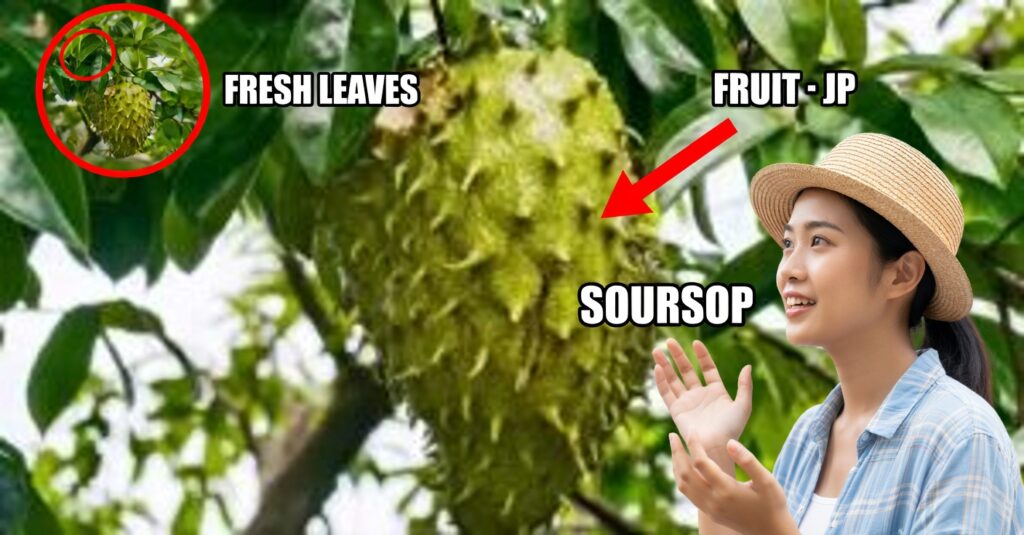
Soursop Leaves: Benefits, Traditional Uses, and Herbal Recipes
Soursop leaves (also known as guanábana leaves) are a cornerstone of traditional herbal practices across Latin America. For generations, they have been valued for their natural content of antioxidant and bioactive compounds, their calming properties, and their overall contribution to well-being.
Within folk medicine, these leaves are commonly used to support digestion, relaxation, circulation, and gentle internal cleansing. In many communities, they are also mentioned as a natural companion in demanding health processes, especially those associated with abnormal cell growth, due to their traditional reputation for antioxidant support.
This guide explores what soursop leaves are, their most commonly cited traditional benefits, how they are prepared, and how people integrate them into herbal teas and home remedies.
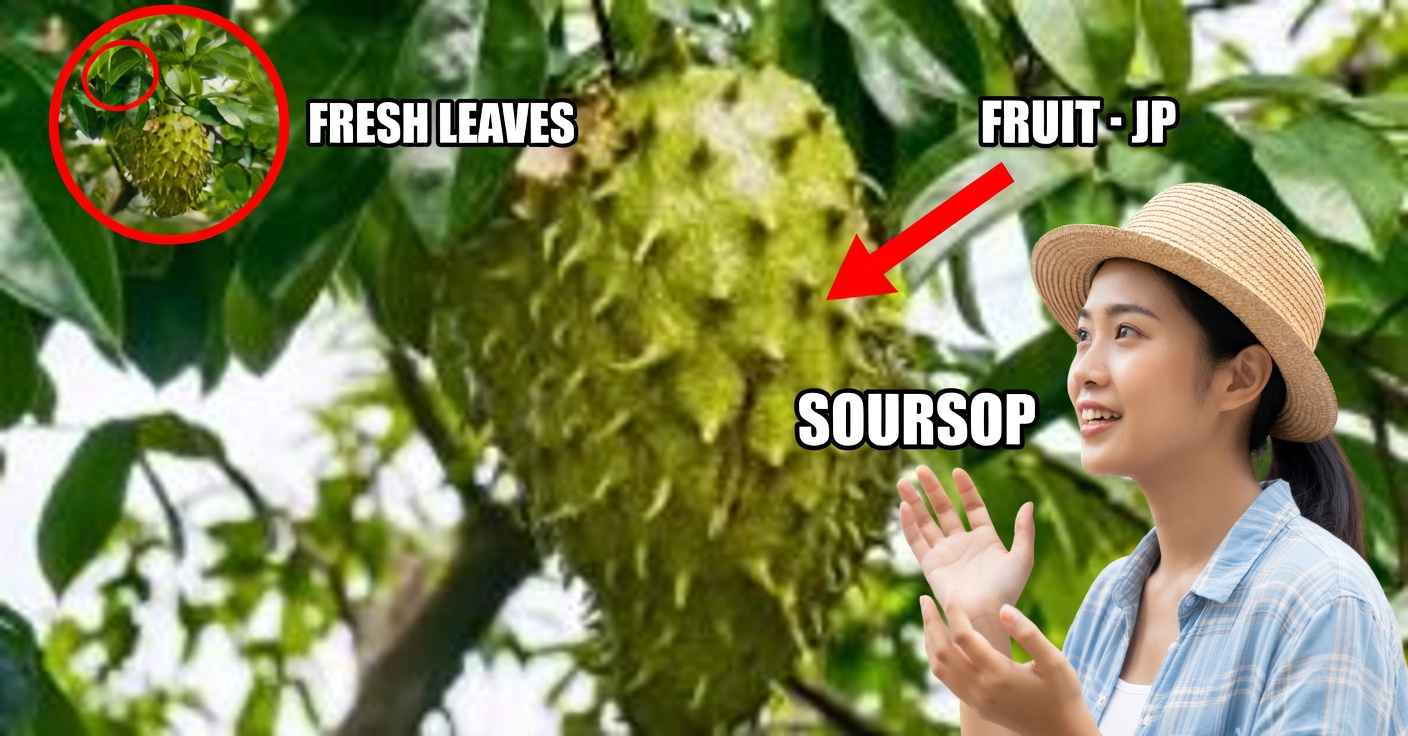
Key Traditional Properties
Although soursop leaves do not replace medical treatments, traditional herbalism attributes several natural properties to this tropical plant.
Antioxidant and Bioactive Compounds
Soursop leaves contain plant compounds that are believed to help protect cells against oxidative stress. In traditional herbal practice, this is interpreted as general support for cellular health and internal balance.
Calming and Relaxing Effect
Many people drink soursop leaf infusions in the evening to unwind, ease tension, and promote more restful sleep.
Digestive Support
Mild teas and decoctions made from the leaves are commonly used to relieve gas and occasional, mild stomach discomfort.
Respiratory Comfort
Warm soursop leaf tea or inhaling its steam is traditionally associated with soothing a scratchy throat and easing minor chest or nasal congestion.
Traditional Companion in Cellular Stress
In natural and folk medicine, soursop leaves are often mentioned as a complementary ally during periods of cellular wear and tear, largely due to their antioxidant-rich profile. While they are not a substitute for professional medical care, they are traditionally considered a way to help strengthen the body and support internal equilibrium during demanding or exhausting processes.
Common Uses of Soursop Leaves
Depending on the region and local customs, soursop leaves are used in several different preparations, including:
- Gentle herbal teas
- Stronger, concentrated infusions
- Homemade syrups
- Steam inhalations (vaporizations)
- “Medicinal water” for sipping throughout the day
- Relaxing baths
They can be used fresh or dried, though fresh leaves tend to offer a more pronounced aroma.
Gentle Soursop Leaf Tea
This is the simplest and most widely used preparation among those who consume soursop leaves.
Ingredients:
- 5 fresh soursop leaves
- 1 cup of water
- Honey or lemon (optional)
Directions:
- Heat the cup of water until it is hot but not at a rolling boil.
- Add the leaves and cover.
- Let steep for about 10 minutes.
- Strain and drink while warm.
Traditional use:
Promoting relaxation and restful sleep.
Concentrated Soursop Leaf Infusion
This stronger infusion is used in folk traditions when a more intense herbal effect is desired.
Ingredients:
- 10–12 soursop leaves
- 3 cups of water
Directions:
- Place the leaves in a pot.
- Bring to a boil and simmer for 12 minutes.
- Turn off the heat and let it steep for another 10 minutes.
- Strain and store in a clean glass jar.
Traditional use:
Digestive comfort and general internal support.
“Medicinal Water” for Daily Hydration
This is a gentle way to consume soursop leaves gradually throughout the day.
Ingredients:
- 12–15 soursop leaves
- 1 liter of water
Directions:
- Rinse the leaves thoroughly.
- Simmer them in water for 15 minutes.
- Allow the liquid to cool.
- Refrigerate and drink in small portions over the course of the day.
Traditional use:
Hydration, sustained energy, and digestive support.
Homemade Natural Soursop Leaf Syrup
This preparation is popular in traditional practices for soothing the throat and providing respiratory comfort.
Ingredients:
- 12 soursop leaves
- 1 cup of water
- 3 tablespoons of honey
- Juice of half a lemon
Directions:
- Boil the leaves in the water for 10 minutes.
- Strain the liquid.
- When the liquid is warm (not hot), mix in the honey and lemon juice.
- Pour into a clean jar and store in the refrigerator.
Traditional use:
Calming throat discomfort.
Soursop Leaf Steam Inhalation
Ingredients:
- 8 soursop leaves
- 1 liter of very hot water
Directions:
- Place the leaves in a heat-resistant bowl or basin.
- Pour the hot water over the leaves.
- Lean over the bowl, keeping a safe distance, and inhale the steam for about 5 minutes.
Traditional use:
Respiratory relief and deep relaxation.
How Traditional Medicine Interprets the Benefits
In popular herbal practice, soursop leaves are associated with a variety of supportive effects:
- Support for the immune system
- Overall sense of well-being
- Gentle internal cleansing
- Physical and mental relaxation
- Steady, sustained energy
- Complementary support in situations of cellular stress, attributed to their antioxidant content
These uses are based on ancestral knowledge and cultural experience passed down through generations.
Important Precautions
- Do not use during pregnancy or breastfeeding.
- Avoid excessive or prolonged consumption.
- Do not use as a replacement for prescribed medical treatments.
- Consult a healthcare professional if you are taking medication or have chronic health conditions.
- Stop using immediately if you notice any adverse reactions or discomfort.
Conclusion
Soursop leaves are among the most emblematic plants in Latin American folk medicine. Their traditional uses focus on rest, digestive support, relaxation, gentle detoxification, and antioxidant-related support. They are also widely regarded as a natural companion during demanding periods for the body, according to popular wisdom.
The recipes are simple, affordable, and easy to incorporate into everyday life for those who appreciate traditional herbal practices—always keeping in mind that they complement, but do not replace, professional medical care.