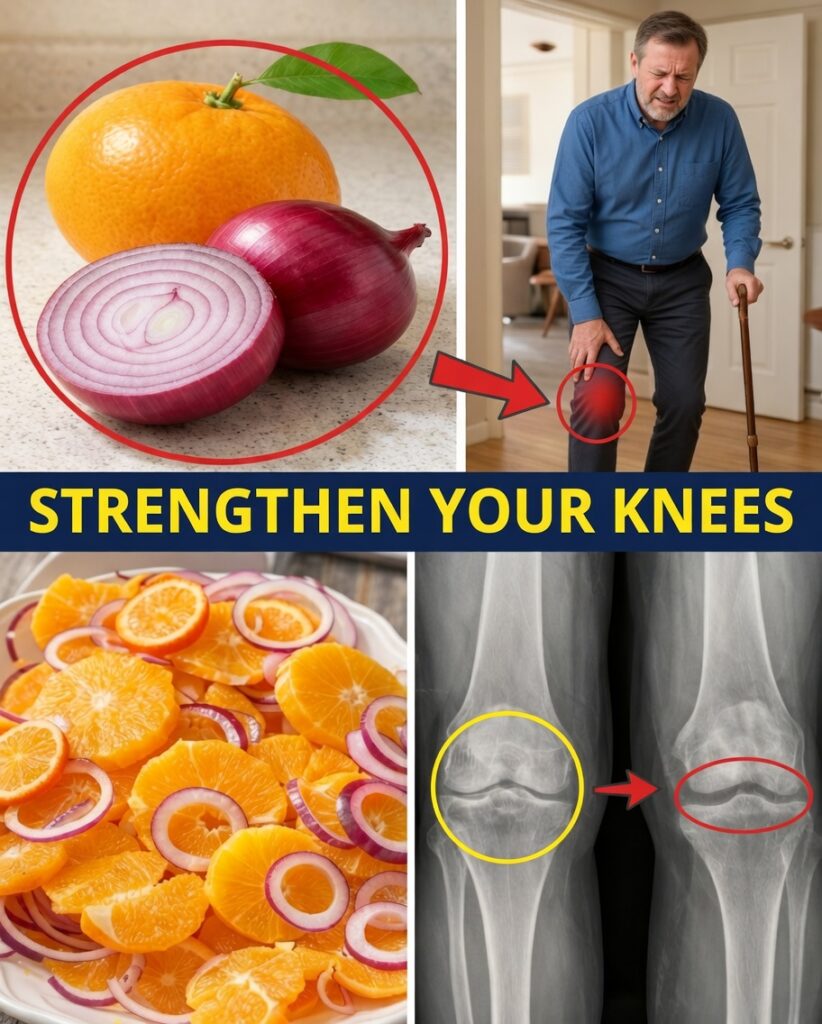
Knee Pain After 40? Natural Ways to Support Cartilage and Restore Mobility
Nearly 1 in 4 adults lives with frequent knee pain—one of the leading reasons people lose mobility and see their quality of life decline. Many notice stiffness when standing up, a sharp twinge when climbing stairs, or the unsettling feeling that the knee might “give out” during everyday tasks.
As the years go by, cartilage gradually wears down, ligaments become less elastic, and the muscles that stabilize the joints can weaken. Add factors like excess weight, a sedentary routine, or simple age-related wear, and minor discomfort can turn into persistent pain that affects work, leisure, and family life.
The issue is that many people rely only on rest or occasional painkillers—approaches that may hide symptoms without addressing the underlying causes.
The encouraging news: research suggests that simple, natural habits—including proper hydration, targeted nutrition, and smart movement—can help support joint strength, reduce discomfort, and preserve mobility for years.
Keep reading to explore 9 practical strategies that can improve the long-term health of your knees.
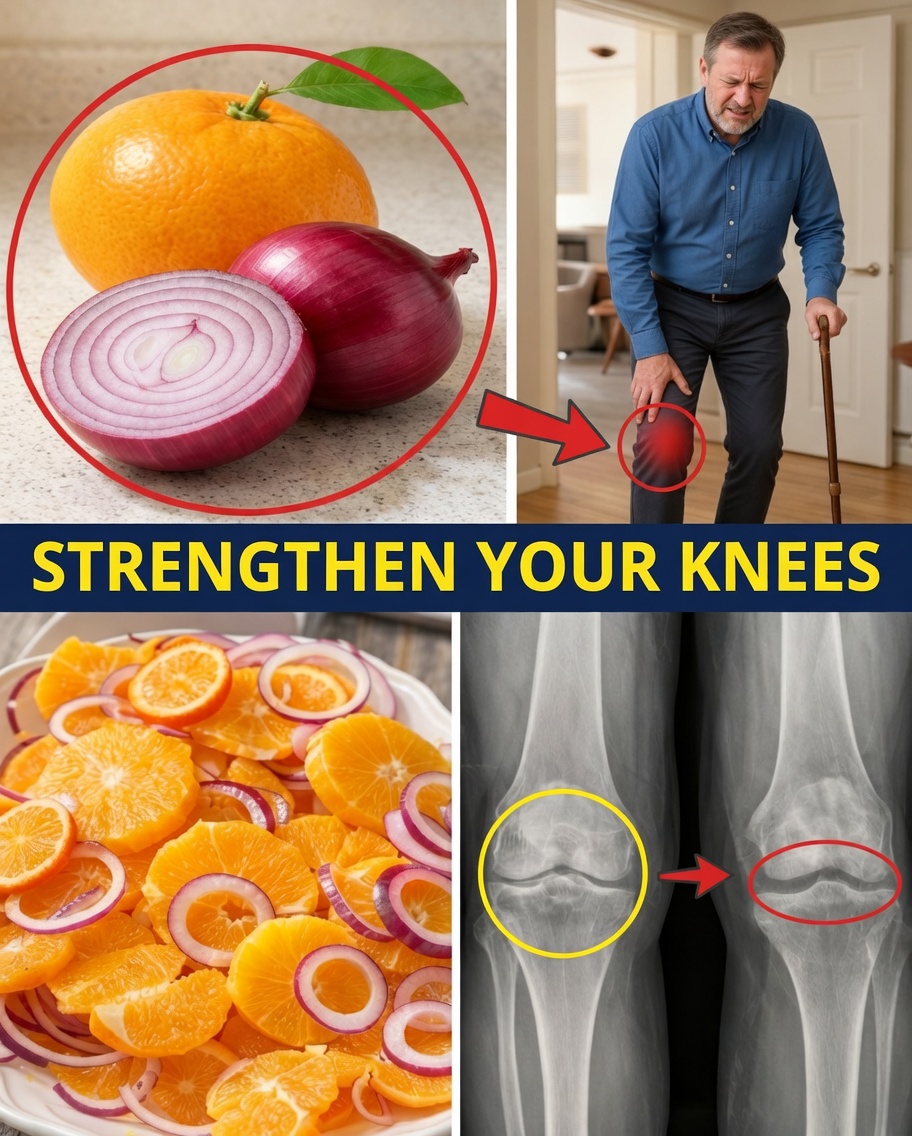
Why Knees Need More Attention After 40
After age 40, normal body changes tend to accelerate. Cartilage can become thinner, ligaments lose some flexibility, and joints carry the cumulative effects of decades of mechanical stress.
Studies report that over 30% of adults experience joint pain or stiffness at least monthly, and knees are often the most affected because they bear a large portion of body weight.
When joint health is neglected, a negative cycle can develop:
- Weaker supporting muscles
- Increased pressure on cartilage
- More joint inflammation
- Higher risk of osteoarthritis
That’s why adopting preventive, natural knee-care habits can make a meaningful difference in mobility as you age.
9 Evidence-Based Strategies to Strengthen Your Knees Naturally
1. Stay Well Hydrated
Cartilage is made up of roughly 70–80% water. Proper hydration supports synovial fluid, the body’s natural joint lubricant.
When you’re dehydrated, synovial fluid may become thicker, which can increase joint friction.
Practical tip: Aim for about 8–10 glasses of water per day, adjusting for climate and activity level.
2. Eat More High-Quality Protein
Protein supplies amino acids needed to produce collagen, a key structural component of cartilage and ligaments.
Good protein sources include:
- Eggs
- Fish
- Chicken
- Beans
- Quinoa
- Lentils
3. Manage Body Weight
Every extra kilogram of body weight can translate into up to four times more pressure on the knees with each step.
Even modest weight loss can reduce joint strain and help ease knee discomfort.
4. Add More Vitamin C
Vitamin C supports collagen formation and helps protect tissues from oxidative stress.
Vitamin C–rich foods include:
- Oranges
- Lemons
- Kiwi
- Bell peppers
- Acerola cherry
- Strawberries
5. Do Strength Training Consistently
Stronger muscles help stabilize the knee and absorb impact. Key muscle groups include:
- Quadriceps
- Hamstrings
- Glutes
Light-to-moderate strength training 2–3 times per week can noticeably improve joint stability.
6. Include Allium Vegetables
Foods such as garlic, onions, and leeks contain sulfur compounds that may help protect cartilage and support a healthier inflammatory response.
7. Eat Omega-3–Rich Fish
Fatty fish such as:
- Salmon
- Sardines
- Mackerel
are rich in omega-3 fatty acids, which are widely associated with supporting joint comfort, reducing inflammation, and improving mobility.
8. Stretch Every Day
Gentle stretching boosts circulation and can help deliver nutrients to joint tissues.
Set aside 10–15 minutes daily to stretch your legs and hips. This may improve flexibility and reduce stiffness over time.
9. Consider Natural Joint Supplements (With Medical Guidance)
Supplements like glucosamine and chondroitin are commonly used to support cartilage health. Some studies suggest they may reduce joint discomfort when taken consistently.
Important: Always consult a healthcare professional before starting any supplement.
The Real “Secret”: Consistency
Results tend to come from combining multiple supportive habits:
- Hydration supports lubrication
- Protein and vitamin C assist tissue rebuilding
- Exercise strengthens stabilizing muscles
- Weight management lowers joint pressure
Many people report improved mobility in around 30 days when they apply consistent lifestyle changes.
Small daily actions can have a powerful impact on your knees in the years ahead.
Medical Disclaimer
This content is for informational purposes only and does not replace medical advice. Consult a qualified healthcare professional before making significant changes to your diet, supplement routine, or exercise program.