After 50, These 11 Foods Can Help Your Body Defend Against Cancer Naturally
As we age—especially after 50—cancer risk tends to feel more personal. A family history, routine screenings, or simply noticing changes in the body can make everyday choices seem more consequential. Research from well-regarded health organizations suggests that roughly 30% to 40% of cancer cases may be linked to modifiable factors, including diet and lifestyle.
A low-quality diet can promote chronic inflammation, oxidative stress, and weight gain—all of which can quietly raise disease risk over time. The encouraging part: small, consistent food upgrades, with an emphasis on whole and plant-forward foods, may help create a less favorable environment for cancer development. Later in this article, you’ll also learn a simple detail many people overlook: pairing certain foods can enhance their benefits.

Why Cancer Risk Often Appears Higher After 50
Around age 50, many people notice subtle shifts: more frequent fatigue, slower recovery, or heightened concern during medical checkups. Cancer rates do increase with age, and excess body weight—which affects a large share of adults—is linked to several cancers, partly through long-term inflammation and hormone-related changes.
With so much information online, it’s easy to get pulled toward quick fixes. In reality, cutting one “bad” food or relying on a single supplement rarely creates lasting protection. The strongest impact usually comes from healthy eating patterns maintained consistently over time.
Common Diet-and-Cancer Myths (and What Science Says)
You may have heard claims like “cancer thrives in an acidic body” or that certain diets can “kill cancer” by changing your body’s pH. These ideas spread widely online, but they lack strong scientific support.
Your body keeps blood pH under tight control, staying around 7.4. No food meaningfully changes blood pH in a way that would prevent or treat cancer.
The more evidence-based message is also more practical: no single food cures or destroys cancer, but diets rich in vegetables, fruits, legumes, and whole grains are consistently associated with a lower risk. These foods provide fiber, antioxidants, and anti-inflammatory compounds that help protect cells from damage.
A Simple Change That Made a Real Difference
Elena, a 62-year-old retired teacher, decided to improve her diet after her mother was diagnosed with cancer. Instead of overhauling everything at once, she made manageable shifts: berries at breakfast, more leafy greens at lunch, and cruciferous vegetables like broccoli and cauliflower at dinner.
After a few months, she reported better energy and stamina, and her routine checkups remained stable. While no story can guarantee outcomes, this reflects a key principle supported by research: small, sustainable changes add up over time.
11 Foods That May Support Cancer Prevention
Studies often highlight certain whole foods because they contain protective compounds. The most important strategy is variety and regular intake, not perfection.
-
Whole grains (oats, quinoa, brown rice)
- High in fiber, supporting gut health and potentially lowering colorectal cancer risk.
-
Legumes (beans, lentils, chickpeas)
- Provide plant protein and fiber, supporting digestion and healthy hormone metabolism.
-
Citrus fruits (oranges, lemons, grapefruit)
- Rich in vitamin C and antioxidants that help defend cells from damage.
-
Nuts (walnuts, almonds)
- Contain healthy fats, minerals like selenium (varies by type), and anti-inflammatory compounds.
-
Dark leafy greens (spinach, kale)
- Packed with vitamins, minerals, and antioxidants that help reduce oxidative stress.
-
Berries (blueberries, strawberries, raspberries)
- Provide anthocyanins, compounds associated with cellular protection.
-
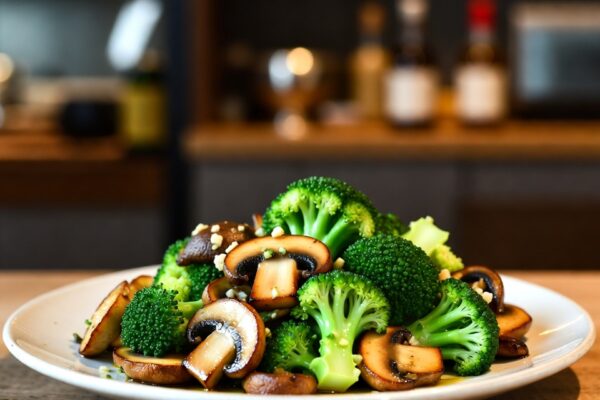
Cruciferous vegetables (broccoli, cauliflower, Brussels sprouts)
- Known for sulforaphane, which supports the body’s detoxification enzymes.
-
Garlic
- Contains sulfur-based compounds that show protective effects in laboratory and population studies.
-
Turmeric
- Its active compound curcumin is widely studied for anti-inflammatory properties.
-
Green tea
- Provides catechins such as EGCG, linked to cellular and DNA-protective effects.
- Tomatoes
- High in lycopene, especially when cooked, and often associated with prostate health.
Special mention: flaxseed
- A strong source of fiber and lignans, which may support healthy hormone balance.
How to Add These Foods to Your Routine (Without Overhauling Everything)
Sustainable progress usually beats dramatic short-term change. Try a step-by-step approach.
Weeks 1–2
- Add berries to breakfast (oatmeal, yogurt, or smoothies).
- Include leafy greens in at least one main meal per day.
Weeks 3–4
- Swap refined grains for whole grains (white rice → brown rice; regular bread → whole grain).
- Eat legumes 3–4 times per week (soups, salads, chili, or as a side dish).
After that
- Rotate a wider variety of vegetables, especially cruciferous vegetables.
- Drink green tea regularly if it fits your routine.
- Cook tomatoes with olive oil to improve lycopene absorption.
Easy tip: Blend spinach or kale into smoothies—it’s one of the simplest ways to increase daily vegetable intake.
The Real Key: Dietary Patterns, Not “Superfoods”
Research consistently shows that your overall eating pattern matters far more than any single “miracle” ingredient. A diet centered on minimally processed, plant-forward foods delivers a powerful mix of fiber, antioxidants, and protective phytonutrients that work together.
Consider how you might feel after 30 days of small upgrades: more steady energy, better balance, and a greater sense of control over your health.
Disclaimer
This content is for informational purposes only and does not replace professional medical advice. Always consult a qualified healthcare professional for personalized guidance on prevention, screening, or any medical condition.