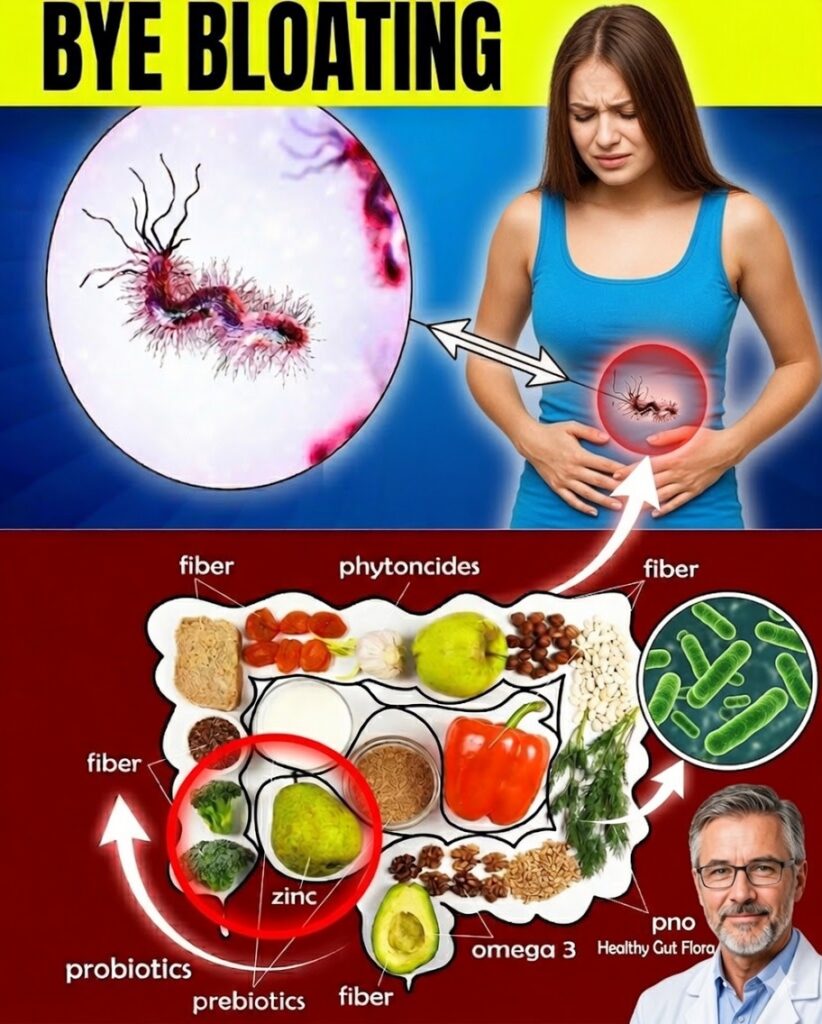
Stomach Discomfort After Every Meal? These 7 Gut-Healing Foods Can Help Calm Inflammation and Improve Digestion Naturally
Feeling bloated, heavy, or uneasy after eating can make even a normal day feel exhausting. You’re not alone—many adults deal with everyday digestive troubles such as gas, sluggish digestion, low energy, or inconsistent bowel movements.
Here’s the encouraging part: better gut health doesn’t always require expensive supplements or extreme eating plans. In many cases, simple, everyday foods can support your digestive system in a powerful way.
If you care about your comfort, energy, and long-term wellness, the foods below may help you start restoring balance—one meal at a time.
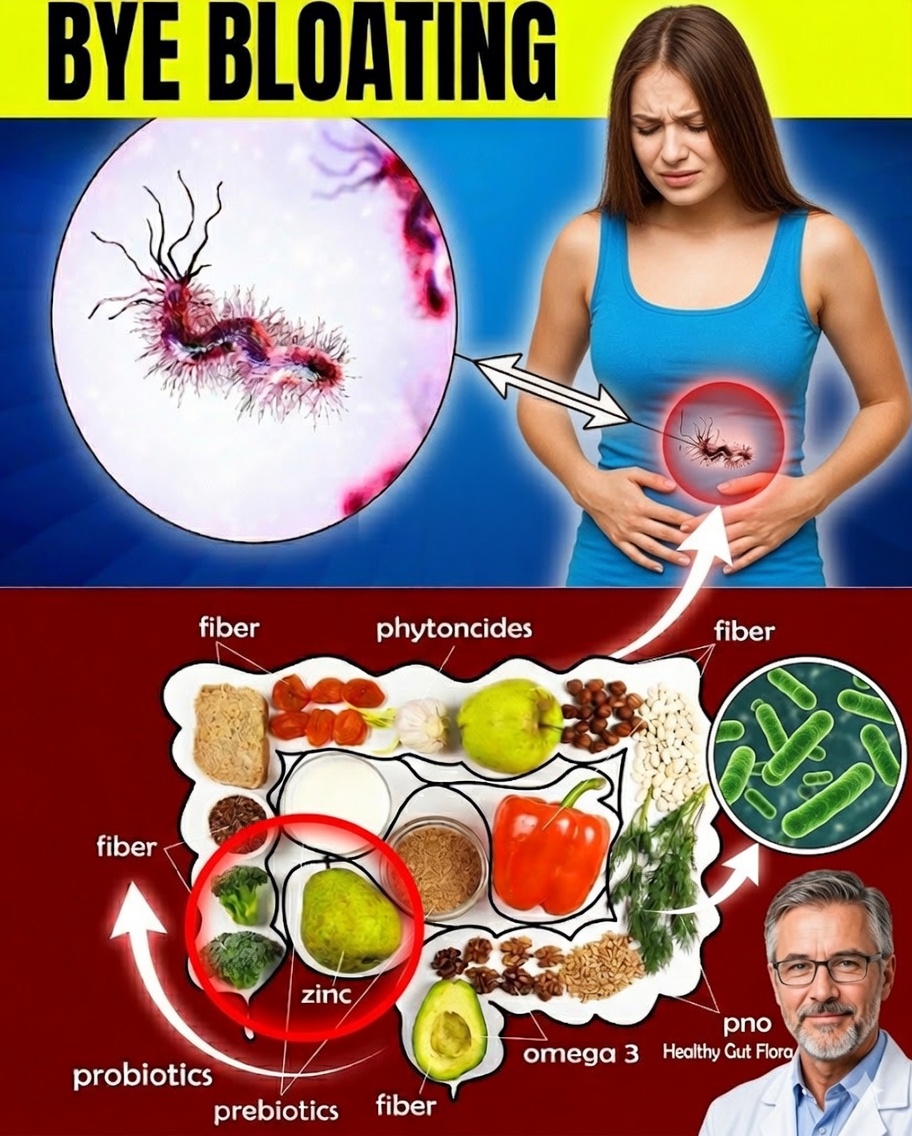
Why Gut Health Matters More Than You Realize
Your gut does far more than process food. A healthy digestive system also plays a role in:
- Immune function
- Mood and mental well-being
- Energy production
- Nutrient absorption
When your gut is out of balance, it can show up as:
- Bloating and gas after meals
- Slow, irregular, or uncomfortable digestion
- Daytime fatigue
- Increased food sensitivities
- Mood changes and irritability
The good news: certain foods contain probiotics, prebiotics, and anti-inflammatory compounds that support healthy gut bacteria and make digestion smoother.
1. Yogurt: A Simple Probiotic Staple
Yogurt is widely known for supporting digestion because it provides probiotics—beneficial bacteria that help maintain a healthier gut microbiome.
Regularly eating plain yogurt may help you:
- Feel less bloated
- Digest meals more comfortably
- Support immune health through gut balance
How to add it:
Have a small serving in the morning or blend it into a smoothie. For the best gut benefits, choose plain, unsweetened yogurt.
2. Kefir: Fermented Support for Gut Balance
Kefir is a fermented milk drink that’s similar to yogurt, but it typically contains a broader range of probiotic strains, which can enhance microbiome diversity.
Potential benefits include:
- More regular digestion
- Improved gut bacteria variety
- Better nutrient absorption
How to add it:
Drink about ½ to 1 cup per day, ideally with breakfast.
3. Sauerkraut: Fermented Cabbage for Digestive Comfort
Sauerkraut is made by fermenting cabbage, creating a food rich in beneficial microbes and digestive enzymes. Fermented vegetables can be especially helpful when digestion feels inflamed or sluggish.
Benefits may include:
- Supporting healthy gut flora
- Reducing digestive discomfort
- Helping the body absorb nutrients more efficiently
How to add it:
Use 1–2 tablespoons as a topping for salads, bowls, or sandwiches.
4. Bananas: A Gentle Prebiotic That Feeds Good Bacteria
Bananas contain prebiotics, a type of fiber that nourishes beneficial gut bacteria. They’re also soft, easy to digest, and generally soothing for the stomach.
Bananas may help:
- Feed healthy gut microbes
- Encourage smoother digestion
- Provide steady, natural energy
How to add it:
Eat one as a snack or blend it into a smoothie.
5. Oats: Fiber-Rich Fuel for Digestive Regularity
Oats contain beta-glucan, a soluble fiber known for supporting gut health and promoting more consistent bowel movements.
Eating oats regularly may support:
- Better digestive movement and regularity
- Healthy cholesterol levels
- Longer-lasting fullness
How to add it:
Enjoy oatmeal in the morning with fruit, nuts, or seeds.
6. Ginger: A Natural Digestive Soother
Ginger has a long history in traditional wellness practices for one main reason: it can help calm the digestive system. Its active compounds may reduce inflammation and support the body’s digestive enzymes.
Ginger may help with:
- Bloating and nausea
- Sluggish digestion
- Stomach discomfort after meals
How to add it:
Steep fresh ginger slices in hot water for ginger tea once or twice daily.
7. Chia Seeds: Hydration + Fiber for a Healthier Gut
Chia seeds may be tiny, but they’re packed with fiber. When soaked, they absorb liquid and form a gel-like texture that can help food move more smoothly through the digestive tract.
Key benefits include:
- High fiber intake for gut health
- Support for regular bowel movements
- Better hydration in the digestive system
How to add it:
Mix 1 tablespoon into yogurt, oatmeal, or smoothies (soaked or unsoaked).
A Simple Daily Gut-Healing Routine (Easy and Realistic)
You don’t need to change everything overnight. Start by adding 1–2 gut-friendly foods per day, such as:
- Breakfast: Oatmeal topped with yogurt and chia seeds
- Lunch: Salad with a spoonful of sauerkraut
- Snack: Banana smoothie made with kefir
- Evening: Warm ginger tea to settle digestion
Small, consistent habits can gradually improve gut balance, digestion, and daily energy.
A Gentle Reminder
Natural foods can strongly support digestive health, but everyone’s body responds differently. If your symptoms are persistent, severe, or worsening, it’s important to speak with a qualified healthcare professional.
Final Thoughts
Picture yourself 30 days from now feeling lighter, more energized, and more comfortable after meals. Often, real health improvements begin with simple food choices—not complicated rules.
Choose just one of these gut-healing foods to start today, and let your digestive system benefit from steady, natural support.