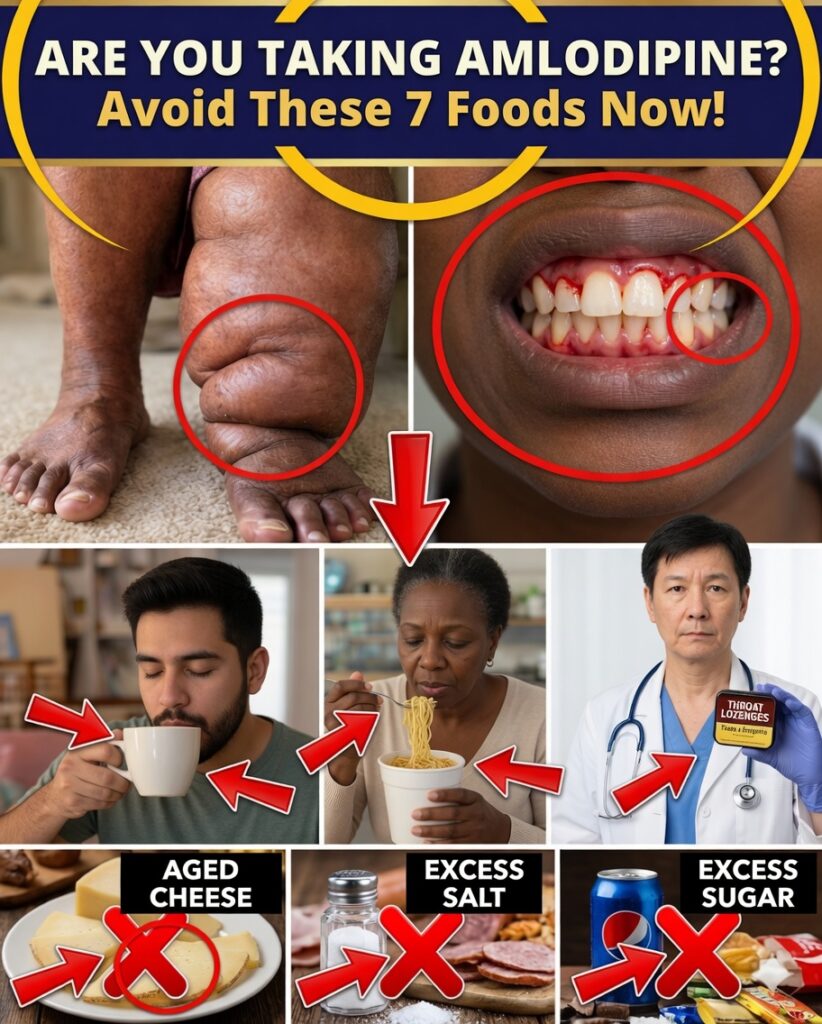
Feeling Dizzy or Swollen on Amlodipine? Your Diet May Be Making It Worse—Here’s How to Ease Symptoms Naturally
If you take amlodipine to manage high blood pressure, you may have noticed frustrating side effects such as ankle swelling (edema), dizziness, facial flushing, or ongoing headaches. These symptoms can show up even when you follow your prescription correctly—and they can make everyday life feel heavier than it should.
What many people overlook is that common foods and drinks can amplify amlodipine side effects, either by changing how your body processes the medication or by increasing fluid retention and affecting blood vessel response.
The encouraging news: small, practical dietary adjustments can often help reduce discomfort—without changing your medication. Below are the 7 most common food triggers and simple swaps that support better day-to-day control.
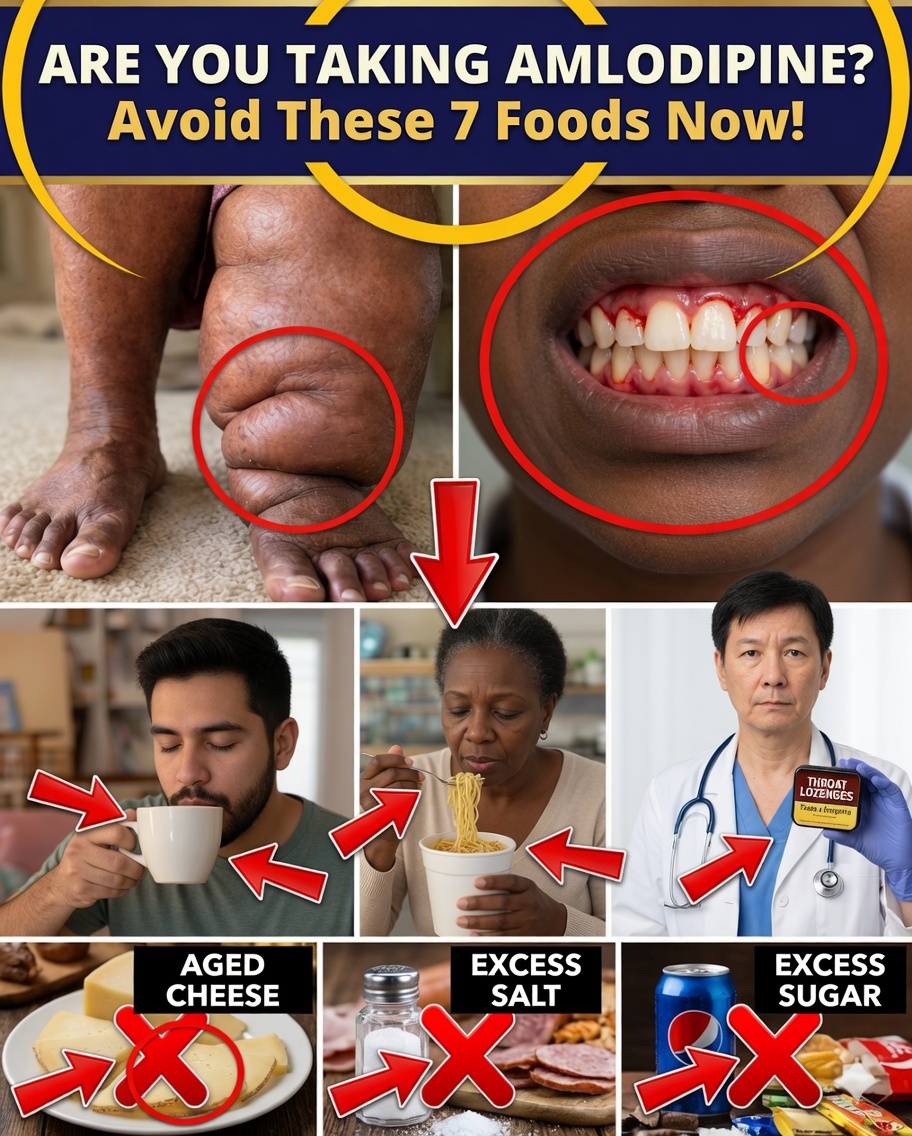
Amlodipine and Nutrition: Why Food Choices Matter
Amlodipine is a widely used calcium channel blocker that works by relaxing blood vessels, helping lower blood pressure. However, its effects can be influenced by what you eat and drink.
- Some foods affect liver enzymes involved in medication metabolism.
- Others increase water and sodium retention, which can worsen swelling.
- Certain drinks may intensify blood vessel dilation, increasing lightheadedness.
Instead of strict “forbidden foods,” the key is awareness and moderation, especially if you notice side effects regularly.
7 Foods That Can Make Amlodipine Side Effects Worse (and What to Choose Instead)
1. Grapefruit (and Grapefruit Juice)
Grapefruit can interfere with enzymes that help metabolize amlodipine, potentially raising medication levels in the bloodstream. This may lead to stronger side effects such as dizziness, swelling, and headaches.
- Swap with: oranges, lemons, mandarins, or berries
2. High-Sodium Foods
Too much sodium encourages fluid retention, which can make leg and ankle swelling more noticeable—especially for people already prone to edema on amlodipine.
- Swap with: fresh foods, and seasoning with garlic, herbs, spices, and lemon instead of extra salt
3. Alcohol
Alcohol also dilates blood vessels. When combined with amlodipine, it may contribute to excessive blood pressure drops, causing dizziness, weakness, or faintness.
- Swap with: sparkling water, unsweetened herbal teas, or alcohol-free beverages
4. Licorice (Especially Black Licorice)
Licorice contains compounds that can increase sodium retention and lower potassium, which may worsen swelling and strain fluid balance.
- Swap with: peppermint, ginger, or chamomile tea
5. Very Fatty Meals
Heavy, high-fat meals may affect how your body absorbs medication and how you feel afterward, sometimes contributing to delayed dizziness or sluggishness.
- Swap with: lighter meals—grilled, baked, or steamed options
6. Too Much Caffeine
Excess caffeine may temporarily raise heart rate and blood pressure, potentially working against the desired blood-pressure-lowering effect and increasing discomfort for some people.
- Swap with: decaffeinated coffee or calming teas
7. Ultra-Processed Foods
Ultra-processed products are often high in sodium, added sugars, and additives, which can burden the body and increase the likelihood of bloating and swelling.
- Swap with: whole foods and home-prepared meals using fresh ingredients
Quick Swap Guide (At a Glance)
- Grapefruit juice → orange juice or berry-based drinks
- Salty snacks → lower-sodium options or whole-food snacks
- Alcohol → herbal tea or infused water
- Licorice → peppermint or ginger
- Fried foods → grilled or steamed meals
- Energy drinks → natural, low-caffeine beverages
- Packaged processed foods → fresh ingredients and simple cooking
Practical Tips to Feel Better Faster
- Track what you eat for a few days and note when symptoms appear
- Look for patterns between certain foods and swelling or dizziness
- Make changes gradually (try replacing 1–2 items at a time)
- Drink enough water to support fluid balance
- Write down how you feel daily to spot improvements
Many people notice a meaningful difference after a few weeks of consistent adjustments.
Conclusion
Living with amlodipine side effects doesn’t have to feel constant. With smart dietary choices, it may be possible to reduce swelling, dizziness, and general discomfort while helping your body respond more smoothly to treatment. Supporting your medication with the right foods can improve both blood pressure management and overall quality of life.
Frequently Asked Questions
Can I have grapefruit occasionally while taking amlodipine?
Even small amounts may interfere for some people. If you notice symptoms, it’s best to avoid grapefruit and grapefruit juice.
Does alcohol always make side effects worse?
Not always, but it can increase dizziness and weakness—especially if it lowers blood pressure too much. Moderation is important.
Can diet alone eliminate amlodipine side effects?
Diet can help significantly, but it does not replace medical guidance. Ongoing monitoring and professional care remain essential.
Disclaimer: This article is for informational purposes only and does not replace medical advice. Always consult a qualified healthcare professional before making changes to your diet or treatment plan.