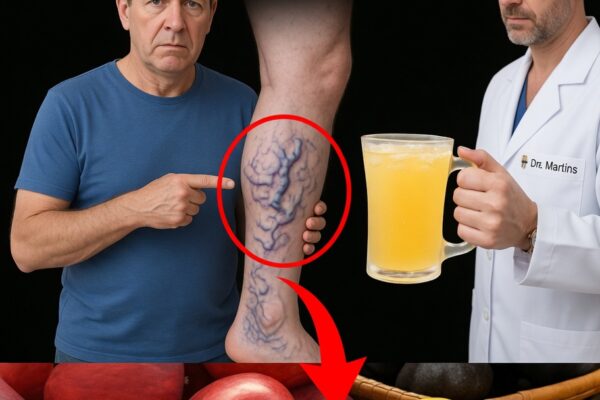
Venous Insufficiency and Varicose Veins: 10 Plants That May Support Circulation
Venous insufficiency and varicose veins affect millions of people worldwide and often lead to leg pain, heaviness, swelling, and fatigue. While medical treatments are available, certain medicinal plants are traditionally used to help support blood flow, tone veins, protect blood vessels, and ease discomfort.
Below are 10 herbs and plants commonly associated with venotonic, anti-inflammatory, and vasoprotective effects.
1. Horse Chestnut (Aesculus hippocastanum)
A well-known natural venotonic, often used to help reduce swelling, improve venous elasticity, and relieve heavy legs.
How to use: capsules, liquid extracts, or topical creams.

2. Red Vine / Red Grape Vine (leaves and seeds)
Naturally rich in flavonoids, which may help strengthen capillaries and support healthy circulation.
How to use: herbal tea (infusion) or standardized supplements.
3. Witch Hazel (Hamamelis)
Known for anti-inflammatory and vasoconstrictive properties, often used to calm pain, irritation, and itching linked to varicose veins.
How to use: infusion or cold compresses applied to the skin.
4. Butcher’s Broom (Ruscus aculeatus)
Traditionally used to promote venous return and reduce the sensation of tired, heavy legs.
How to use: capsules or topical gel.
5. Ginkgo biloba
Supports microcirculation, which may be especially relevant for lower extremities.
How to use: capsules or liquid drops.
6. Arnica
Commonly applied to help soothe inflammation and soreness and to support the natural fading of bruising.
How to use: ointment or gel, external use only.
7. Rosemary (Rosmarinus officinalis)
A traditional circulatory stimulant with anti-inflammatory benefits that may help ease discomfort in the legs.
How to use: tea (infusion), massage oil blends, or foot baths.
8. Horsetail (Equisetum arvense)
Often valued for diuretic and vascular-toning effects—potentially helpful for fluid retention and swelling.
How to use: daily infusion or supplements.
9. Chamomile (Matricaria chamomilla)
A gentle option often used to calm inflammation and reduce the feeling of leg heaviness.
How to use: cold compresses or foot baths.
10. Aloe Vera
Known for being cooling, moisturizing, and soothing, aloe vera may help improve skin comfort in areas affected by varicose veins.
How to use: apply natural gel directly to the area.
Supportive Habits That Can Make a Difference
Alongside herbal options, these everyday strategies may help reduce symptoms:
- Elevate your legs for about 15 minutes each day.
- Avoid staying standing or sitting for long periods without moving.
- Wear compression stockings if recommended by your doctor.
- Follow a diet rich in fiber and antioxidants to support vascular health.
Important Note
This article is for informational purposes only and is not medical advice. Always consult a qualified healthcare professional before using medicinal herbs, especially if you are taking medications, are pregnant or breastfeeding, or have chronic health conditions.