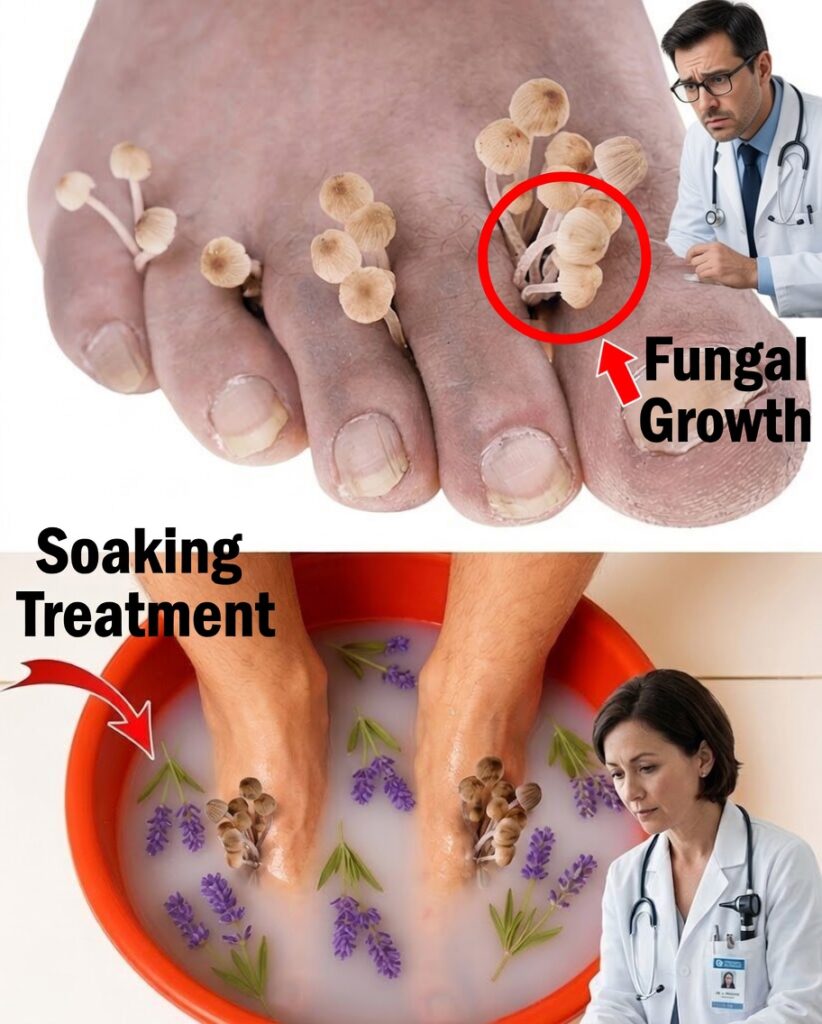
A Simple Epsom Salt Foot Soak for Pain, Swelling, and Foot Irritation
Sore feet after a long day? Dealing with swelling, aching joints, fatigue, or persistent itching that makes walking feel like work? Many adults over 35 live with this kind of daily discomfort and chalk it up to “just getting older.”
But a short, easy routine may help you feel better: an Epsom salt foot soak. In as little as 5 minutes, this warm mineral bath can support relaxation, ease tension, and promote healthier-looking, more comfortable feet—without complicated steps or expensive products.
Epsom salt soaks have been part of traditional wellness routines for generations. They’re simple, affordable, and easy to do at home. Below is how they work, the potential benefits, and the best way to use them.
Why Epsom Salt May Help
Epsom salt is magnesium sulfate, a mineral compound commonly used in natural self-care. Magnesium is widely recognized for its role in:
- Muscle relaxation
- Nerve function support
- Helping the body maintain a healthy inflammation response
When Epsom salt dissolves in warm water, it creates a soothing soak that can relax overworked muscles while also softening rough, dry skin. Many people notice their feet feel lighter and less tense after only a few minutes.
Benefits of an Epsom Salt Foot Soak
1. May Help Calm Inflammation-Related Discomfort
Swelling and stiffness are often linked to inflammation. A warm soak with magnesium sulfate may support the body’s natural balance—especially after long hours on your feet.
2. Supports Relief for Tired, Achy Muscles
Warm water plus magnesium can help loosen tight areas and reduce the “end-of-day” soreness in the feet, calves, or even the lower back.
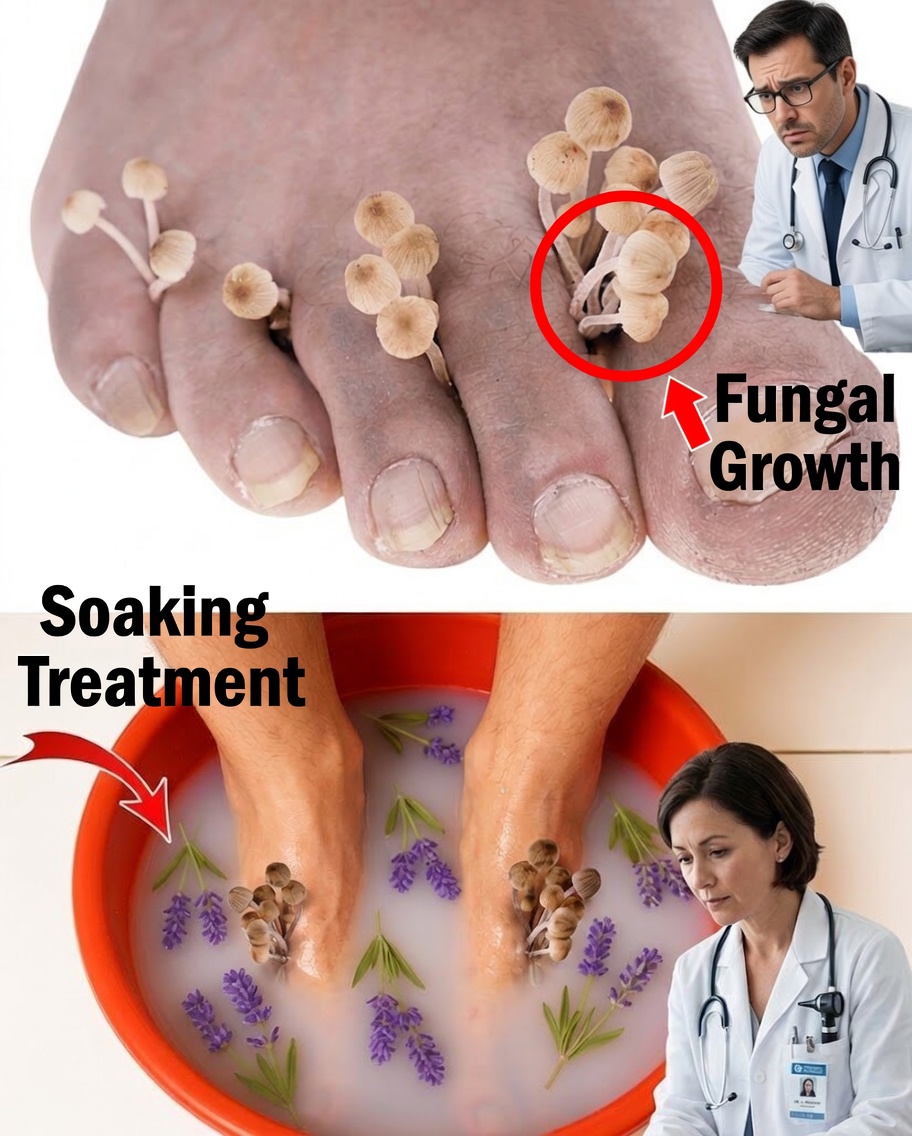
3. Helps with Foot Odor and a Fungus-Unfriendly Environment
An Epsom salt soak may help dry excess moisture and cleanse the skin—conditions that can make feet less inviting for fungal issues. Many people also find it helps reduce odor.
4. May Reduce the Feeling of Heavy, Swollen Feet
If your feet frequently feel puffy or uncomfortable, soaking may promote comfort by helping the feet feel less congested and more relaxed.
5. Encourages Healthy Circulation
Warm foot baths naturally support blood flow in the feet and lower legs, helping tissues receive oxygen and nutrients more efficiently.
6. Promotes Deep Relaxation (Especially at Night)
Magnesium is often associated with calm and relaxation. A brief soak in the evening can help your nervous system wind down and support better sleep readiness.
7. May Soothe Occasional Muscle Cramps
Because magnesium supports normal muscle function, soaking may ease occasional cramping or tightness in the feet and lower legs.
8. Supports Softer, Smoother Skin
Epsom salt can act as a gentle exfoliant, helping soften dry patches and rough heels over time.
9. Traditional “Detox” Support
In many traditional wellness approaches, mineral baths are used to support the body’s natural cleansing processes through the skin. While experiences vary, many people enjoy the refreshed feeling afterward.
How to Make an Epsom Salt Foot Soak (Step-by-Step)
What You’ll Need
- 2 cups Epsom salt
- Warm water (comfortably warm, not hot)
- A basin large enough for both feet
Optional Add-Ins
- 5 drops lavender essential oil (for relaxation)
- 3 drops tea tree oil (for extra cleansing support)
Directions
- Fill the basin with warm water.
- Add 2 cups of Epsom salt, stirring until fully dissolved.
- Soak your feet for 5–15 minutes.
- Sit back and let your feet and lower legs relax.
- Dry your feet thoroughly, especially between the toes.
Best schedule: Use this soak 2–3 times per week, or anytime after extended standing, travel, or strenuous activity.
Tips to Get Better Results
- Try soaking in the evening to help your body unwind before bed.
- Keep the water warm, not scalding.
- After drying, apply a moisturizer like coconut oil or shea butter to lock in softness.
- Drink water afterward to support overall hydration and recovery.
Safety Notes
Epsom salt foot soaks are generally safe for most people, but use extra caution if you have specific health concerns.
- If you have diabetes, poor circulation, neuropathy, or open sores, talk with a healthcare professional before soaking your feet.
- Avoid very hot water, which can irritate skin or worsen swelling for some people.
- Stop using the soak if you notice burning, redness, or irritation.
Natural remedies can support wellness, but ongoing pain, significant swelling, or signs of infection should always be assessed by a qualified healthcare provider.
Final Thought
Sometimes the most effective self-care habits are the easiest to maintain. A short Epsom salt soak can become a calming ritual that supports foot comfort, relaxation, circulation, and skin health.
Consider trying it tonight—your feet may feel the difference sooner than you expect.