Big belly, constant fatigue, and heavy digestion can feel “normal” in a busy life—but they may also be early clues that your liver is under stress. Learn which natural, everyday foods can help support liver recovery and long-term function.
Many people brush off persistent tiredness, stubborn abdominal fat, or a mild ache on the upper right side of the abdomen. It’s easy to blame stress, poor sleep, or aging. Yet these seemingly minor changes can sometimes point to a quiet issue developing inside the body: fatty liver.
Fatty liver happens when excess fat builds up inside liver cells—a problem now affecting millions worldwide and often linked to modern lifestyle patterns. The tricky part is that it can progress for years with few (or no) obvious symptoms. The encouraging news: spotting early signs and making small adjustments to diet and daily habits can reduce liver overload and support healing over time.
Even better, modest changes to your routine can make a bigger difference than you might expect. Below are commonly ignored warning signs and practical, research-supported foods that can promote liver health.
What Is Fatty Liver (MASLD) and Why Does It Matter?
What many people call “fatty liver” is now often referred to in medical terms as Metabolic Dysfunction–Associated Steatotic Liver Disease (MASLD). In simple terms, it means too much fat stored in the liver, commonly associated with:
- Excess body weight
- Insulin resistance
- Metabolic imbalance (such as elevated blood sugar or abnormal lipids)
In early stages, fatty liver can often improve significantly with lifestyle changes. The main challenge is that it may remain silent for a long time, which is why noticing subtle, persistent signals from your body matters.
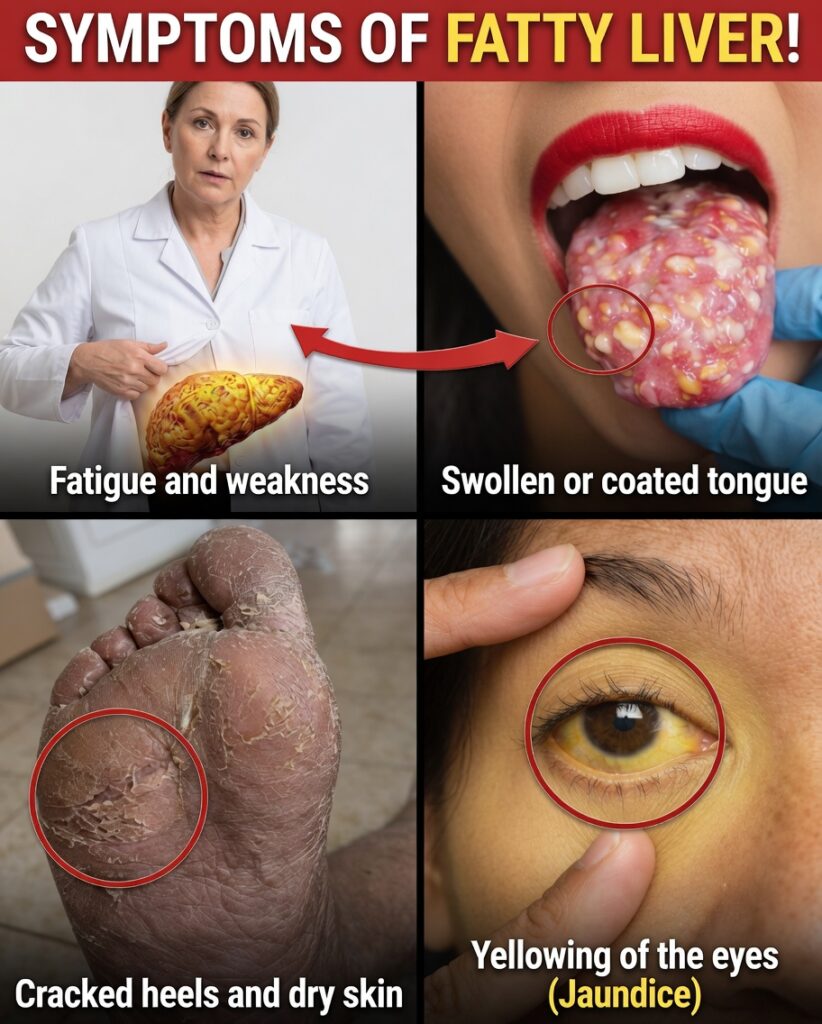
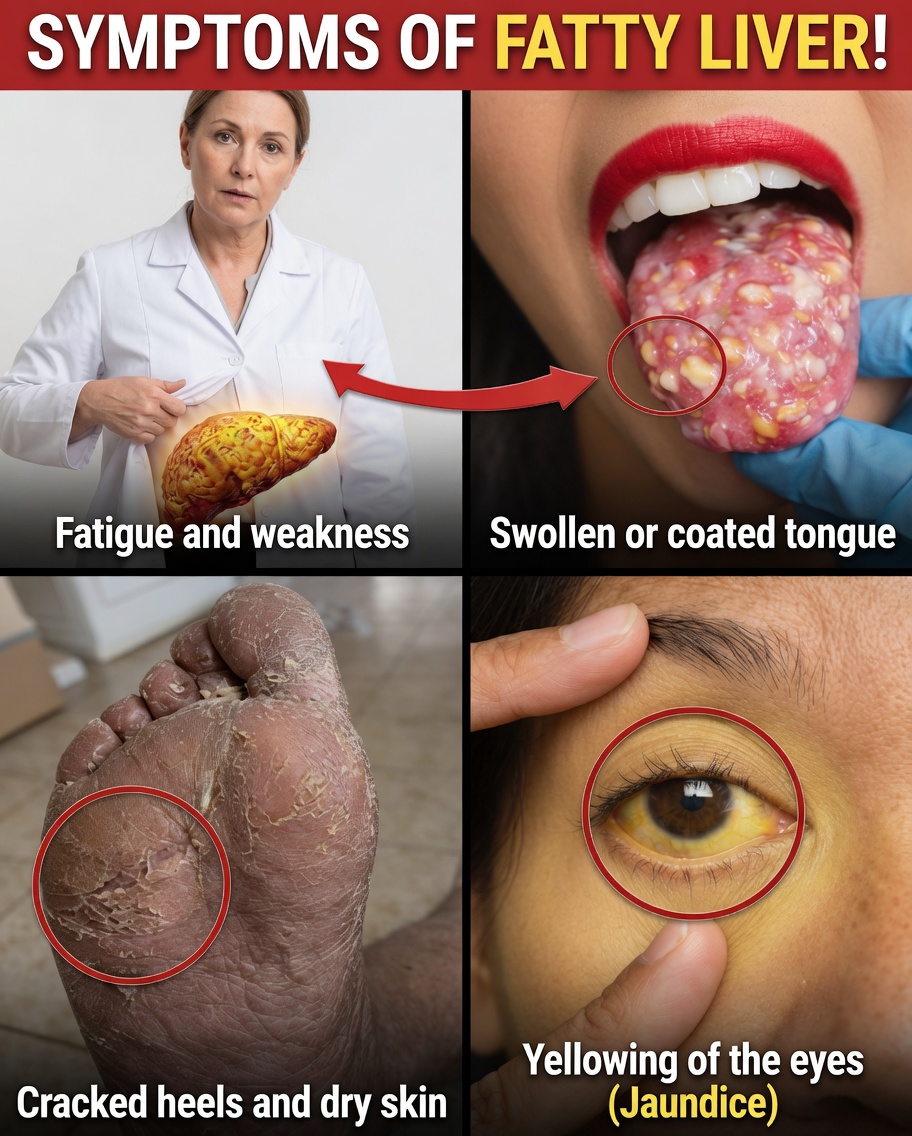
14 Possible Signs of Fatty Liver
These symptoms are not unique to fatty liver. However, if several appear together—or if they persist—it’s wise to seek medical guidance.
Common Signs Many People Overlook
-
Ongoing fatigue—even after a full night’s sleep
A lingering sense that your body never fully recharges. -
Stubborn belly fat
A “persistent belly” that doesn’t respond easily to diet or exercise. -
Mild discomfort in the upper right abdomen
Pressure or dull pain, especially after meals. -
Brain fog or trouble focusing
Slower thinking, poor concentration, or mental “cloudiness.” -
Unexplained itchy skin
Often noticeable on hands or feet, sometimes worse at night. -
Bloating after small meals
Feeling overly full, heavy, or sluggish after eating. -
Mild nausea after fatty foods
Discomfort that shows up more after high-fat meals.
Less Common—but Still Important—Symptoms
-
Easy bruising
The liver is involved in producing clotting factors. -
Darker urine than usual
-
Very pale or clay-colored stools
-
Getting full unusually fast
A reduced appetite or early satiety.
Signs That Require Prompt Medical Attention
-
Persistent abdominal swelling
-
Yellowing of the skin or eyes (jaundice)
-
Confusion or extreme sleepiness
These can signal more serious liver dysfunction.
Many people only discover fatty liver through routine bloodwork or imaging. Paying attention to patterns—especially symptoms that don’t go away—can help you act earlier.
Everyday Foods That Can Support Liver Health
No single food “cures” liver disease on its own. Still, research suggests that certain foods may help by reducing inflammation, improving liver enzyme markers, and supporting healthier metabolism.
A diet pattern similar to the Mediterranean diet is frequently linked with better liver-related outcomes.
Helpful Food Options to Add More Often
-
Extra virgin olive oil
A source of healthy fats and antioxidants that may support fat metabolism. -
Coffee (in moderation)
Studies have associated moderate coffee intake with improved liver enzyme levels. -
Green tea
Contains catechins—antioxidant compounds that can support metabolic function. -
Cruciferous vegetables
Including broccoli, cauliflower, and Brussels sprouts; rich in fiber and compounds that support natural detox pathways. -
Garlic and onions
Provide sulfur-containing compounds that may benefit metabolic health. -
Omega-3–rich fish
Such as salmon, sardines, and mackerel; may help lower inflammation. -
Whole grains
Oats and quinoa can support steadier blood sugar levels. -
Berries and citrus fruits
Good sources of vitamin C and protective antioxidants.
Small Daily Changes That Can Create Big Results
You don’t need to overhaul your life overnight. Start with a few realistic steps:
- Aim to lose 5–10% of body weight if you’re overweight
- Build balanced plates: half vegetables, plus lean protein and whole grains
- Walk 20–30 minutes per day
- Prioritize quality sleep and stay well-hydrated
- Cut back on added sugar and ultra-processed foods
Within a few weeks, many people notice improvements in energy, digestion, and overall well-being.
Conclusion
Fatty liver rarely announces itself dramatically at the beginning—it tends to send quiet, easy-to-ignore signals. Instead of dismissing them, treat them as a reason to take better care of your body.
With simple dietary upgrades, healthier daily habits, and medical follow-up when needed, you can support liver function and protect long-term quality of life.
Start today with one small change on your plate. Your liver—and your entire body—may benefit for years to come.
Disclaimer
This article is for informational purposes only and does not replace medical advice. Always consult a qualified healthcare professional before making changes to your diet or lifestyle, especially if you have symptoms or medical conditions.