How Your Calf Muscles Drive Blood Back to the Heart
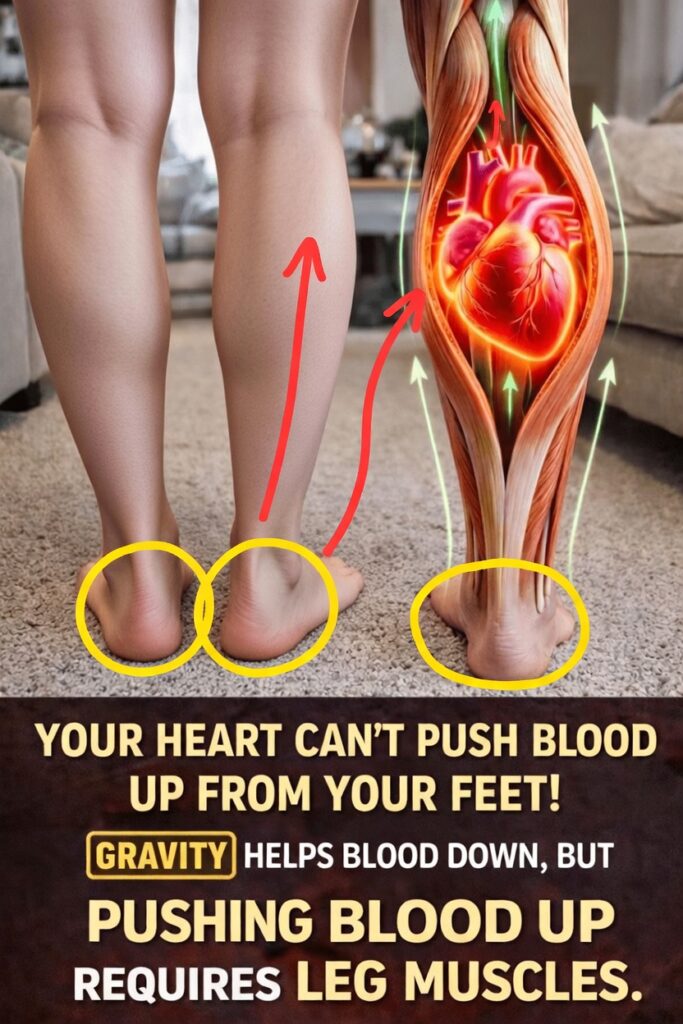
Blood rich in oxygen travels down from your heart through the arteries with help from gravity. The return trip is much tougher. Deoxygenated blood in the veins has to move upward from your feet and lower legs against gravity all the way back to the heart.
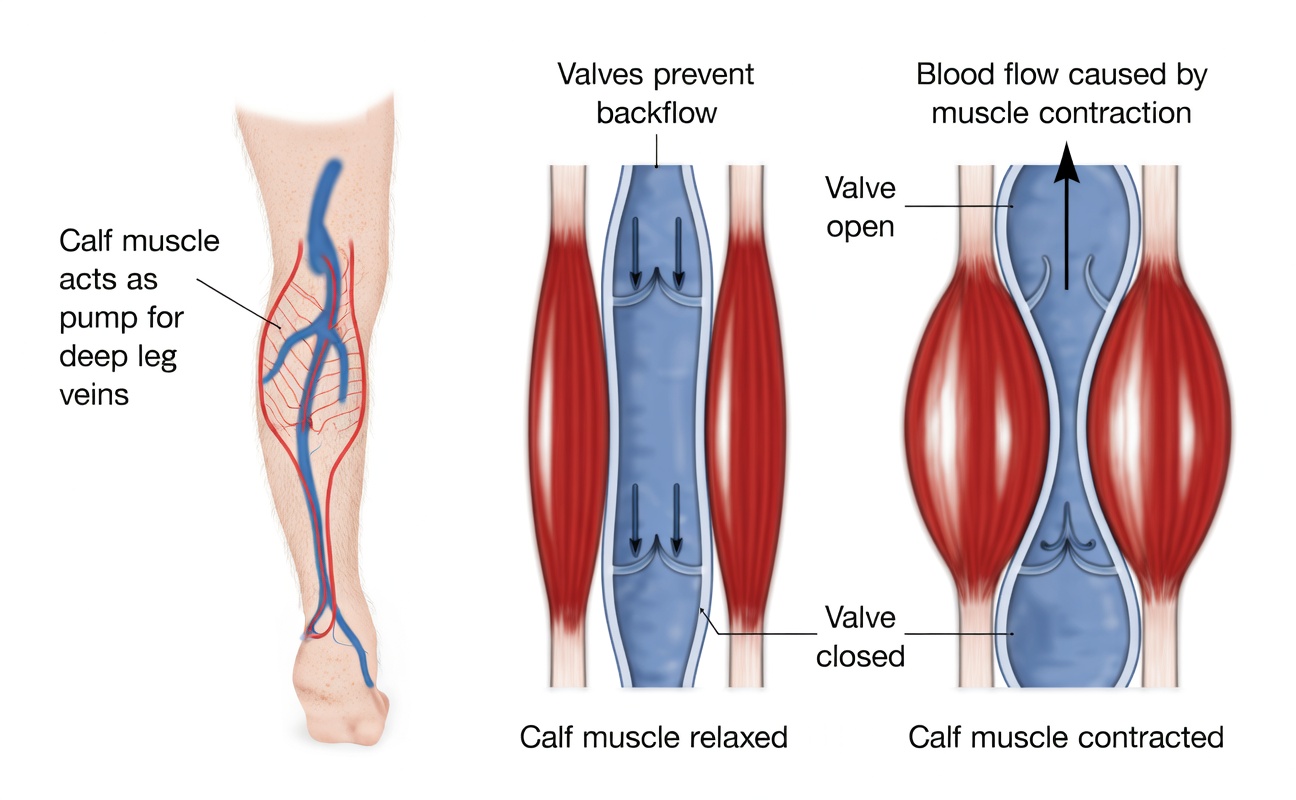
This is where your calf muscles become essential. The gastrocnemius and soleus—the two primary muscles in the calf—function like a built-in “venous pump.” Every time they contract during activities such as walking, standing, or climbing stairs, they squeeze the deep veins in the lower leg. One-way valves inside the veins keep blood from flowing backward, so each squeeze pushes blood upward toward the heart.
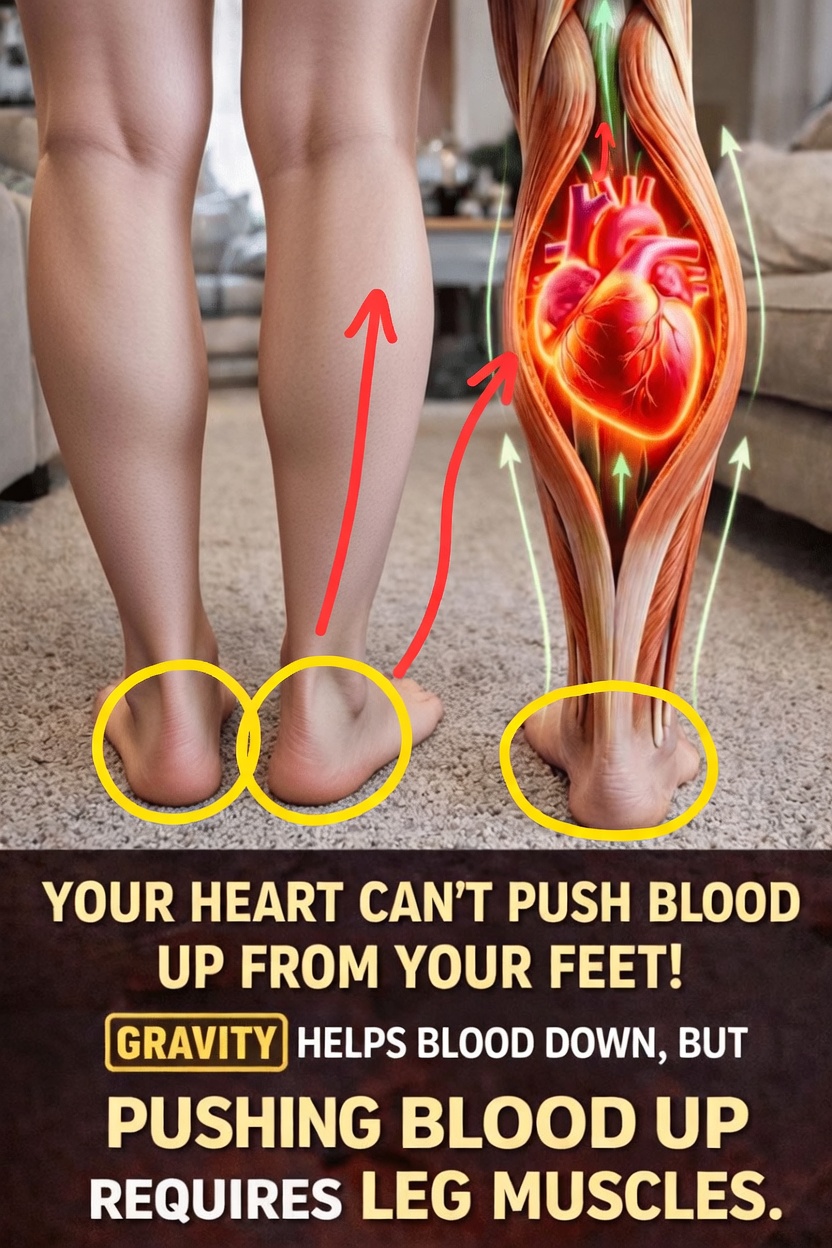
Research on venous return shows that this skeletal muscle pump is a major contributor to healthy circulation, especially during movement. When the calves are not contracting regularly, blood can stagnate in the lower legs, which may cause discomfort, feelings of heaviness, or less efficient blood flow.
How Sedentary Habits Disrupt Leg Circulation
Long periods of sitting or general inactivity significantly reduce the effectiveness of the calf muscle pump. When the calves remain relaxed for hours, the veins are not compressed enough to move blood efficiently.
Over time, this can:
- Create sensations of heaviness or fatigue in the legs
- Lead to visible swelling around the ankles or lower legs
- Alter blood flow dynamics and muscle function in the lower limbs, as documented in various studies
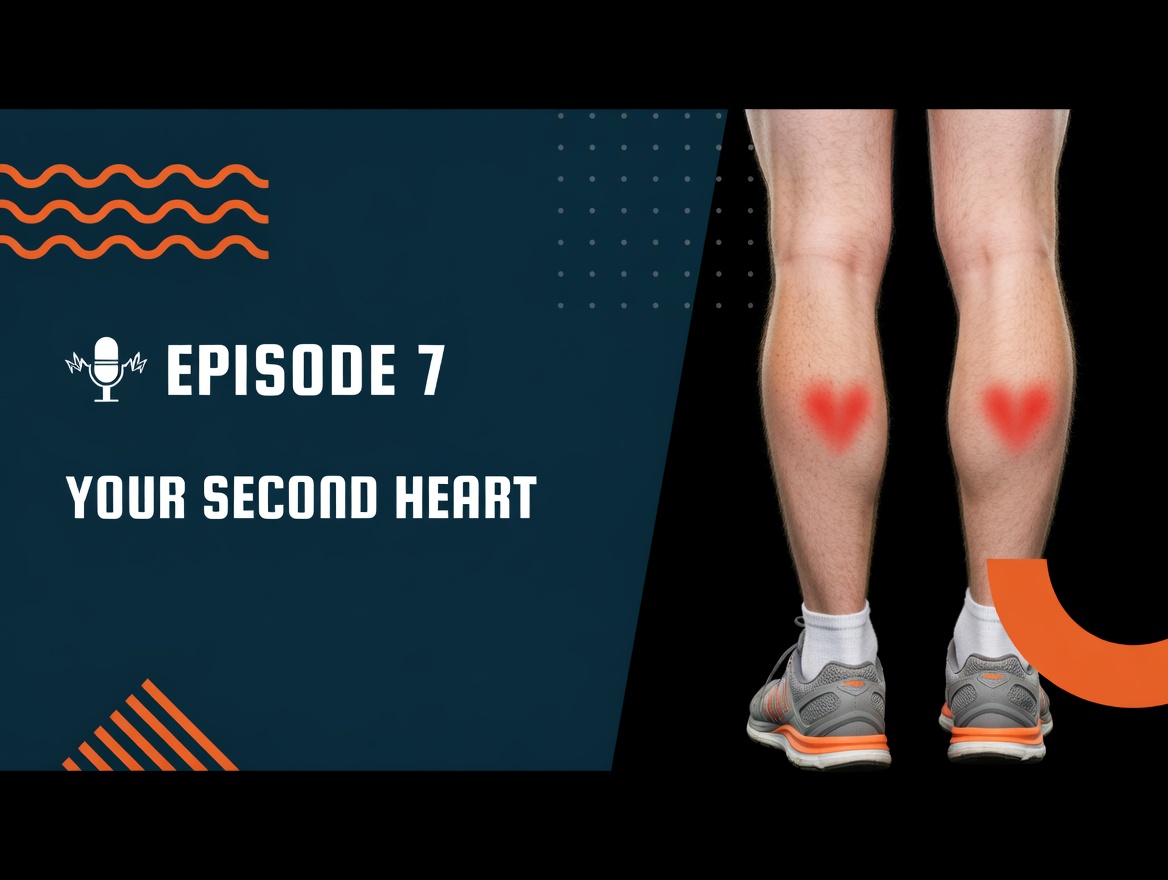
The encouraging part is that you don’t need high-intensity workouts to help your circulation. Frequent, gentle movements are often enough to “wake up” the calf pump and support healthier venous return.
The Science Behind the Calf Muscle Pump
From a physiological standpoint, the process is straightforward:
- When the calf muscles contract, pressure inside the leg veins rises—sometimes to quite high levels—forcing blood upward.
- When the muscles relax, the veins refill with blood, preparing for the next contraction.
This pumping cycle, combined with:
- The action of one-way venous valves
- Pressure changes from breathing (respiratory pump)
helps enhance venous return and can decrease strain on the heart by improving preload—the volume of blood returning to the heart before it contracts.
Experts in cardiovascular and biomechanical research emphasize that active leg muscles provide crucial “hydraulic” support for circulation and metabolic health.
Simple Ways to Activate Your “Second Heart” Each Day
You can support your calf muscle pump with small, consistent actions woven into your routine.
Try incorporating these practical strategies:
-
Morning Heel Raises
- Stand with your feet hip-width apart.
- Slowly rise onto the balls of your feet, lifting your heels.
- Hold for about 2 seconds, then lower your heels with control.
- Aim for 3 sets of 15 repetitions.
This move specifically targets both the gastrocnemius and soleus muscles.
-
Heel-to-Toe Power Walking
- When you walk, consciously roll through the entire foot: strike with the heel, then transfer weight through the midfoot, and push off with the toes.
- This smooth heel-to-toe pattern maximizes soleus engagement and encourages a rhythmic pumping effect in the veins.
-
Micro-Breaks at Your Desk
- If you sit for work, pause every 30 minutes.
- While seated, keep your toes on the floor and lift your heels 10–15 times.
- This subtle movement activates the calf pump without needing to stand up.
-
Hydration and Electrolyte Balance
- Drink water regularly throughout the day.
- Ensure adequate intake of electrolytes such as magnesium and potassium (from food or as advised by a professional), as they support efficient muscle contractions.
These low-effort habits can help sustain better blood flow throughout the day, especially if your lifestyle involves a lot of sitting or standing in one place.
Benefits of Keeping Your Calf Muscles Active
Consistently engaging the calf muscles may:
- Support more effective venous return from the lower legs
- Help ease leg fatigue associated with prolonged inactivity
- Contribute to overall cardiovascular efficiency by assisting the heart’s workload
- Improve comfort during long periods of sitting (e.g., office work, flights) or standing
A broad range of research indicates that leg muscle activity plays a key role in circulation, and people with stronger or more active calves often show better functional outcomes in mobility and vascular health studies.
Common Myths About Leg Circulation
Several misconceptions can downplay the importance of the calf muscle pump:
-
Myth: “Only the heart moves blood.”
While the heart is the primary pump, the calf muscles are a proven secondary pump that assists blood return from the lower body. Ignoring their role overlooks a major piece of circulatory health. -
Myth: “Exercise must be intense to help circulation.”
Heavy workouts are not the only solution. Even light, repeated calf contractions—like gentle heel raises or short walking breaks—can significantly support venous return.
Recognizing the calf muscle pump as a partner to your heart can shift how you approach daily movement and leg health.
FAQ
How often should I do calf exercises to support circulation?
Aim for short bouts of movement several times a day. If you are mostly sedentary, try 2–3 minutes of calf-focused activity every hour, plus a more structured routine in the morning or evening.
Can weak or inactive calves affect how my legs feel after sitting all day?
Yes. When the calf pump is underused, blood can pool in the lower legs, contributing to heaviness, swelling, or discomfort. Regular calf activation helps counteract this pooling.
Is walking enough to keep the calf muscle pump functioning well?
Regular walking with good heel-to-toe mechanics is excellent for the calf pump. However, if you spend long stretches sitting, adding specific calf raises or seated heel lifts can enhance the benefits and keep circulation more consistent.
Important Note
This content is for educational purposes only and does not replace professional medical advice, diagnosis, or treatment. Always consult a qualified healthcare provider before beginning any new exercise or movement program, especially if you have existing medical conditions, circulatory issues, or concerns about leg swelling or pain.