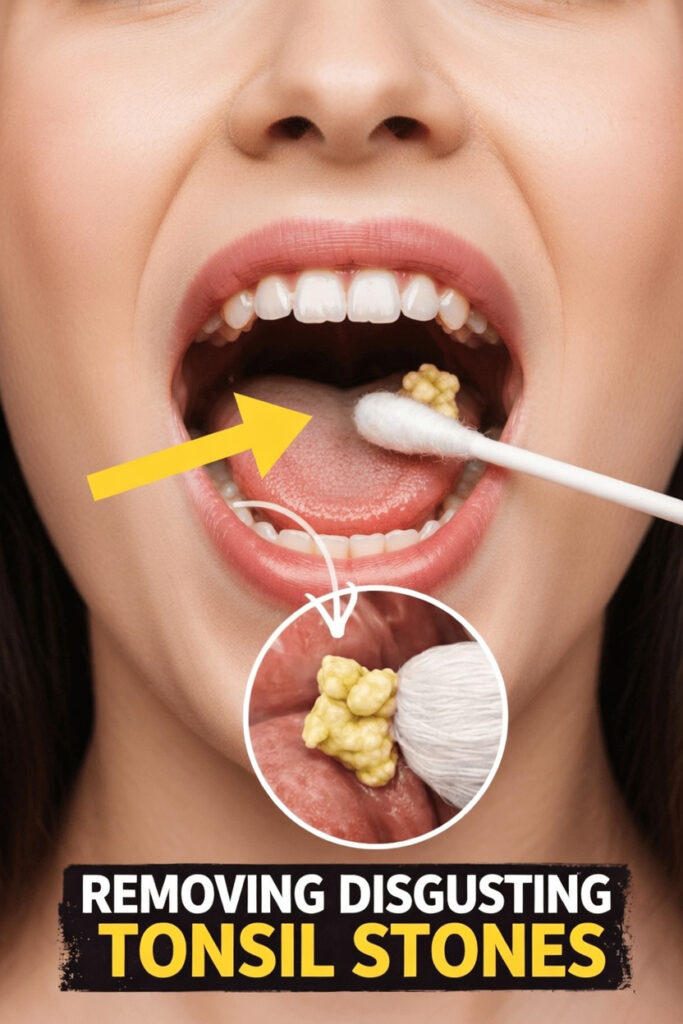
Bad Breath That Won’t Go Away? Tonsil Stones Could Be the Hidden Cause
You brush twice a day, floss often, and still deal with stubborn bad breath that never seems to fully disappear. It’s a frustrating problem, and many people assume the cause must be poor oral care or something they ate. But sometimes the real reason is found in a place few people think to inspect.
Tiny deposits can develop inside the tonsils, where they collect bacteria and debris. These small buildups may lead to persistent mouth odor and a strange sensation in the throat. Once you understand how they form and which simple habits may help control them, the issue becomes much easier to recognize and manage.
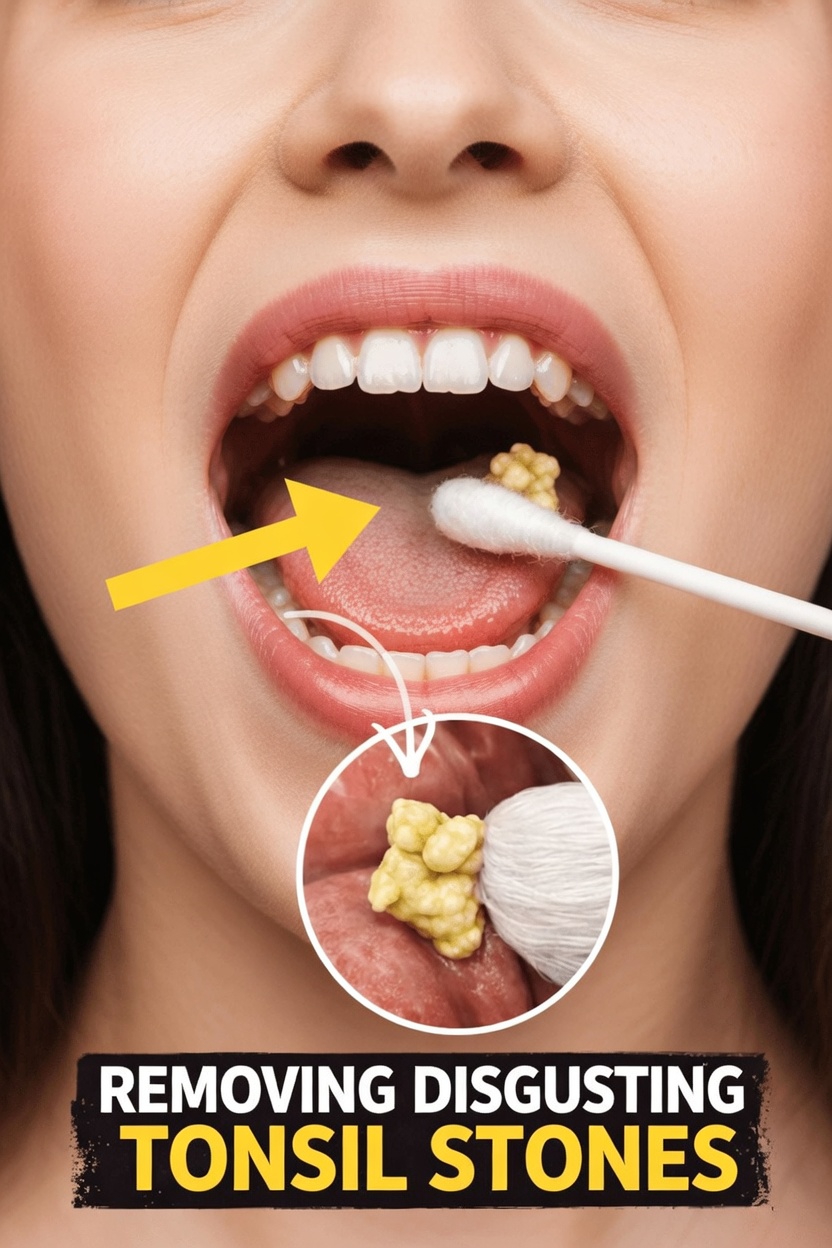
What Are Tonsil Stones?
Tonsil stones, medically called tonsilloliths, are small calcified deposits that form in the natural pockets of the tonsils. These pockets, known as tonsil crypts, are part of the body’s defense system and can catch unwanted particles before they move deeper into the body. Over time, bits of food, mucus, dead cells, and bacteria may collect there and gradually harden into white or yellowish lumps.
A lot of people have tonsil stones and never know it. They are often very small and hidden from view. Research suggests they are fairly common, and many individuals may develop them at some point in life. In most cases, they are harmless and are not a sign of a serious medical condition.
Still, they can be very bothersome when they become a source of ongoing bad breath.
Why Tonsil Stones Develop
The surface of the tonsils is not smooth. It contains multiple folds and tiny openings that help trap bacteria and other particles. While this structure is useful for immune defense, it also makes it easier for debris to stay lodged in place.
When material such as food particles, mucus, and shed cells builds up inside these crypts, bacteria in the mouth begin breaking it down. As time passes, minerals such as calcium can gather around the trapped material. This process causes the debris to harden and form a stone.
Several factors may make tonsil stones more likely:
- Repeated throat infections or long-term tonsil inflammation
- Inadequate oral hygiene that allows more buildup
- Dry mouth, which reduces saliva’s natural cleansing effect
- Deep or large tonsil crypts that trap debris more easily
Studies have also found that the bacteria involved can release volatile sulfur compounds while digesting trapped material. These sulfur compounds are largely responsible for the strong, unpleasant smell linked to tonsil stones.
Signs That May Point to Tonsil Stones
The symptom people mention most often is bad breath that does not improve much with brushing or mouthwash. This happens because the bacteria inside the stones continue producing odor-causing compounds.
Other possible signs include:
- A sensation that something is stuck in the back of the throat
- Mild pain, irritation, or discomfort when swallowing
- An unpleasant or metallic taste in the mouth
- In some cases, slight ear pain due to shared nerve pathways
Not everyone notices symptoms. Many small stones remain unnoticed and may eventually come out on their own without causing trouble.
Quick Symptom Overview
- Bad breath — the most common sign
- Throat discomfort — happens occasionally
- White or yellow spots — may be visible in the mirror
- No symptoms — very common with small stones

Daily Habits That May Help Reduce Tonsil Stones
For many people, simple everyday routines can help lower the amount of debris that collects in the tonsils. The most important part is being consistent and gentle.
One of the easiest and most commonly recommended methods is gargling with warm salt water. This can help loosen trapped material and may create conditions that are less friendly to bacteria.
How to Gargle Properly
- Dissolve about one teaspoon of salt in a cup of warm water.
- Take a sip, tilt your head back slightly, and gargle for 15 to 30 seconds.
- Spit it out and repeat until the cup is finished.
- Do this several times a day, especially after eating.
Staying hydrated also matters. Drinking enough water helps the body produce saliva, which naturally rinses the mouth and throat. Many experts consider good hydration one of the simplest ways to reduce buildup.
Good oral hygiene is another key step. Brushing your teeth and tongue twice a day and flossing gently can lower the amount of bacteria and debris that might otherwise collect in the tonsils.
Other Gentle Methods Some People Use
Some people carefully use a low-pressure water flosser near the tonsils to rinse out debris from the crypts. If you try this, always begin on the lowest setting and be extremely cautious, since tonsil tissue is delicate and easy to irritate.
For some individuals, a strong cough can naturally loosen and dislodge small stones. It does not work every time, but it can help in certain cases without using any tools.
The key with any home approach is to avoid force. Rough handling can lead to soreness, irritation, or slight bleeding. Slow, gentle care is always safer.
Lifestyle Changes That Support Oral and Throat Health
In addition to direct cleaning habits, a few daily adjustments may help reduce the conditions that allow tonsil stones to form:
- Drink water throughout the day to prevent dryness
- Use an alcohol-free mouthwash if it suits your routine
- Pay attention to dairy intake if it seems to increase mucus for you
- Avoid smoking and limit alcohol, as both can dry out the mouth
These changes may seem small, but together they can make the mouth and throat less likely to collect the kind of debris that leads to tonsil stones.
When You Should See a Healthcare Professional
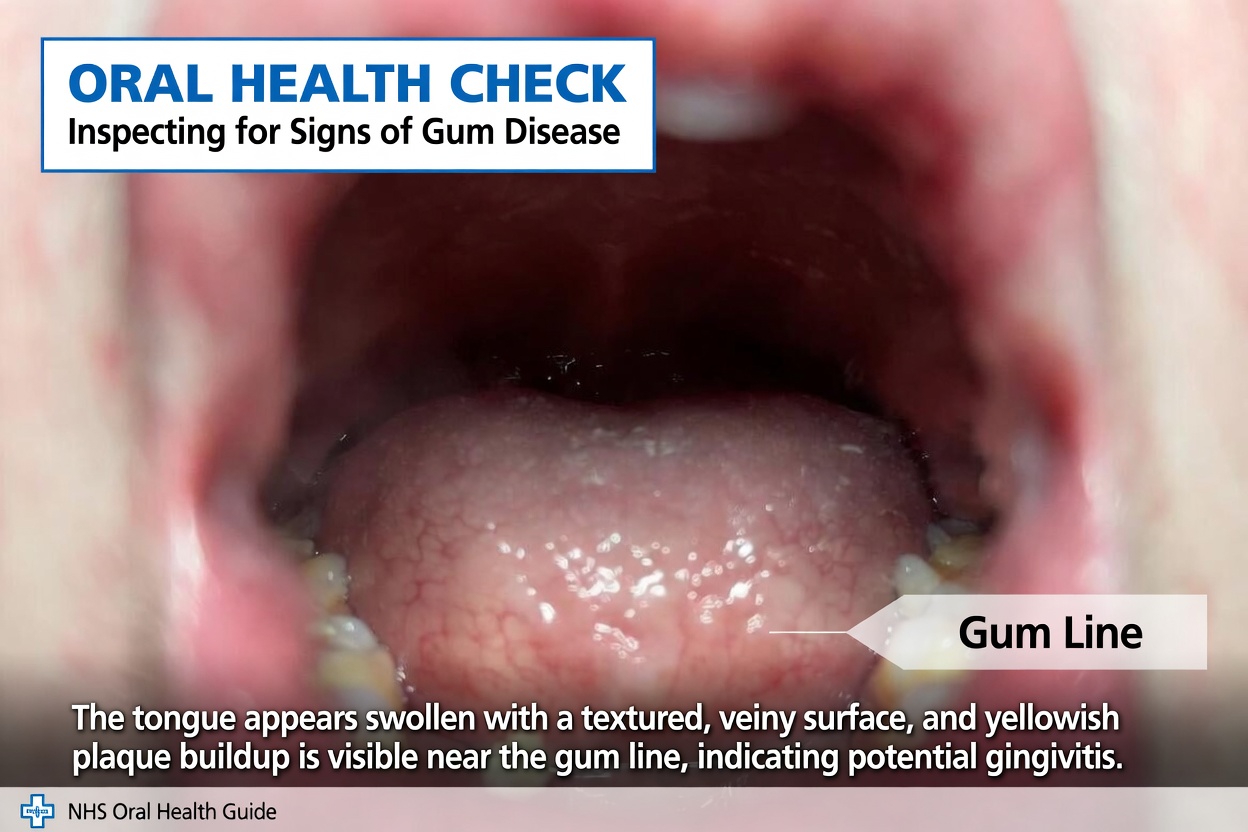
Although tonsil stones are usually minor, there are times when medical advice is a good idea. If you have persistent discomfort, trouble swallowing, or bad breath that affects your daily confidence and quality of life, it may be helpful to speak with a doctor or dentist.
A healthcare professional can examine the area and rule out other possible causes. In more stubborn cases, they may recommend additional treatment options. The most important thing is not to ignore symptoms that continue to interfere with your comfort.
Main Takeaways
Tonsil stones are common, usually harmless, and often overlooked as a cause of bad breath. They form when debris becomes trapped in the tonsil crypts and hardens over time. Because bacteria inside these stones can release strong-smelling sulfur compounds, they may contribute to ongoing mouth odor.
Helpful habits include:
- Staying well hydrated
- Gargling regularly with warm salt water
- Maintaining good oral hygiene
- Being gentle with any at-home care
These are simple, practical steps that cost little or nothing and can fit easily into a daily routine.
FAQ
Can tonsil stones disappear on their own?
Yes. Many small tonsil stones come loose naturally over time through swallowing and normal saliva flow. Gargling gently with warm salt water may help this happen more easily.
Do tonsil stones always cause bad breath?
No. Smaller stones may cause no symptoms at all. Larger stones or those with more bacterial activity are more likely to produce noticeable odor.
How do I know if my bad breath is caused by tonsil stones?
If brushing, flossing, and cleaning your tongue do not fully solve the problem, and you sometimes notice white or yellow spots near the tonsils, tonsil stones may be involved. A healthcare provider can help confirm the cause.
Important Note
This article is for educational purposes only and does not replace professional medical advice. If you have concerns about your symptoms or health, consult a qualified healthcare provider.