Onion Peel Tea: A Simple Natural Remedy That May Support Heart Health and Immunity
Every time you slice onions for a meal, those thin, papery skins usually go straight into the trash—almost automatically. They look useless, like nothing more than kitchen waste. Yet this small habit might be making you throw away something surprisingly valuable. What if those discarded peels could become a practical addition to your wellness routine? Keep reading to see how something so simple can make a difference in everyday life.
What Makes Onion Peels So Special?
The outer layers of an onion contain a high level of natural plant compounds—especially flavonoids such as quercetin, a well-known antioxidant found in many fruits and vegetables. Interestingly, research suggests these beneficial compounds are often more concentrated in the peel than in the onion flesh.
Quercetin is widely studied for its role in helping the body manage oxidative stress, which supports overall cellular protection. And using onion skins isn’t a modern trend—traditional cultures have long reused them in herbal teas, natural dyes, and homemade preparations.
Hidden Benefits in Onion Skins
People who save onion peels often do so for a few clear reasons:
- Rich in antioxidants: helps neutralize free radicals in the body
- High quercetin content: often higher than the inner part of the onion
- General wellness support: provides small amounts of nutrients such as vitamins and minerals
Reintroducing these plant compounds through food-based habits—even by repurposing “scraps”—is an easy, low-cost way to strengthen a healthy routine.
Easy Recipe: Onion Peel Tea
One of the simplest ways to use onion skins is by making a mild, comforting tea.
How to Make It
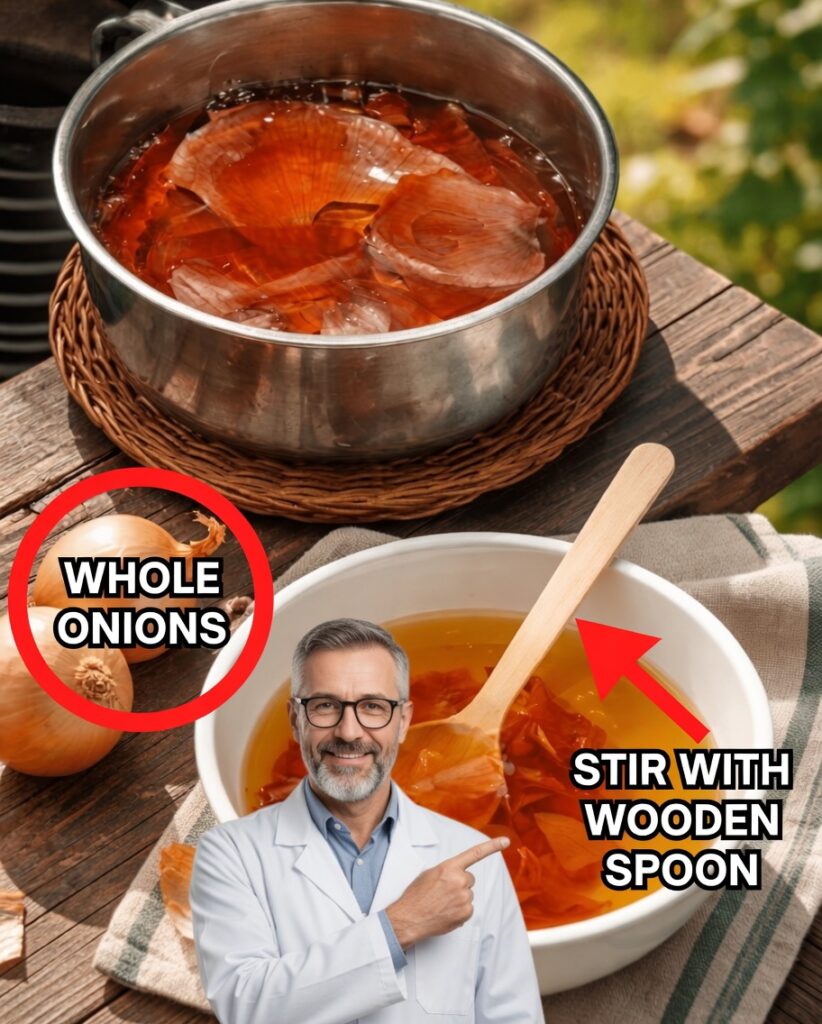
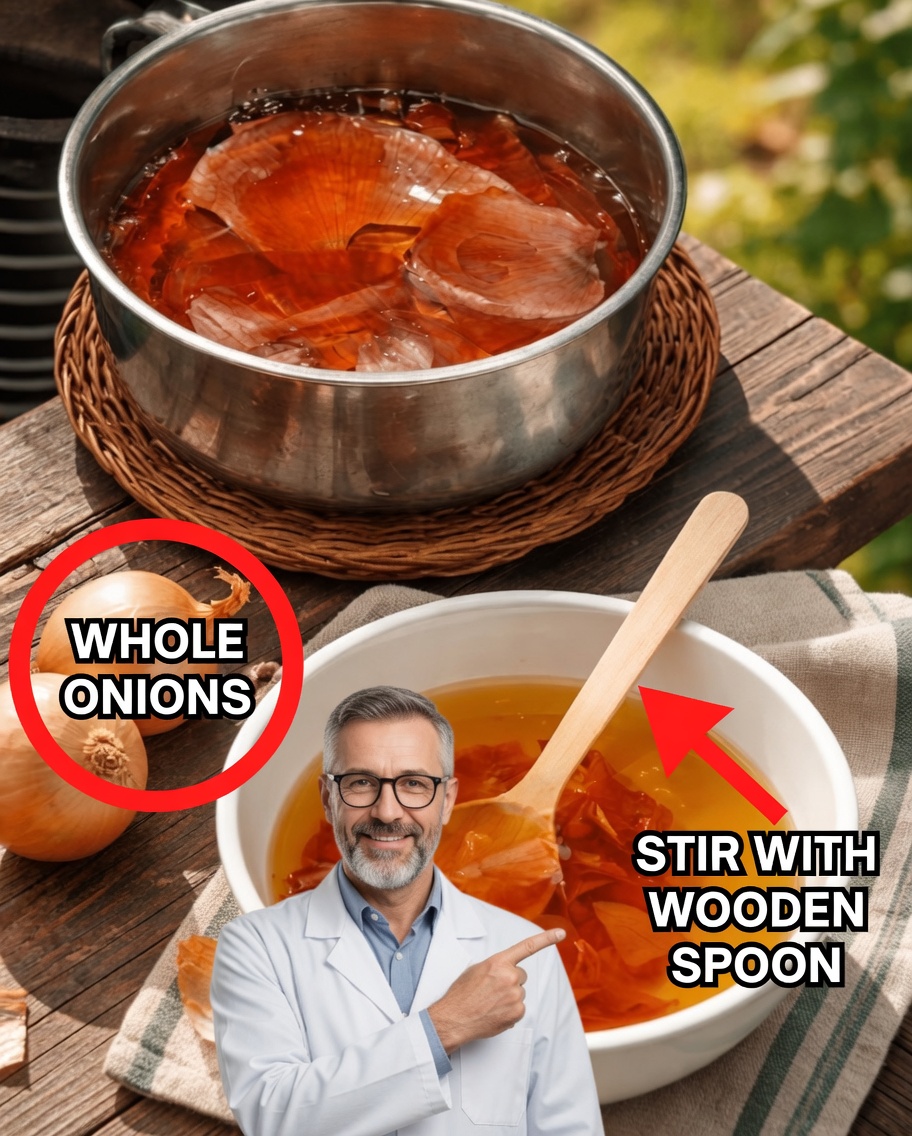
- Collect the dry peels from 4 to 6 onions and rinse them thoroughly.
- Add them to a pot with about 1 liter (4 cups) of water.
- Bring to a boil, then reduce heat and simmer for 15 to 30 minutes.
- Strain and serve.
To improve the flavor, you can add:
- Honey
- Lemon
- Ginger
The taste is generally light, with a slightly earthy note.
Helpful Tips
- Red onion skins tend to create a deeper, richer color.
- A common routine is 1–2 cups per day.
- Store leftover tea in the refrigerator for up to 3 days.
Other Creative Ways to Reuse Onion Peels
Onion skins are surprisingly versatile beyond tea:
- Natural dye: simmer with a little vinegar to dye eggs or fabric
- Hair rinse: some people use it to add shine and enhance tone
- Compost or plant “tea”: add to compost or steep for a mild plant feed
- Flavor booster for broth: simmer in soups or stocks, then remove before serving
What Research Suggests About Quercetin
Scientific studies indicate that quercetin may support:
- Reduced inflammation
- Cardiovascular health
- Lower oxidative stress
It’s not a miracle cure, but consistent and balanced use as part of a healthy lifestyle may offer benefits over time.
How to Start Today
You can begin with a few easy steps:
- Keep onion skins in a clean jar or container in your kitchen
- Choose organic onions when possible, since peels may hold more residues
- Start small by brewing one cup first to see how you like it
Small habits like this can be surprisingly impactful without requiring major effort.
Conclusion
Reusing onion peels is a simple way to reduce food waste while adding beneficial plant compounds to your routine. Whether you use them for tea, natural dye, broth, or compost, this “scrap” can become a practical resource.
Next time you cook, pause before tossing the peels. Sometimes the most valuable benefits are found in the parts we usually ignore.