Purslane: The “Weed” That’s Actually a Garden Superfood
Often pulled out and discarded as an unwanted weed, purslane (Portulaca oleracea) is in fact a nutritional powerhouse and a surprisingly useful companion in the garden. This humble plant is tasty, resilient, and offers impressive benefits for both your health and your soil. Here’s why you should let purslane flourish instead of throwing it away.
8 Compelling Reasons to Grow Purslane
1. Loaded with Essential Nutrients
Purslane is a nutrient-dense leafy green that earns its superfood status:
- Rich in omega-3 fatty acids, which support heart function and brain health
- High in vitamins A, C, and E, important for immune defense, vision, and skin
- Contains key minerals such as magnesium, calcium, and potassium for strong bones, muscles, and overall vitality
2. Incredibly Tough and Drought-Tolerant
If you want a plant that practically cares for itself, purslane is ideal:
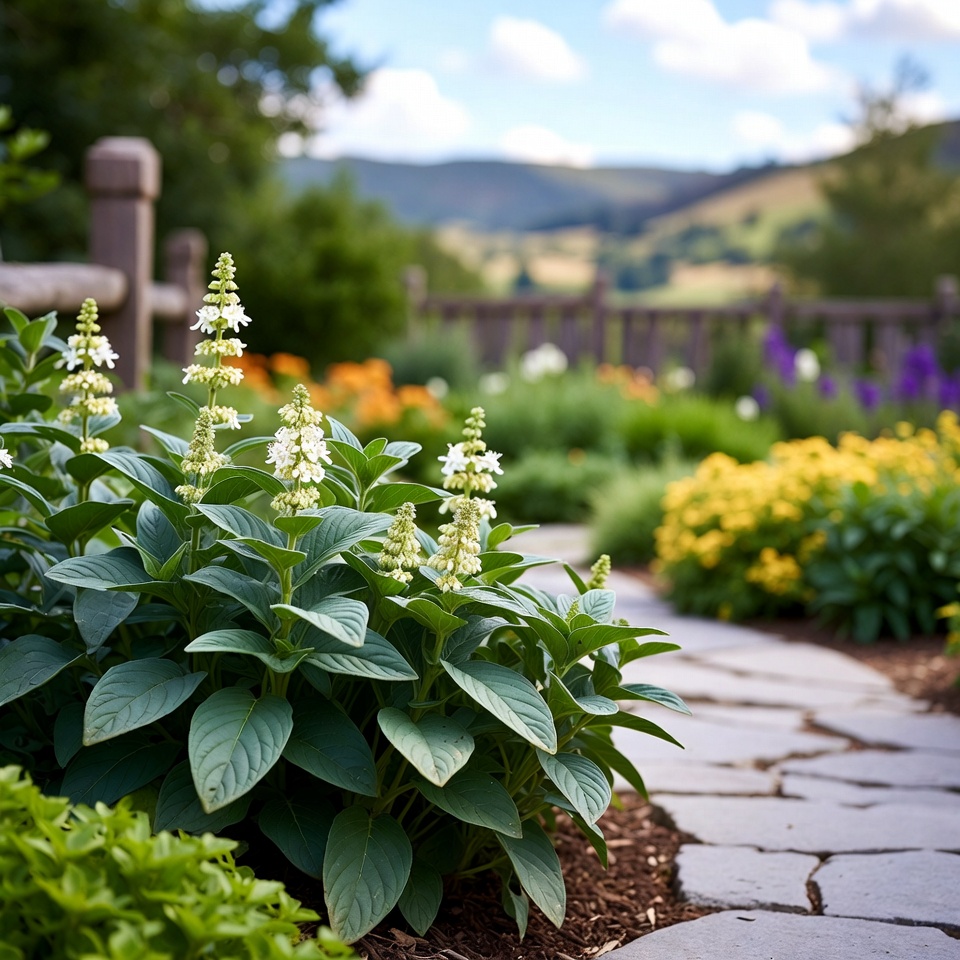
- Thrives in poor, sandy, or compacted soils where many vegetables struggle
- Handles heat and dry conditions extremely well, making it perfect for low-maintenance or water-wise gardens
- Requires minimal irrigation, helping you conserve water and reduce garden upkeep
3. Excellent Natural Ground Cover
Purslane doesn’t just feed you; it also protects your soil:
- Forms a low, spreading mat that shields the soil from erosion
- Helps retain moisture by shading the ground, reducing evaporation
- Covers bare patches, which helps suppress unwanted weeds naturally
4. Helps with Natural Pest Management
Purslane is a useful ally in an ecological garden:
- Can deter some harmful insects and offer a protective buffer for nearby crops
- Attracts beneficial insects and pollinators, such as bees, that support fruit and vegetable production
- Works well in companion planting systems for a healthier garden ecosystem
5. A Tasty and Versatile Edible Green
Beyond the garden, purslane is delicious and easy to use in the kitchen:
- Has a mildly sour, lemony flavor and a pleasant crunch
- Great raw in salads, sandwiches, and salsas
- Can be lightly sautéed, added to soups and stir-fries, or blended into green smoothies
- Traditionally used in various cultures to support digestion and soothe inflammation
6. Notable Medicinal Properties
Purslane has a long history in traditional herbal medicine:
- Contains antioxidants and anti-inflammatory compounds that may help protect cells from damage
- Used in folk remedies for easing skin irritations, supporting wound healing, and calming stomach discomfort
- May help support overall wellness when included as part of a balanced diet
7. Extremely Easy to Grow and Multiply
Growing purslane is simple, even for beginners:
- Propagates readily from seeds, cuttings, and even small stem pieces
- Can be grown in containers, raised beds, or directly in the ground
- Spreads quickly, providing a continuous harvest throughout the warm season
8. Supports and Improves Soil Health
Purslane contributes positively to your garden’s long-term fertility:
- Adds organic matter to the soil as it grows and decomposes
- Helps cycle and hold nutrients in the root zone, making them more available to neighboring plants
- Encourages a living, active soil environment
How to Grow Purslane in Your Garden
You don’t need special conditions to grow purslane successfully:
- Choose a sunny spot – Purslane loves full sun and warm temperatures.
- Use well-draining soil – It prefers soil that doesn’t stay soggy, but will tolerate poor ground.
- Water sparingly – Once established, it performs well with minimal moisture.
- Harvest regularly – Snip stems often; frequent cutting encourages fresh, tender growth.
Final Thoughts
Instead of treating purslane as a nuisance, consider it a valuable asset. This hardy plant offers impressive nutritional benefits, helps improve soil health, and can even support natural pest control. Adding purslane to your garden means gaining a resilient green that nourishes both you and your landscape.
Have you tasted purslane before? Would you consider letting it grow in your garden instead of pulling it out?