Yogurt and Yeast Face Mask: A Simple DIY Skincare Blend for Softer, Healthier-Looking Skin
Yogurt has been used in traditional beauty routines for generations, thanks to its rich texture and skin-friendly properties. One of its most notable components is lactic acid, a mild alpha hydroxy acid (AHA) that can help the skin naturally shed dead surface cells. This gentle exfoliating action may leave the complexion looking smoother and more refreshed. Some studies, including research on yogurt-based facial masks, also suggest that yogurt may help improve skin hydration and overall softness.
Yeast, including baker’s yeast and nutritional yeast, offers a different set of benefits. It contains B vitamins such as niacin and biotin, which are associated with skin support and moisture balance when used in topical formulas. Certain cosmetic studies have examined yeast-derived ingredients for their possible role in improving skin texture and elasticity over time, although results can vary depending on the individual.
When these two ingredients are mixed together, they form a creamy, nutrient-rich mask that many people like to try as part of a home skincare routine.
Possible Skin Benefits Based on General Research
Research on yogurt face masks has shown promising results. For example, a 2011 study involving yogurt-based facial packs reported improvements in moisture, brightness, and elasticity with regular application. Yogurt also contains probiotics, which may help support a balanced skin environment and reduce the appearance of dullness.
Yeast has also attracted attention in skincare research. Its vitamin profile may support collagen-related processes and help improve the look of fine lines with consistent use. Reviews of fermented skincare ingredients suggest they may contribute to a smoother and more refined skin texture.
Commonly Reported Benefits of a Yogurt and Yeast Mask
- Boosts hydration: Yogurt helps the skin retain moisture, leaving it feeling softer and more comfortable.
- Provides mild exfoliation: Lactic acid can help lift away dull surface buildup for a brighter appearance.
- Adds vitamin nourishment: Yeast delivers B vitamins that may support healthier-looking skin.
- Improves texture: Ongoing use may help the skin appear fuller and more even.
- Offers a soothing feel: Some users find the mask calming on mildly irritated or tired-looking skin.
It is important to keep expectations realistic. These effects are generally subtle and are based on both personal experiences and research on the individual ingredients, not guaranteed dramatic results.
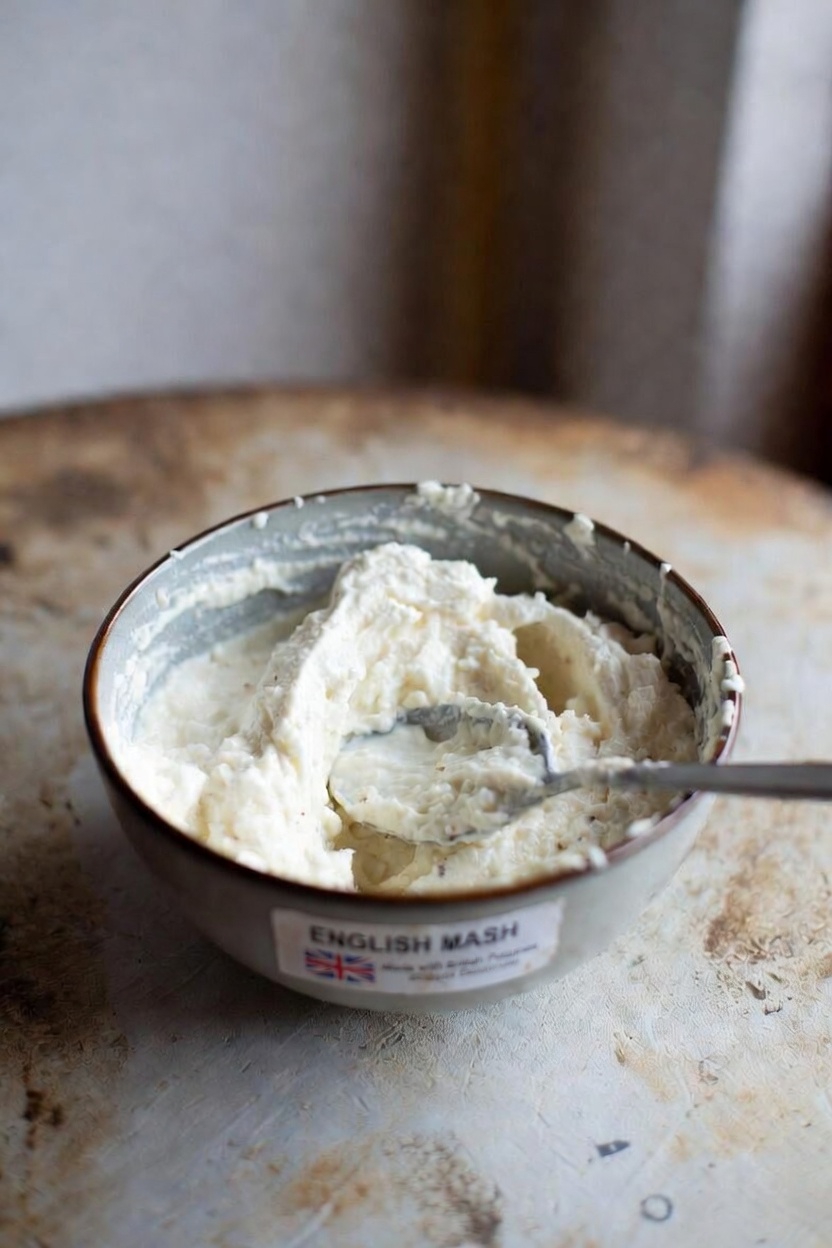
How to Make a Yogurt and Yeast Face Mask at Home
This DIY face mask is easy to prepare with simple kitchen ingredients. Before applying it to your face, always perform a patch test on the inside of your arm to check for sensitivity.
Ingredients for One Application
- 1 tablespoon plain, unsweetened yogurt
- Full-fat or Greek yogurt works best if you want a thicker texture
- 1 teaspoon active dry yeast or nutritional yeast
- Fresh or powdered forms can be used
- Optional: a few drops of warm water or milk to thin the mixture if needed
Step-by-Step Instructions
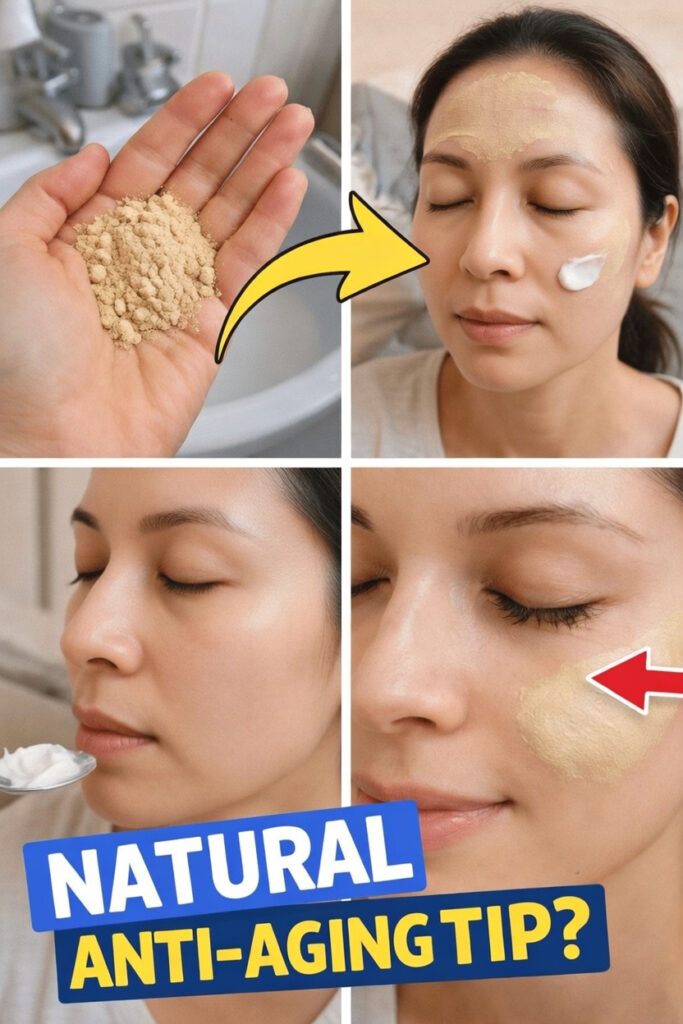
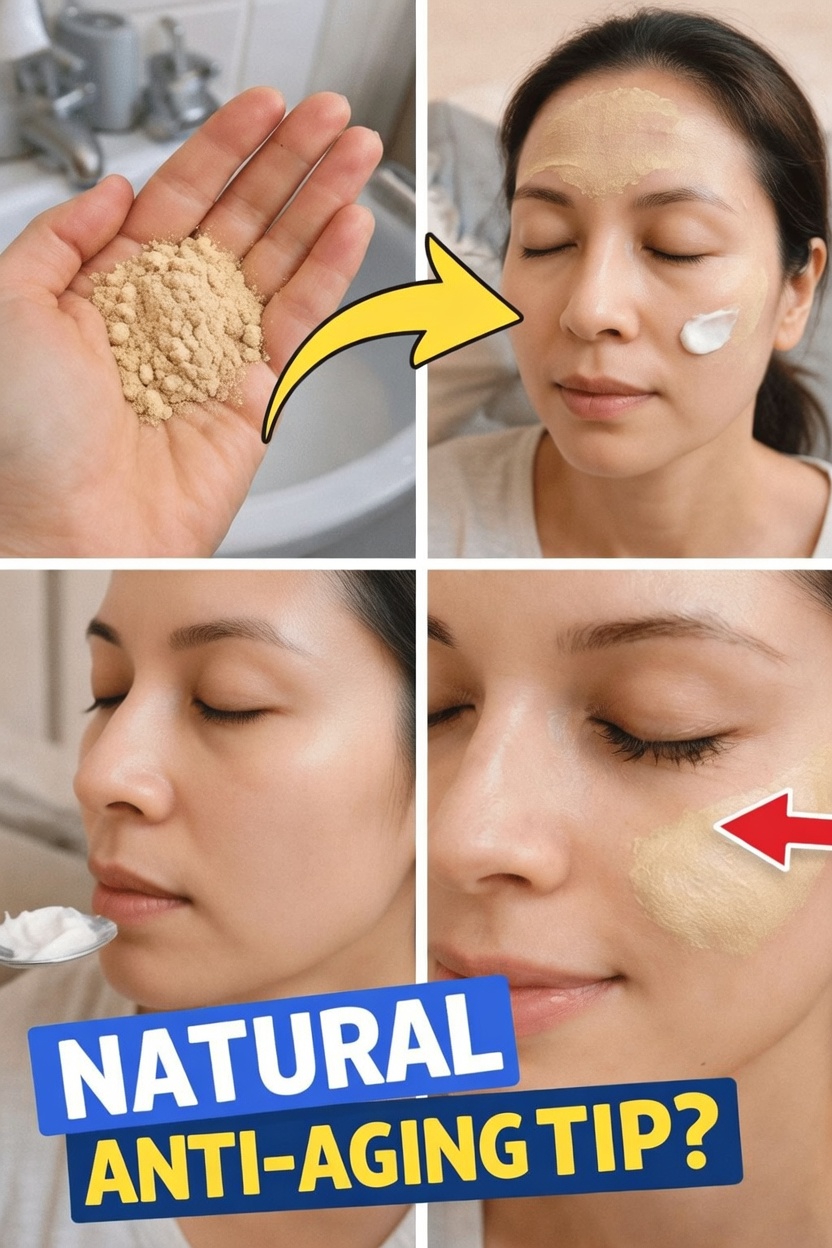
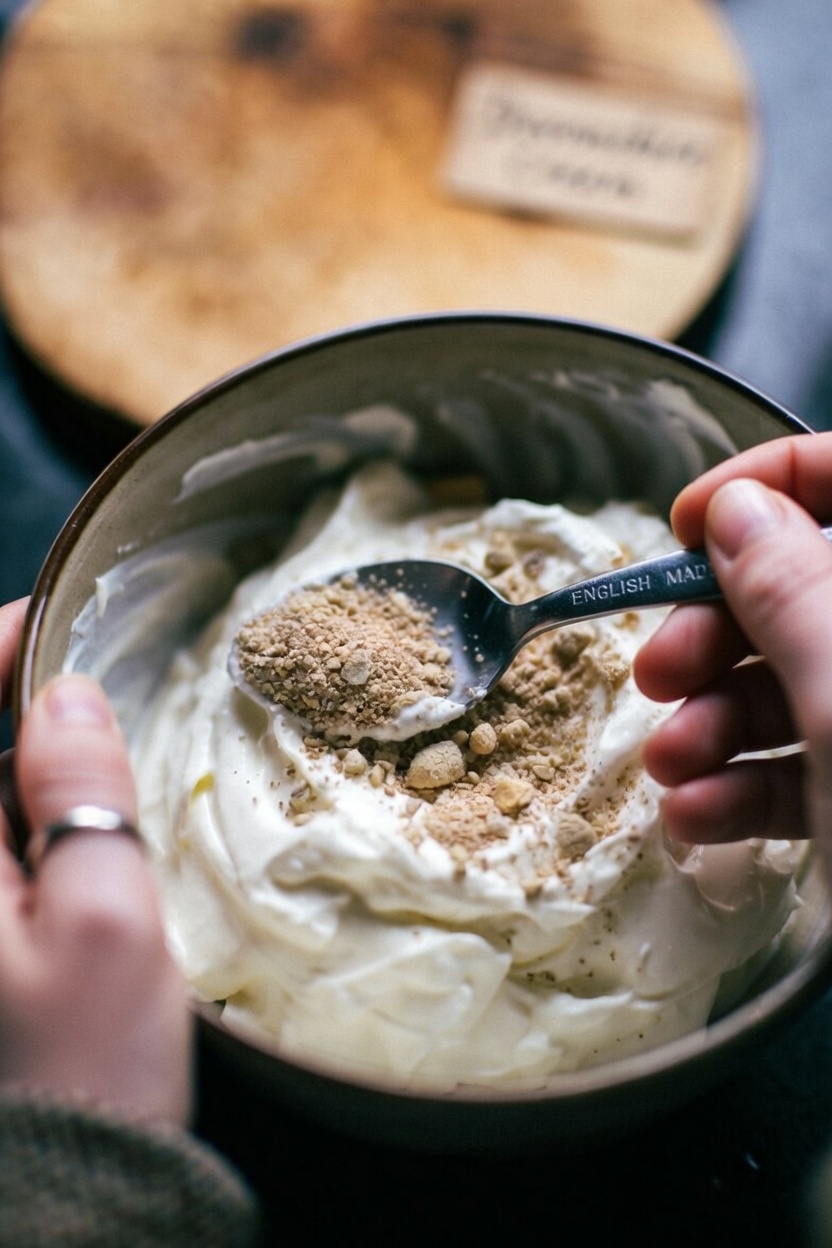
- Place the yogurt in a small bowl.
- Sprinkle the yeast over the top.
- Stir gently until the mixture becomes smooth and spreadable.
- If it feels too thick, add a small amount of warm water or milk.
- Wash your face thoroughly and pat it dry.
- Apply the mask evenly over your face and neck, avoiding the eye area.
- Leave it on for 10 to 15 minutes only.
- Rinse with lukewarm water while gently massaging in circular motions.
- Pat the skin dry and apply your regular moisturizer.
Most people use this mask once or twice a week. Evening application is often preferred because it feels relaxing and fits well into a nighttime routine.
Tips for Better Results
- Use fresh, plain yogurt with no added sugar or flavoring.
- Begin with a small amount of yeast if your skin is easily irritated.
- Leftover mixture can be refrigerated for up to one day, but freshly made mask is best.
What Results Can You Expect?
Natural face masks typically deliver gradual results rather than instant changes. With regular use, you may notice that your skin feels softer, looks more hydrated, and appears a little fresher. Outcomes depend on factors such as:
- Age
- Skin type
- Lifestyle habits
- Overall skincare routine
This mask is better thought of as a gentle supportive treatment rather than a replacement for professional skincare or medically proven treatments.
Comparison of Popular Natural Face Mask Ingredients
| Ingredient | Main Benefit | Best For | Notes |
|---|---|---|---|
| Yogurt | Hydration and gentle exfoliation | Dry or dull skin | Cooling and naturally rich in probiotics |
| Yeast | Vitamin-based nourishment | Uneven or tired-looking skin | Provides B vitamins that may support skin vitality |
| Honey | Soothing and moisture retention | Sensitive skin | Known for humectant and antibacterial properties |
| Lemon | Brightening | Oily skin, used sparingly | Can be irritating and should be used with caution |
Safety and Precautions
This mask is not suitable for everyone. Avoid using it if you have:
- A known yeast allergy
- Active skin conditions
- Very sensitive skin
Stop using the mask immediately if you experience:
- Redness
- Itching
- Burning
- Ongoing irritation
A patch test is especially important if you have reactive skin or are trying this blend for the first time.
Conclusion
A yogurt and yeast face mask can be a gentle and budget-friendly way to give your skin extra care at home. While it should not replace professional advice or clinically proven treatments, many people enjoy it for its moisturizing feel and the refreshed look it may promote over time. The key is to use it carefully, stay consistent, and pay attention to how your skin responds.
FAQ
1. How often should I use a yogurt and yeast face mask?
For most people, 1 to 2 times per week is enough to enjoy the benefits without overusing it.
2. Can this mask help dry skin?
Yes. Yogurt offers moisture, while yeast provides nutrients that may help improve softness and hydration, making this mask a good option for dry skin types.
3. Is nutritional yeast better than baker’s yeast for skincare?
Both can be used. Nutritional yeast is deactivated and is often considered milder, while baker’s yeast can become slightly active or foamy when mixed.