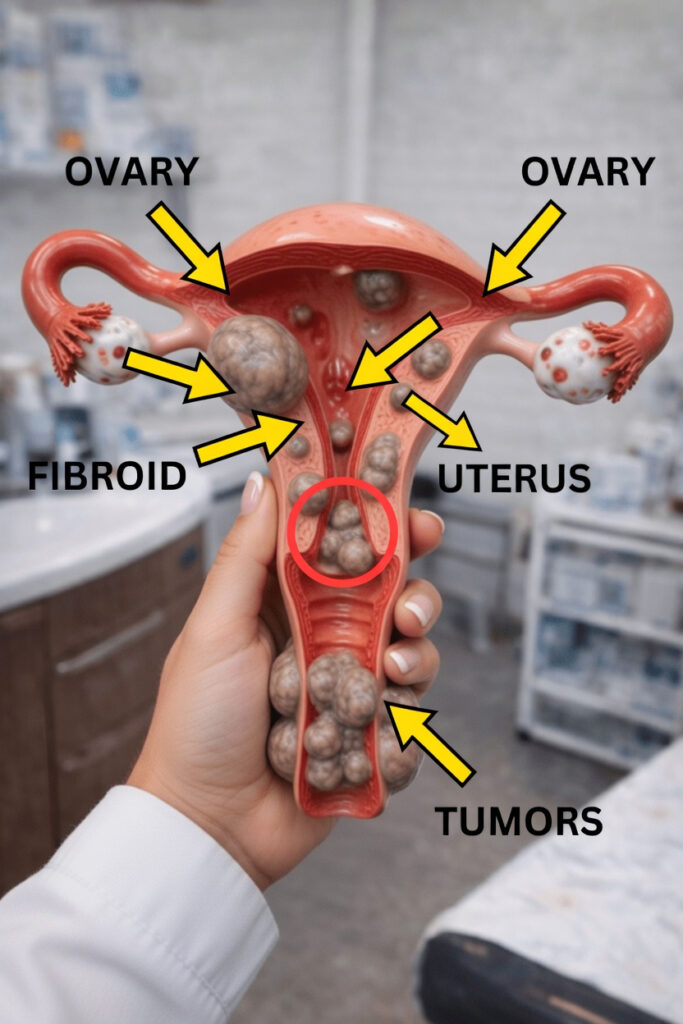
Why Uterine Fibroids Remain So Common
By the time menopause arrives, as many as 80% of women may develop uterine fibroids. Even with growing awareness around women’s health, many still ask the same question: why do these noncancerous growths continue to appear so often?
Fibroids can cause heavy menstrual bleeding, pelvic fullness, pressure, tiredness, and other symptoms that interfere with daily routines. For many women, it is especially discouraging when healthy habits do not seem enough to control something that feels driven by biology. Although the full cause is still not completely defined, research suggests that understanding the major drivers behind fibroids—and making supportive lifestyle choices—can help reduce risk and improve overall wellness.
This guide explains why fibroids continue to affect so many women, what factors increase the likelihood of developing them, and which practical habits may support uterine health over time. It also covers one commonly overlooked connection that may play a bigger role than expected.
What Are Uterine Fibroids?
Uterine fibroids, also known as leiomyomas, are growths made up of muscle cells and connective tissue that form in or around the uterus. Some are extremely small, while others become large enough to change the shape of the uterus.
These growths most often appear during the reproductive years, when estrogen and progesterone levels are more active. Research shows that fibroids often become smaller after menopause, when those hormone levels decline.
In nearly all cases, fibroids are benign, meaning they are not cancerous and do not raise the risk of uterine cancer. Still, their effects differ greatly from one woman to another. Some never notice them, while others deal with ongoing pain, pressure, or abnormal bleeding.
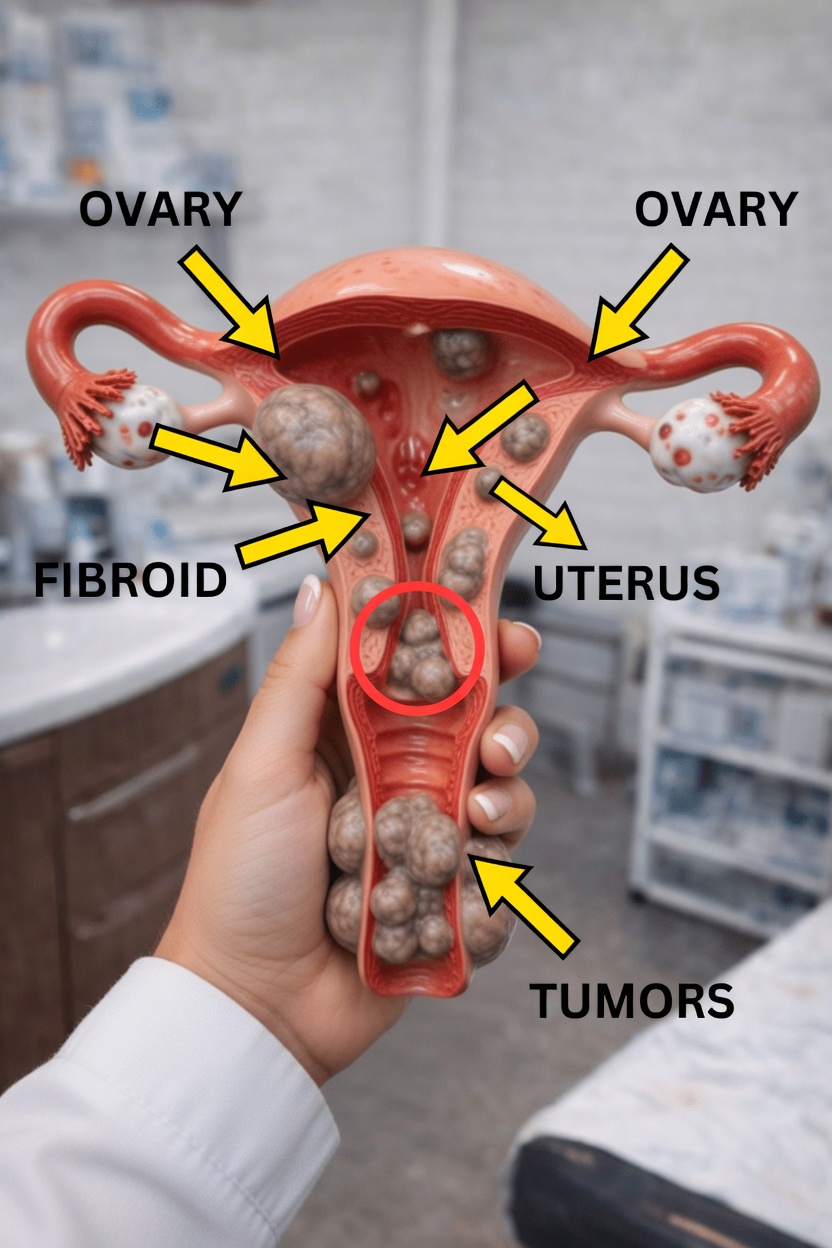
Why Do So Many Women Still Develop Fibroids?
The exact reason fibroids form is not fully known, but experts believe they result from several factors working together. Hormones are a major piece of the puzzle. Estrogen and progesterone stimulate the uterine lining during each menstrual cycle, and fibroids tend to have more receptors for these hormones than normal uterine tissue.
Genetics also matter. Changes in the genes of uterine muscle cells may cause those cells to grow more quickly, especially when influenced by hormones. Over time, environmental exposures and lifestyle patterns may add to this process as well.
Fibroids remain widespread because these influences often build up throughout the reproductive years. Key reasons include:
- Long-term hormone exposure that may encourage fibroid growth
- Inherited genetic tendencies that make some women more vulnerable
- Additional biological triggers such as inflammation or early-life influences
Major Risk Factors Linked to Fibroids
Medical sources such as the Mayo Clinic and NIH-supported research identify several factors that can increase the chances of developing uterine fibroids. Some cannot be changed, while others may be influenced by everyday habits.
Risk Factors You Cannot Control
These factors are commonly associated with a higher likelihood of fibroids:
- Age, especially during the 30s through 50s
- Race and ethnicity, with Black women experiencing higher rates and often earlier onset
- Family history, such as a mother or sister with fibroids
Risk Factors That May Be Modified
Research also links several lifestyle or health-related factors to fibroid development:
- Obesity or a higher BMI, since body fat can produce additional estrogen
- A diet high in red meat and low in fruits and vegetables
- Vitamin D deficiency
- Early menstruation, particularly before age 10
- Never having been pregnant
One of the biggest surprises for many women is that daily habits can slowly affect hormone balance and inflammation over many years, even when no obvious symptoms are present at first.

Lifestyle Habits That May Support Uterine Health
There is no guaranteed way to prevent fibroids, but evidence suggests that certain habits may help reduce risk or make symptoms easier to manage. The most effective approach is usually a realistic, long-term routine that supports hormone balance and lowers inflammation.
Maintain a Healthy Weight
Carrying excess body weight, especially around the midsection, may increase estrogen production. Studies have found that women with a higher BMI often face a greater risk of fibroids. Gradual, sustainable weight management through balanced nutrition and regular movement may be beneficial.
Choose Nutrient-Dense Foods
A diet rich in whole, nourishing foods may support hormonal health. Research points to several helpful patterns:
- Eat more fruits and vegetables, aiming for at least four servings a day
- Include leafy greens and cruciferous vegetables such as broccoli
- Choose fiber-rich whole grains to help the body process excess hormones
- Add foods associated with lower risk, including those that provide vitamin D or compounds found in green tea
Exercise Consistently
Regular physical activity can support weight control and may also lower fibroid risk. Some studies suggest that women who stay active through walking, dancing, running, or similar movement have lower odds of developing fibroids.
A simple weekly routine can look like this:
- Monday, Wednesday, Friday: 30 minutes of brisk walking or yoga
- Tuesday, Thursday: Strength exercises or bodyweight training like squats and planks
- Weekend: A longer activity such as hiking, cycling, or dancing
- Daily: Stand up and stretch every hour if you spend long periods sitting
Support Healthy Vitamin D Levels
Low vitamin D levels appear repeatedly in fibroid research as a possible contributing factor. Sun exposure, fortified foods, and supplements under medical guidance may help maintain a healthy range.
The Often-Missed Connection: Sitting Too Much
One overlooked habit is prolonged sitting. While sitting itself may not directly cause fibroids, it can contribute indirectly through weight gain, lower energy use, and reduced circulation. Sedentary behavior has been linked to higher health risks in general, while frequent movement breaks support metabolic and hormonal health.
A simple strategy is the stand-and-move rule:
- Every 30 to 60 minutes, get up for about 5 minutes
- Stretch, walk around, or do a few light movements
- Repeat throughout the day, especially during desk work
These small breaks may seem minor, but over time they can support better energy, circulation, and overall hormonal balance.

Common Questions About Uterine Fibroids
How common are fibroids?
They are extremely common. By menopause, around 70% to 80% of women may have fibroids. However, only 25% to 50% tend to experience noticeable symptoms.
Can pregnancy change fibroid risk?
Research suggests that pregnancy may reduce long-term fibroid risk. In general, the likelihood appears to decrease as the number of pregnancies increases.
Does birth control affect fibroids?
Some hormonal birth control methods may help control heavy bleeding caused by fibroids. Their effect on fibroid growth is less predictable, so it is best to discuss options with a healthcare provider.
Final Thoughts
Uterine fibroids continue to affect many women because they are influenced by a combination of hormones, genetics, and lifestyle-related factors. While not every cause can be controlled, understanding the most important risks can help women make informed choices.
Supportive habits such as eating a balanced diet, staying physically active, maintaining a healthy weight, limiting long periods of sitting, and paying attention to vitamin D may all contribute to better reproductive health.
In many cases, small changes practiced consistently have the greatest long-term impact.