Why Post-Sex Discomfort Happens
Many people love the relaxed, intimate moments after sex—but for some, that calm is overshadowed by a familiar worry: burning, irritation, or that constant urge to pee in the days that follow.
For individuals with female anatomy in particular, this can be a recurring concern. Because the urethra is short and located close to the anus and vaginal opening, bacteria can more easily make their way inside during sexual activity. The result can be discomfort that disrupts your routine and affects how you feel about intimacy.
The encouraging part: there’s a simple, free step that many healthcare professionals routinely recommend to help support your urinary tract’s natural defenses—peeing after sex.
But why does this small habit matter, and how strong is the reasoning behind it? Below, you’ll find a clear breakdown of how it works and how to build it into your routine without stress or overthinking.
A Quick Look at How the Urinary Tract Works
To understand why urinating after sex can be helpful, it’s useful to know the basics of your urinary system.
Your urinary tract is made up of:
- Kidneys – Filter waste and extra fluid from your blood.
- Ureters – Tubes that carry urine from the kidneys to the bladder.
- Bladder – Stores urine until you’re ready to release it.
- Urethra – The final tube that carries urine out of your body.
In people with a shorter urethra (commonly those with female anatomy), bacteria on the skin or around the genital area have a shorter distance to travel to reach the bladder. Sexual activity—through friction and movement—can nudge these bacteria toward or into the urethral opening.
Health organizations and medical sources, including institutions like the Cleveland Clinic, have highlighted this as a frequent reason some people experience urinary discomfort or infections after sex.
Urine itself is an important built-in defense: when you urinate, the flow of urine helps rinse away bacteria before they can settle in, multiply, and cause trouble.
The Core Benefit: Helping Your Body Flush Out Bacteria
The main reason experts suggest peeing after sex is straightforward: it supports your body’s natural ability to clear bacteria from the urethra.
Many clinicians and reputable health resources note that urinating soon after intercourse:
- Helps flush bacteria that may have entered the urethra during sexual activity.
- Works with, not against, your urinary tract’s natural protection.
- Is especially useful for those who tend to get urinary tract symptoms after sex.
While research doesn’t show that this habit prevents every single urinary tract infection in every person, it is widely recommended because:
- It’s low-risk and cost-free.
- It aligns with how the urinary system already works.
- Many people find it makes a noticeable difference over time.
Mechanically, it makes sense because:
- Friction during sex can move bacteria close to or into the urethral opening.
- Delays in urination give bacteria more time to move upward toward the bladder.
- Urinating soon after sex creates a stream of urine that helps push those bacteria out before they can settle and multiply.
This habit isn’t a guarantee that you’ll never have urinary issues again—but it does give your body an extra, gentle assist.

Who Is Most Likely to Benefit?
You don’t have to rush to the bathroom the second sex is over, and not everyone will notice a dramatic change. That said, some groups tend to benefit more from this habit:
- People who’ve had UTIs or urinary discomfort after sex in the past
- Those with female anatomy, due to shorter urethral length and location
- Anyone who notices a pattern of burning, urgency, or irritation after intimacy
- People who already drink plenty of water, but want one more simple protective step
If you’ve never had urinary issues, peeing after sex is still safe, quick, and unlikely to cause any harm—and it might help you avoid problems in the future.
How to Turn Peeing After Sex into an Easy Habit
You don’t need a complicated routine to make this a regular part of your post-intimacy ritual. Here’s a simple approach:
-
Pause and enjoy the moment
Take a few minutes to cuddle or relax together. There’s no need to jump up immediately. -
Head to the bathroom within about 15–30 minutes
Aim for a reasonable window rather than seconds. As long as it’s relatively soon, you’re supporting the flushing effect. -
Empty your bladder completely
Try not to rush. Let your bladder fully empty so urine can thoroughly rinse the urethra. -
Wipe gently and correctly (if applicable)
For those with vulvas, wipe from front to back to reduce the chance of spreading bacteria from the anal area toward the urethra. -
Drink some water afterward
Staying well-hydrated encourages regular urination, which further supports urinary tract health over the course of the day.
You don’t have to be perfect. Doing this most of the time, rather than every single time, can still offer meaningful support.
Extra Habits That Support Urinary Tract Health
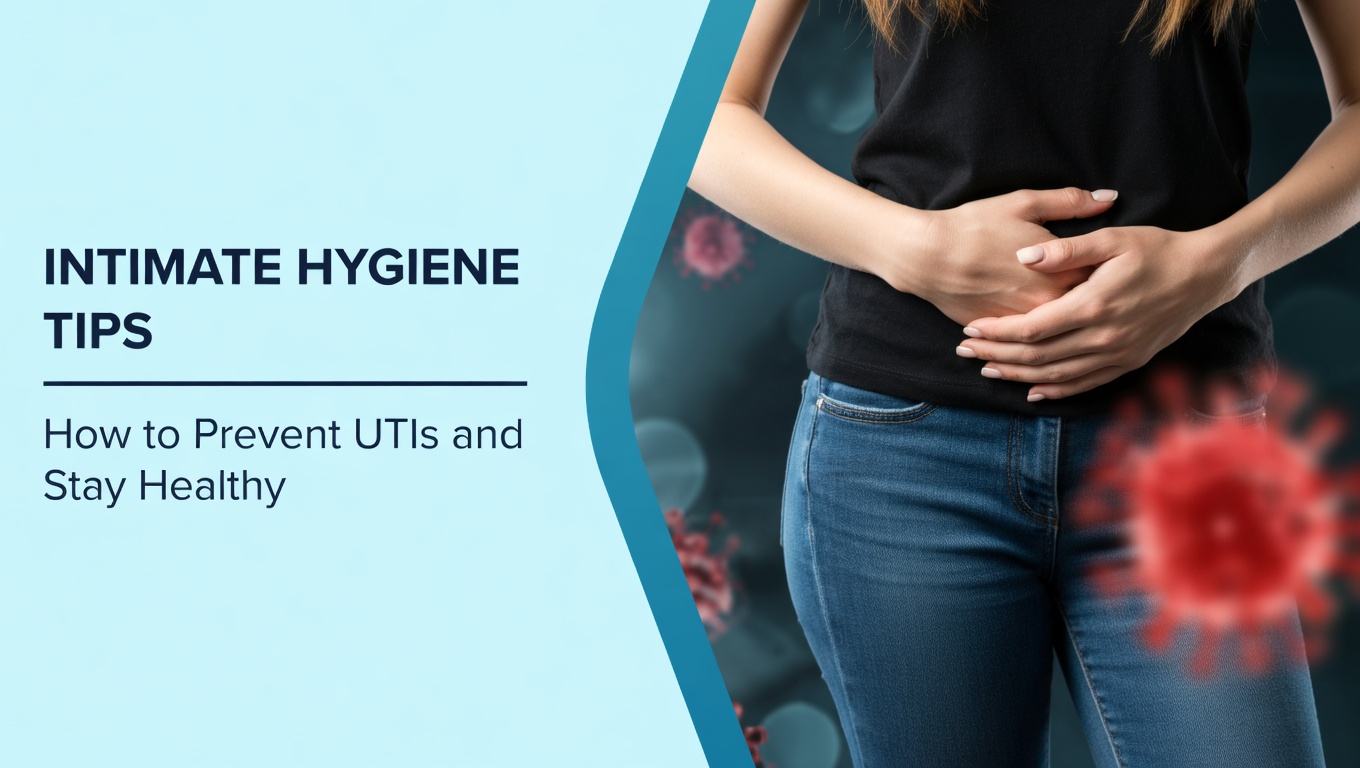
Peeing after sex is just one piece of a broader, gentle routine that can help keep your urinary tract more comfortable and resilient. You may also want to:
-
Stay well-hydrated
Aim for urine that’s a light, pale yellow—often a good sign of adequate fluid intake. -
Use mild, gentle hygiene practices
Wash the genital area with plain water or a mild, unscented cleanser. Avoid harsh soaps, strong fragrances, and douching, which can irritate delicate tissues or disrupt natural balance. -
Choose breathable underwear
Cotton or moisture-wicking fabrics allow better airflow and may help keep the area drier and more comfortable. -
Consider peeing before sex as well
Emptying your bladder beforehand reduces the amount of urine that sits in the bladder, potentially lowering the chance for bacteria to linger. -
Review birth control options with a healthcare provider
Some methods, such as certain spermicides, may be linked with a higher risk of urinary issues in some individuals. If you notice a pattern, it’s worth discussing alternatives with a professional.
These small choices can work together to support urinary tract health without adding stress or complexity to your daily life.
Myths and Facts About Peeing After Sex
There are several misconceptions around this habit. Here’s a clearer picture:
-
Myth: Peeing after sex prevents all urinary tract infections and other infections.
Fact: It primarily helps flush bacteria from the urethra. It can reduce risk for some people, but it doesn’t address every cause of UTIs or protect against other sexually transmitted infections. -
Myth: If you don’t pee immediately—within seconds—it’s useless.
Fact: You don’t need to sprint to the bathroom. Aiming to urinate within about 15–30 minutes is generally considered reasonable and helpful. -
Myth: Only people with female anatomy need to worry about this.
Fact: Anyone can potentially benefit from peeing after sex. However, those with shorter urethras are at higher risk and therefore receive this recommendation more often.
The Bottom Line: A Small Habit with Real Protective Power
Peeing after sex is one of the simplest, most accessible ways to support urinary tract health. By helping to flush out bacteria that may have entered the urethra during sexual activity, this quick step can lower the likelihood of common post-sex discomforts for many people.
It’s:
- Quick and easy
- Completely free
- Aligned with how your body naturally protects itself
- Recommended by many healthcare providers and trusted health organizations
The next time you’re relaxing in the afterglow and wondering what you can do to protect your urinary health, consider making a short trip to the bathroom part of your routine. Over time, you may notice fewer episodes of irritation and more peace of mind.
Frequently Asked Questions
Does peeing after sex work for everyone?
Not necessarily. It tends to be most helpful for people who are prone to urinary tract issues after sex, but it’s a low-risk habit that many sexually active people may find beneficial.
How soon should I pee after sex for it to be effective?
Aim to urinate within 15–30 minutes after intercourse. If it happens a bit later, it can still be helpful, but sooner generally supports more effective flushing.
Can peeing after sex replace seeing a doctor if I have recurring symptoms?
No. While this habit can be supportive, repeated burning, pain, or frequent urination should be evaluated by a healthcare professional. Persistent or recurring symptoms may signal an underlying issue that needs medical attention and possibly treatment.