Why Sleep Position Matters for Nighttime Heartburn
If you have ever gone to bed feeling fine only to wake up with a burning sensation rising into your throat, you know how disruptive nighttime acid reflux can be. What should be a peaceful night can quickly turn into restless tossing, poor sleep, and an exhausted morning.
One overlooked factor is the way you sleep. Your sleeping posture can strongly affect digestion during the night, especially when it comes to preventing stomach acid from moving upward. A small adjustment in habit, based on the natural structure of the body, may help many people sleep more comfortably and wake up feeling better.
How Sleep Position Affects Acid Reflux
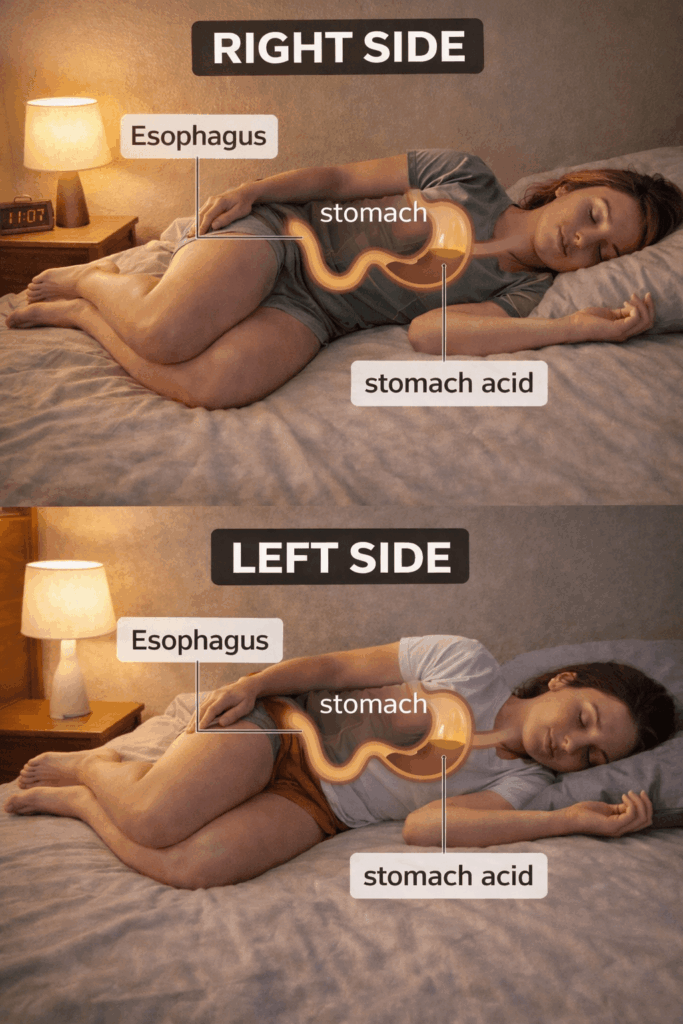
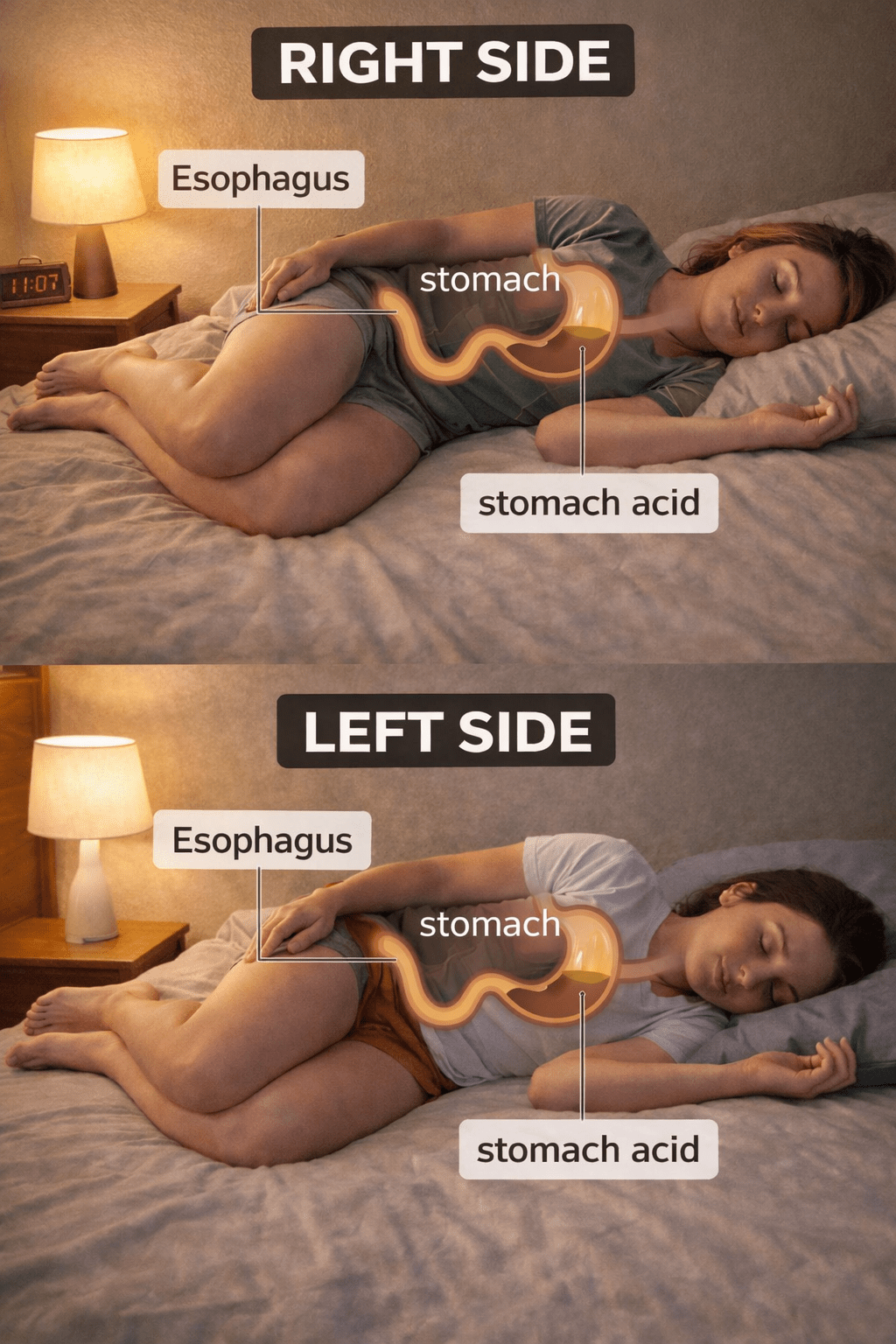
Your digestive tract is arranged in a way that makes gravity important while you are lying down. The stomach is located primarily on the left side of the body and connects to the esophagus through a ring of muscle known as the lower esophageal sphincter.
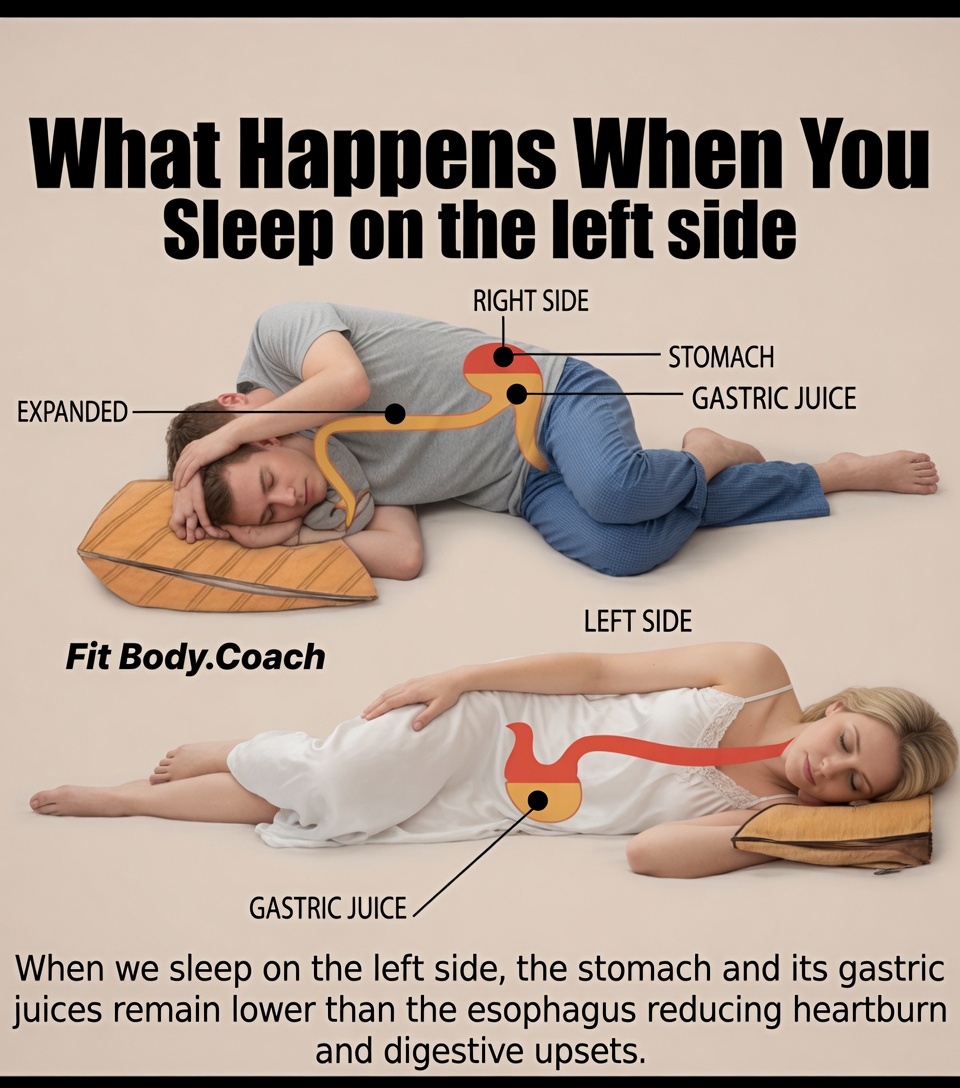
When you sleep on your right side, the position of the stomach may allow its contents to sit closer to the opening of the esophagus. During sleep, swallowing slows and movement decreases, so any acid that escapes has an easier time lingering where it should not.
By contrast, sleeping on your left side places the stomach lower than the esophageal entry point. In that position, gravity helps keep stomach contents down where they belong. That is why many people notice a clear difference in comfort depending on which side they sleep on.
Researchers studying sleep and digestion have repeatedly found that body position can influence overnight acid movement. For people who deal with occasional reflux or digestive discomfort before bed, this is an important detail to keep in mind.
What Research Says About Left-Side vs. Right-Side Sleeping
Scientific studies have examined the connection between sleep posture and acid exposure in the esophagus, and the results are compelling. A 2023 systematic review published in the World Journal of Clinical Cases reported that sleeping on the right side was linked to longer periods of acid exposure compared with lying on the left.
Additional findings from Amsterdam University Medical Center in 2022 showed that acid cleared more quickly when participants rested on their left side. In other words, even when reflux occurred, the body was able to resolve it faster in that position.
Here is a simple comparison:
- Right-side sleeping: May slow acid clearance and increase the amount of time acid stays in contact with the esophagus.
- Left-side sleeping: Associated with shorter acid exposure and faster return of stomach contents to the stomach.
- Back or stomach sleeping: Often considered neutral or less helpful than left-side sleeping for many people.
These conclusions come from monitored sleep studies that measured acid levels throughout the night. Although individual results can differ, the overall pattern suggests that sleep position can influence how comfortable and rested you feel by morning.
Why Left-Side Sleeping May Improve Overnight Digestion
Turning onto your left side works with your body’s natural anatomy rather than against it. Because the stomach sits below the esophagus in this position, gravity can help reduce the upward movement of acid while you sleep.
Many people who consistently adopt this posture report fewer unpleasant digestive sensations at night and less heaviness when they wake up. It is a simple physical advantage that does not require medication or major lifestyle disruption.
A 2022 study in The American Journal of Gastroenterology found that people who spent more time sleeping on their left side experienced fewer sleep interruptions related to digestive discomfort. More stable sleep often means better energy, improved focus, and less grogginess the next day.

Other potential benefits people often notice include:
- Less lingering chest discomfort in the morning
- Fewer wake-ups caused by reflux symptoms
- A greater sense of calm and physical ease during the night
These improvements may not happen instantly, but they often become more noticeable as the body gets used to the new sleeping position.
How to Train Yourself to Sleep on Your Left Side
Changing your usual sleep posture does not have to be difficult. With a few simple adjustments, most people can gradually make the switch within a week or two.
1. Set up your bed for support
Use pillows to make the position more comfortable and stable. A pillow between your knees can help keep your hips aligned, while another in front of your chest can support your arms and reduce strain.
This arrangement can also make it less likely that you roll onto your back or right side during the night.
2. Start the night on your left side on purpose
At bedtime, lie down facing left and stay mindful of your posture for the first few minutes. Slow breathing can help you relax into the position.
Some people find it easier to build the habit by reading, listening to soothing audio, or winding down in that posture before falling asleep.
3. Slightly raise the head of the bed if needed
If reflux is a frequent problem, mild elevation may offer extra relief. Raising the head of the bed by about 6 to 8 inches with sturdy blocks or using a wedge pillow can help support gravity’s role even more.
This approach often works especially well when combined with left-side sleeping.
4. Use gentle reminders in the beginning
A body pillow behind your back can act as a soft barrier to prevent rolling over. Some people also use a quiet middle-of-the-night alarm as a reminder to readjust, though this may not be necessary for everyone.
5. Pay attention to how you feel each morning
Keep a brief note of your sleep quality, energy, and any digestive symptoms after waking. Tracking small improvements can make it easier to stay motivated and reinforce the habit naturally.
Most people who stick with it adjust within 7 to 14 days. The key is consistency, not perfection.
Habits That Work Well Alongside Left-Side Sleeping
Your sleep position is only one part of better nighttime digestion. A few daytime and evening choices can strengthen the benefits.
Try these supportive habits:
- Avoid large meals within three hours of going to bed
- Choose light evening snacks if needed, such as a banana or a small handful of almonds
- Drink more fluids earlier in the day instead of right before bedtime
- Take a gentle walk after dinner to encourage smoother digestion
These small routines can help reduce nighttime discomfort and make it easier to stay comfortable in your new sleep position.
A Simple Sleep Change That May Make a Big Difference
Adjusting the way you sleep is one of the easiest ways to support digestion overnight. Based on both anatomy and research, left-side sleeping appears to be a helpful option for many people who deal with nighttime acid reflux or related discomfort.
It is a small change, but the results can be surprisingly noticeable. Try it consistently for a couple of weeks and see whether your nights become calmer and your mornings more comfortable.
Frequently Asked Questions
Can sleeping on my right side every night really worsen reflux?
For some people, yes. Research suggests that right-side sleeping may keep acid in contact with the esophagus for longer than left-side sleeping. Still, personal experience varies, so it is best to observe how your own body responds.
How long does it take to get used to sleeping on the left side?
Most people adapt in about one to two weeks. Pillows, body support, and starting each night intentionally on the left side can make the transition easier.
Is it helpful to combine left-side sleeping with raising the head of the bed?
Yes. Many people find that using both strategies together provides better support. A slight incline combined with left-side sleeping can further reduce the chance of acid moving upward during the night.