Why You Should Add Vinegar to Rice Cooking Water
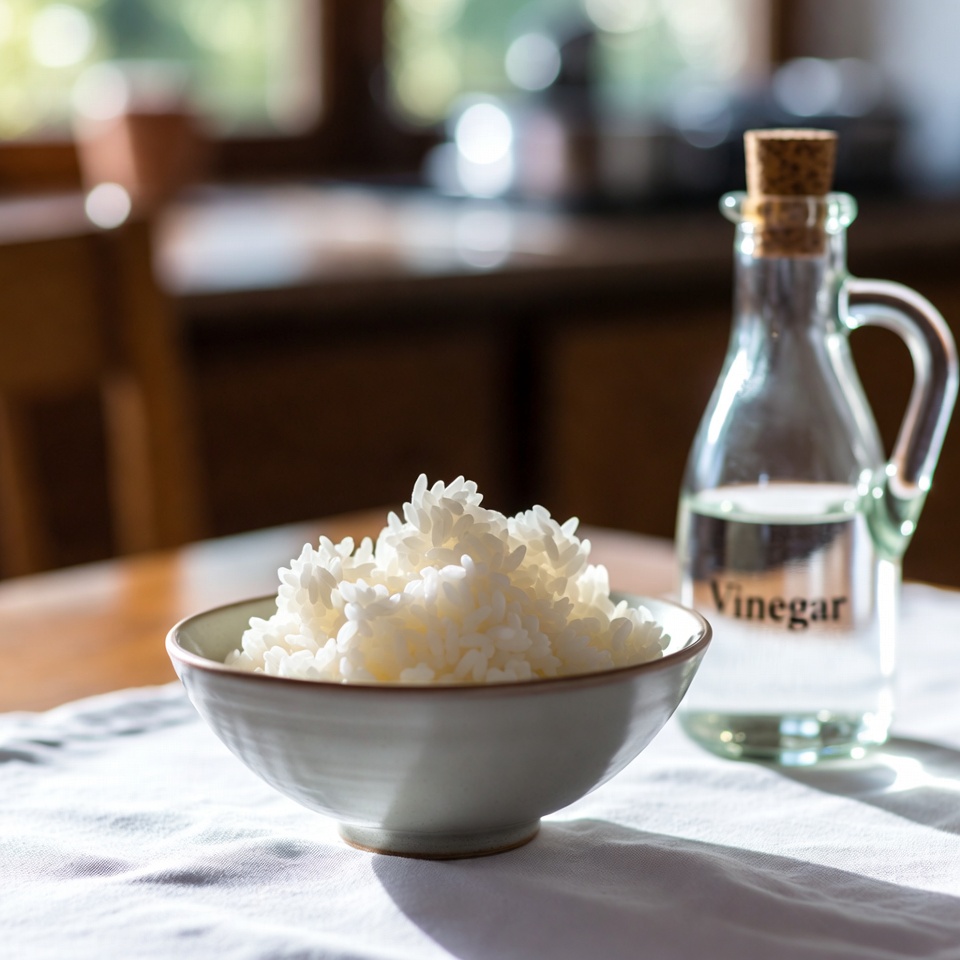
Pouring a small amount of vinegar into the water when you cook rice might seem unusual, but it can completely change the way your rice turns out. This simple trick can improve texture, enhance taste, and even offer potential health benefits.
Below are the main reasons to cook rice with a splash of vinegar—and how this tiny addition can elevate every bowl you serve.
Key Benefits of Adding Vinegar to Rice
1. Makes Rice Fluffier and Less Sticky
- Vinegar helps break down some of the excess surface starch on the rice grains.
- This reduces clumping, so the rice doesn’t turn into a gummy or sticky mass.
- The result is lighter, fluffier rice, with grains that stay more distinct and separate.
- This method is especially effective with white rice varieties such as jasmine and basmati.
TIP: Use about 1 teaspoon of vinegar for each cup of uncooked rice to improve the texture.
2. Enhances Flavor Without Overpowering
- A small amount of vinegar gently brightens and balances the overall flavor of the rice.
- It can make the rice taste cleaner, slightly more aromatic, and less flat.
- This is particularly useful for dishes where the rice is a key component, such as sushi rice, stir-fries, rice bowls, and salads.
TIP: Apple cider vinegar or rice vinegar are excellent choices if you want a mild, delicate flavor that won’t dominate the dish.
3. Helps Rice Stay Fresh Longer
- Vinegar works as a natural preservative, creating a slightly more acidic environment that can slow the growth of certain bacteria.
- This helps cooked rice maintain its freshness for a longer period.
- It’s especially handy if you cook large batches of rice for meal prep or plan to store leftovers in the fridge.
TIP: When making rice for later use—such as for lunch boxes, weekly meal prep, or next-day fried rice—adding a bit of vinegar can help keep it fresher.
4. May Help Reduce the Glycemic Impact (Support for Blood Sugar Control)
- Adding vinegar to rice may slightly lower the meal’s overall glycemic response, meaning it could help reduce how quickly blood sugar rises after eating.
- This effect is linked to acetic acid (the main component of vinegar), which some studies suggest can improve how the body processes carbohydrates.
While vinegar is not a substitute for medical advice or treatment, including a small amount in your rice-cooking routine can be a simple step that supports more balanced meals.