Protein and CKD: Why the Source Matters
Protein plays a central role in repairing body tissues, preserving muscle mass, and helping the body function well. But for people with chronic kidney disease (CKD), protein intake needs closer attention. When protein is broken down, it creates waste products such as urea and phosphorus. If kidney function is reduced, clearing these substances becomes more difficult.
Because of this, eating too much protein—or choosing certain types too often—can increase the workload on the kidneys.
Studies from organizations such as the National Kidney Foundation, along with scientific reviews, suggest that plant-based protein may offer advantages for kidney health. Compared with many animal proteins, plant proteins usually create a lower acid load and contain phosphorus that is less easily absorbed by the body. This may help with issues often seen in CKD, including metabolic acidosis and high phosphorus levels.
Animal protein does provide all essential amino acids, but it also tends to produce more metabolic waste for the kidneys to process. In contrast, a varied plant-based approach can still supply strong nutritional value while potentially being gentler on kidney function.
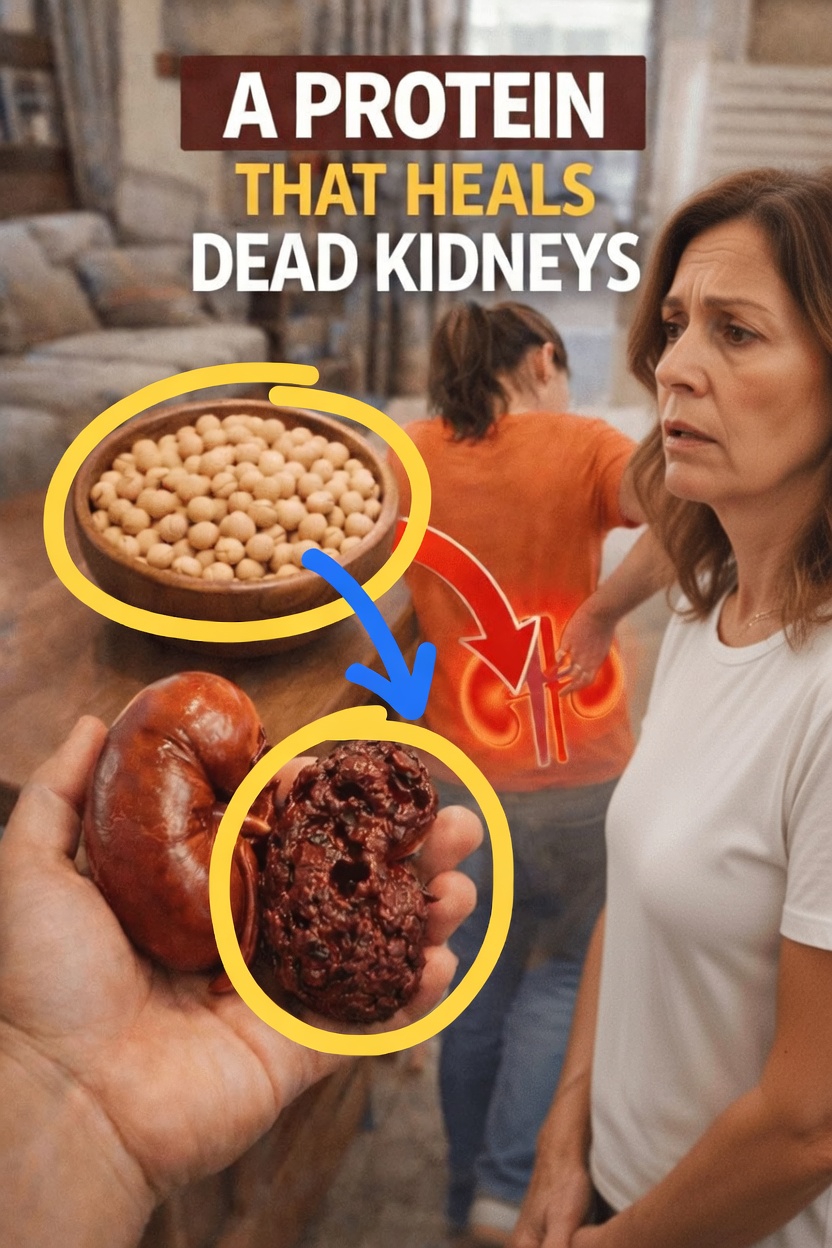
Soybeans: A Strong Plant-Based Protein Choice
Among plant proteins, soybeans are especially notable. Soy provides complete protein, meaning it contains all essential amino acids, much like animal-based foods. At the same time, it is naturally free of cholesterol and generally low in saturated fat.
A number of studies, including meta-analyses of randomized trials, have explored the role of soy protein in CKD. Some findings suggest that soy may help support healthier serum creatinine and phosphorus levels in people with pre-dialysis kidney disease. Research in animal models has also shown possible reductions in proteinuria and kidney fibrosis. Human reviews further indicate that soy may be a useful alternative to animal protein when trying to manage factors linked to CKD progression.
Soy is also practical in everyday meals. Foods such as tofu, tempeh, edamame, and soy milk are flexible, easy to cook with, and suitable for many reduced-protein or moderate-protein eating plans often recommended for CKD.
Still, soy is not a universal solution. The right amount depends on the stage of CKD, lab values, and individual health needs. Moderation and professional guidance remain important.
Four Plant-Based Proteins to Consider
Research often highlights several plant-based proteins as potentially supportive options for people managing kidney health. When used thoughtfully, these foods can help meet protein needs without placing unnecessary strain on the kidneys.
-
Soybeans and soy products
- Soy delivers high-quality protein and beneficial compounds such as isoflavones.
- Some studies associate soy intake with a lower phosphorus burden and improved lipid levels.
-
Lentils and beans
- These foods supply both protein and fiber.
- Their phosphorus is plant-based, which means it is generally less absorbable than phosphorus from animal foods.
-
Nuts and seeds in small portions
- They provide protein along with heart-healthy fats.
- Unsalted choices are best for keeping sodium under control.
-
Whole grains such as quinoa or barley
- These grains contribute modest amounts of plant protein.
- They also add fiber, which supports digestion and overall balance in the diet.
Using a mix of these foods can help create a more complete amino acid profile while promoting variety in meals.
Six Protein Sources to Limit or Watch Closely
Some protein-rich foods may be harder on the kidneys because of their higher saturated fat content, acid load, sodium, or waste byproducts. In general, these are the protein sources that often require more caution:
-
Red and processed meats
- These are commonly high in saturated fat, sodium, and phosphorus.
-
Organ meats
- They contain very high amounts of protein and purines.
-
High-fat dairy products
- Whole milk and many cheeses can contribute extra saturated fat and phosphorus.
-
Deli meats and bacon
- These products are usually packed with sodium and preservatives.
-
Fried or fatty poultry and fish dishes
- Added fats may work against both heart and kidney health goals.
-
Too many protein supplements, especially animal-based formulas
- Overusing supplements can increase kidney workload without clear benefit.
Individual needs can differ significantly, so it is always best to tailor choices with help from a doctor or renal dietitian.
How to Add Soybeans to Your Daily Diet
If you want to include soy in your meals, start gradually and pay attention to how it fits into your kidney plan. A simple approach can make the transition easier.
-
Talk with your doctor or renal dietitian first
- Ask about portion sizes based on your CKD stage, lab results, and total daily protein target.
-
Pick minimally processed, lower-sodium soy foods
- Good options include plain tofu, fresh edamame, and unsalted soy nuts.
-
Start with modest servings
- Try about 1/4 to 1/2 cup a few times each week as a replacement for part of an animal-protein meal.
-
Combine soy with vegetables and grains
- Add tofu to a stir-fry or toss edamame into a salad or grain bowl.
-
Check food labels carefully
- Some processed soy products may contain added potassium, phosphorus, or sodium.
-
Keep portions within your protein prescription
- For many people with non-dialysis CKD, protein intake is often kept around 0.6 to 0.8 grams per kilogram of body weight, though exact needs vary.
Even small substitutions can help. Swapping tofu for chicken in a familiar dish, for example, can make meals feel satisfying while better matching a kidney-friendly eating style.
Extra Tips for a Kidney-Friendly Eating Pattern
Protein is only one part of the picture. These habits can also support better kidney health:
- Stay hydrated, but follow your healthcare provider’s guidance on fluid intake.
- Limit sodium to less than 2,300 mg per day.
- Choose fruits and vegetables carefully, especially lower-potassium and lower-phosphorus options if needed.
- Build balanced plates
- Half vegetables
- One-quarter protein
- One-quarter grains
Small, steady improvements are often more effective than drastic changes. Over time, simple habits can make a meaningful difference.
Enjoy Food While Supporting Kidney Health
Living with CKD does not mean giving up enjoyable meals. It means learning how to choose foods more strategically to support long-term well-being. For many people, plant-based proteins—especially soybeans—can add flexibility, variety, and better balance to the diet.
With the right guidance and portion control, these choices may help reduce kidney burden while still providing the protein your body needs.
Frequently Asked Questions
Is soy safe for everyone with kidney problems?
Soy appears helpful in many studies involving pre-dialysis CKD, but it is not automatically right for every person. You should speak with your doctor, especially if you need to monitor potassium, phosphorus, or have hormone-related concerns.
How much protein should I eat each day if I have CKD?
That depends on your stage of kidney disease and your overall health status. For many people with non-dialysis CKD, daily protein is often moderated to 0.6 to 0.8 grams per kilogram of body weight. A renal dietitian can calculate a more accurate target for you.
Can plant protein fully replace animal protein?
A well-planned diet using a variety of plant proteins can provide complete nutrition. However, it is important to work with a healthcare professional to make sure your diet stays balanced and meets your nutrient needs.