Why Peeing After Sex Can Support Urinary Comfort
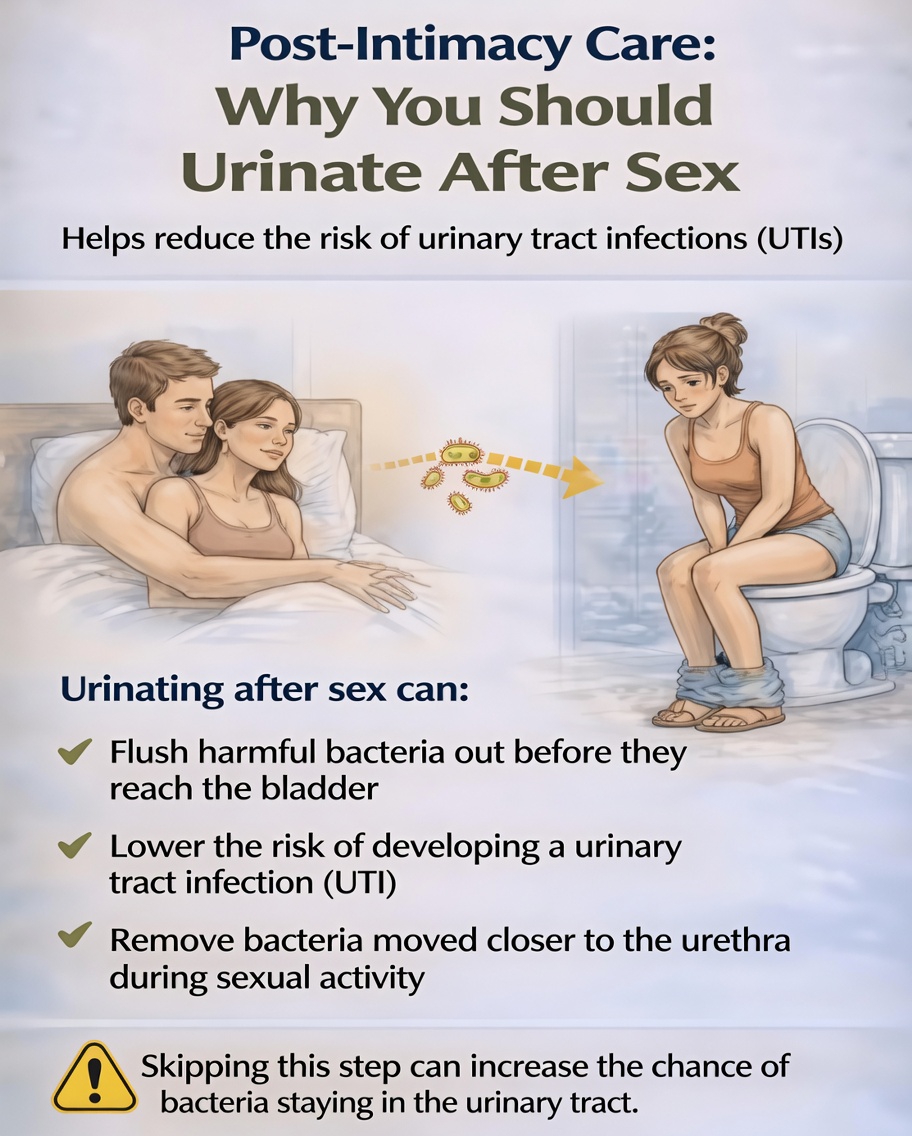
Many people have felt a little discomfort after intimacy, such as a light stinging feeling or the sudden need to urinate that interrupts a calm, relaxed moment. Even when it is mild, that sensation can linger and leave you wondering whether a simple habit might have helped. One of the easiest habits to consider is urinating after sex. Doing so may help wash out bacteria that reach the urethra during sexual activity, offering gentle support for the urinary tract.
What often gets overlooked, however, is that this habit works best as part of a broader routine of intimate wellness. And interestingly, it also connects to other daily practices that can influence comfort in ways many people do not expect.
How Intimacy Can Affect the Urinary Tract
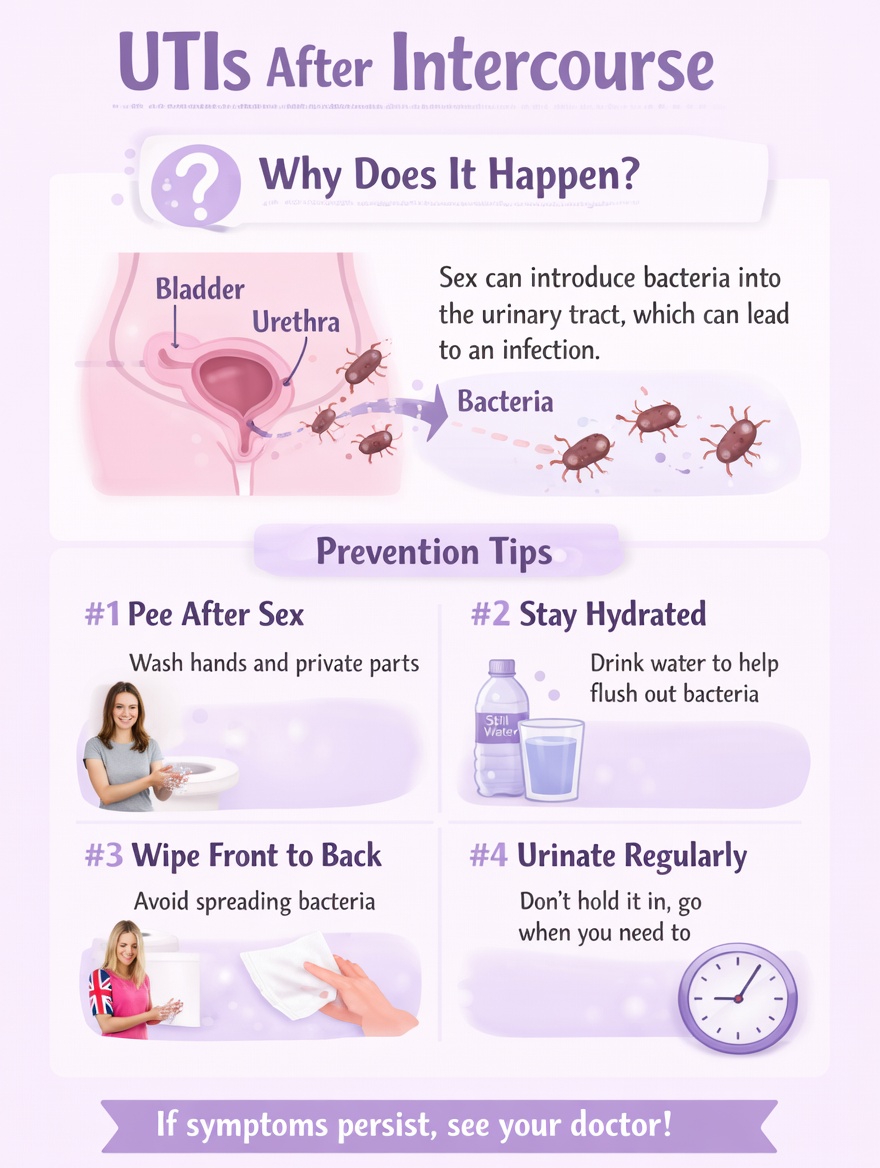
The urinary tract is made up of the urethra, bladder, and kidneys. In women, the urethra is shorter and located close to both the vaginal opening and the anus. Because of this anatomy, movement during sex can sometimes shift bacteria from the surrounding skin or genital area closer to the urethra.
That does not mean intimacy automatically causes urinary problems. Many people have sex regularly without any issues at all. Still, for those who deal with repeated post-sex discomfort, small preventive habits can feel helpful and reassuring.
Clinical experience and research suggest that urinating soon after intercourse may help clear bacteria before they have a chance to remain in place. An older study involving college-age women found that those who did not usually urinate after sex reported urinary discomfort more often than those who did. Although research findings are not identical across every study, many healthcare professionals continue to recommend this step because it is simple, safe, and easy to do.
Why This Simple Habit Is Practical
Urine acts like a natural rinse created by the body. As it passes through the urethra, it may help carry away bacteria or other particles that could otherwise stay behind. Since urine is normally sterile, this process offers a basic mechanical benefit without requiring products, treatments, or complicated routines.
Timing also plays an important role. If you wait too long, bacteria may have more time to travel upward. For many people, urinating within about 15 to 30 minutes after sex seems to be the most useful approach.
This is especially relevant for women because the shorter urethra gives bacteria less distance to travel. Adding this step takes almost no time, costs nothing, and works with the body’s own natural defenses.
How to Make Peeing After Sex Part of Your Routine
Building this habit does not need much effort. It becomes easier when you connect it with the natural winding-down period after intimacy.
Try these simple steps:
- After sex, take a brief moment to relax and then go to the bathroom.
- Attempt to empty your bladder fully, even if the urge is not very strong.
- Drink a glass of water earlier in the evening so urinating feels easier afterward.
- Wipe from front to back once you are done to help prevent bacteria from moving toward the urethra.
Some people also like to pair this habit with a quick shower or a gentle rinse using plain water. Together, these steps can help maintain a clean, comfortable feeling.
Still, urinating after sex is only one part of the picture. Other everyday choices can also contribute to urinary tract wellness.
Everyday Habits That Help Support Urinary Tract Health
Small actions can make a meaningful difference over time. Many people find these habits supportive:
- Drink enough water throughout the day. Pale yellow or nearly clear urine can be a gentle sign of good hydration.
- Go to the bathroom when you first feel the urge instead of holding urine for too long.
- Always wipe from front to back after using the toilet.
- Wear breathable cotton underwear and avoid very tight clothing that traps heat and moisture.
- Rinse the genital area with plain water after sweating heavily or after exercise.
When combined with peeing after sex, these habits help create a more balanced daily routine for urinary comfort.
A Quick Look at Helpful Urinary Wellness Habits
Here is how a few common habits support comfort in different ways:
- Peeing after sex: Helps flush the urethra at a time when bacteria may have been introduced.
- Daily hydration: Keeps urine moving regularly and supports the urinary system throughout the day.
- Front-to-back wiping: Reduces the chance of bacteria from the anal area reaching the urethra.
- Breathable clothing: Helps limit moisture buildup, especially in warm weather or after physical activity.
Using several of these habits together often feels more natural and effective than relying on just one.
The Unexpected Connection Between Urinary Comfort and Vaginal Balance
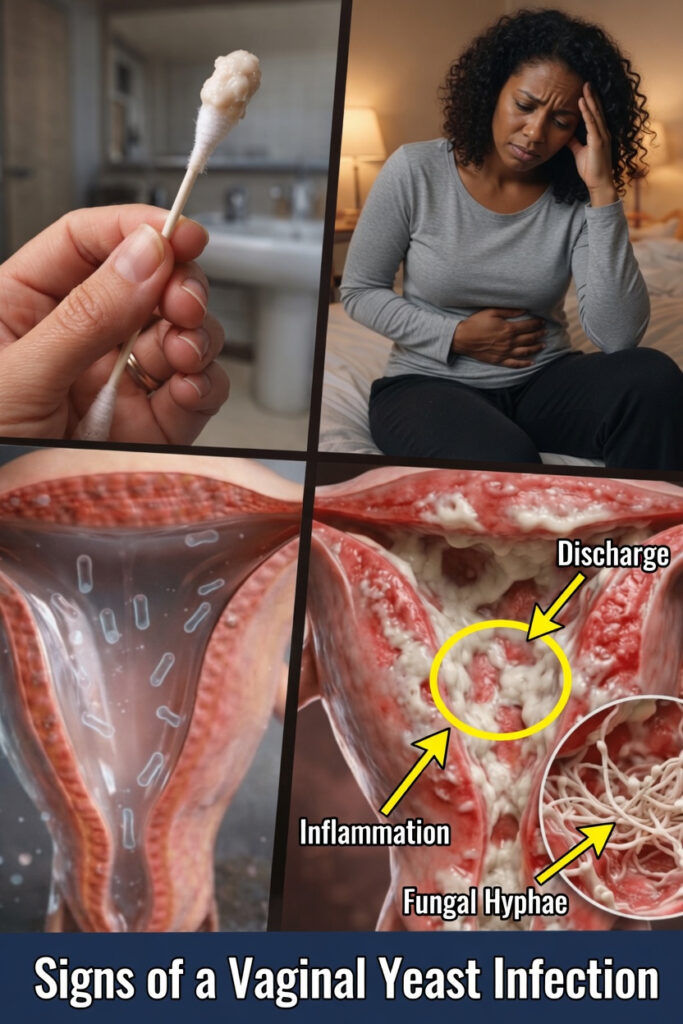
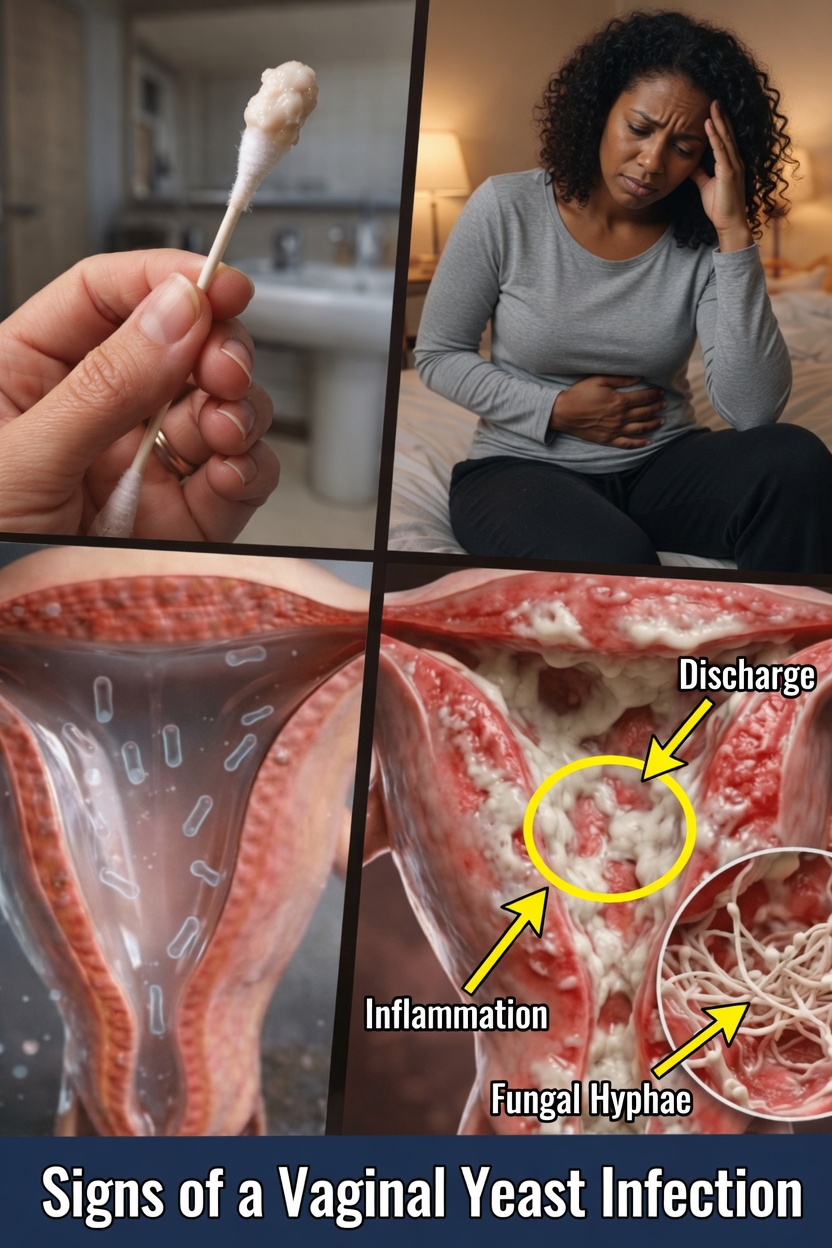
Urinary discomfort does not always happen in isolation. Some people also notice changes such as irritation, unusual discharge, or a feeling of burning in the vaginal area. One common example is thick, white, clumpy discharge paired with itching or soreness. These symptoms often suggest a shift in vaginal balance, which is separate from the urinary tract but closely nearby.
Caring for one area may indirectly benefit the other. For example, staying hydrated and practicing gentle hygiene can support both healthy urination and vaginal comfort. Some people notice that when they pay attention to habits like peeing after sex and managing moisture carefully, they experience fewer overlapping symptoms.
This is why a more complete approach often works best. The body’s systems are connected, and small positive habits in one area can support comfort elsewhere too.
Why So Many People Swear by This Habit
A lot of women say that once they started urinating after sex, they noticed less of that familiar post-intimacy discomfort. A common reason this habit stands out is that it offers peace of mind without changing the enjoyable aspects of intimacy.
Healthcare professionals often explain that while this habit does not guarantee prevention for every person in every situation, it is harmless, free, and consistent with the body’s own cleansing process. That is exactly why it remains one of the most commonly suggested wellness tips.
Easy Ways to Keep the Habit Consistent
Busy schedules can make healthy routines easy to forget. If you want to make this one stick, these tips may help:
- Put a reminder near your bed or in the bathroom when you are first building the habit.
- Treat it as part of aftercare, a simple way to reconnect with your body and unwind.
- Talk with your partner about it so it becomes a normal, shared part of ending the moment together.
With time, this step often becomes automatic, much like brushing your teeth or washing your hands.
Common Questions About Peeing After Sex
How soon should I pee after sex?
Many people try to urinate within 15 to 30 minutes. In general, going sooner may be more helpful because it can clear the area while bacteria are less likely to have settled.
Does this help everyone equally?
It is discussed most often for women because female anatomy can make bacterial movement to the urethra easier. That said, anyone can adopt the habit. People who frequently notice urinary discomfort may be the most likely to find it useful.
Can this replace other urinary wellness habits?
No. Peeing after sex is best viewed as one helpful step rather than a complete solution. It works better when combined with hydration, gentle hygiene, and breathable clothing.
Is there any disadvantage to doing this regularly?
For most people, there is no real downside. It is a normal body function and does not require extra money, products, or complicated planning.
What if I do not feel the urge right away?
It can help to drink water earlier and give yourself a few calm minutes. Often, the urge appears naturally once your body relaxes.
Final Thoughts: A Small Step That Can Make a Big Difference
Peeing after sex is a quiet but practical habit that may help support urinary tract comfort with almost no effort. When you combine it with good hydration, simple hygiene, and other supportive daily choices, it becomes part of a lifestyle that helps you feel more comfortable and confident in your body.
The best part is how easy it is to begin. You do not need to buy anything or prepare in advance. Sometimes the smallest habits, practiced consistently, offer the greatest sense of control and everyday well-being.