
Why Your Bladder Matters After Sex
Many women notice discomfort, burning, or more frequent bathroom trips after intimacy. It can feel discouraging when something meant to be pleasurable is followed by worry about your urinary tract.
Because the urethra (the tube that carries urine out of the body) sits very close to the vaginal and anal areas, bacteria can more easily reach it during sexual activity. That doesn’t always lead to a problem, but it can increase the chances of irritation or urinary tract infections (UTIs) for some people.
One simple habit is highlighted again and again in health advice: peeing soon after sex.
The encouraging news is that this small, low-effort step may help your body naturally flush out unwanted bacteria. Below, you’ll learn how this habit fits into everyday urinary care, who it may help most, and other easy ways to support your urinary comfort.
A Quick Look at Your Urinary Tract
Your urinary system filters waste, balances fluids, and removes toxins all day long. It includes:
- Kidneys – filter the blood and create urine
- Ureters – carry urine from the kidneys to the bladder
- Bladder – stores urine until you’re ready to go
- Urethra – the short tube that carries urine out of the body
In women, the urethra is:
- Shorter than in men
- Physically closer to the vagina and anus
This natural anatomy means that bacteria from the skin, genital area, or nearby regions can travel to the urethral opening more easily.
During sexual activity—whether it’s penetrative sex, oral sex, or manual stimulation—friction and contact can:
- Move bacteria closer to the urethra
- Potentially push bacteria into the urethral opening
Major health organizations and medical sources point out that this is one reason urinary symptoms can appear after sex in some people.
The positive side: your body has its own defense systems, and simple daily habits can help those defenses work more effectively.
How Peeing After Sex May Help Protect Your Urinary Tract
When you urinate soon after sex, the stream of urine can act like a natural rinse for the urethra. By flushing through the urinary tube, it may help wash away bacteria that were introduced during intimacy before they have time to multiply or move toward the bladder.
Health resources such as WebMD, Cleveland Clinic, and Mayo Clinic frequently mention peeing after sex as:
- A gentle way to help clear out potential irritants
- A low-risk, low-effort habit that can support urinary tract health
Research findings are mixed:
- Some older case-control studies suggest a possible reduction in risk for people who don’t have frequent UTIs.
- Broader reviews note that strong, definitive evidence is limited and results vary from person to person.
Even so, many healthcare professionals still suggest urinating after intercourse because:
- It’s easy
- It doesn’t cost anything
- It supports your body’s natural cleansing process
For people who repeatedly notice urinary discomfort linked to sex, this habit is often discussed alongside other preventive strategies—not as a cure-all, but as part of a bigger routine.
Who Might Benefit Most From Peeing After Sex?
While anyone can adopt this habit, it tends to be especially relevant for:
- Women who often feel urinary discomfort after intimacy
- Those with occasional UTIs or urinary irritation in the past
- People with sensitive urinary systems who are looking for simple preventive options
- Anyone who wants an easy, everyday way to support urinary comfort
Men can also benefit, since peeing after sex can help clear the urethra regardless of anatomy. However, men typically have a longer urethra and generally a lower risk of UTIs.
If you like to cuddle or rest right after sex, you don’t need to jump out of bed immediately. The habit is flexible: going to the bathroom within a short window is usually considered helpful.
How to Turn It Into a Simple Post-Sex Routine
You don’t need an elaborate plan to build this into your life. Here’s a straightforward approach:
-
Pause and enjoy the moment
Take a minute or two to relax with your partner if you’d like. There’s no need to rush. -
Aim to pee within about 15–30 minutes
Many guidelines suggest that peeing sooner rather than later may offer more potential benefit. -
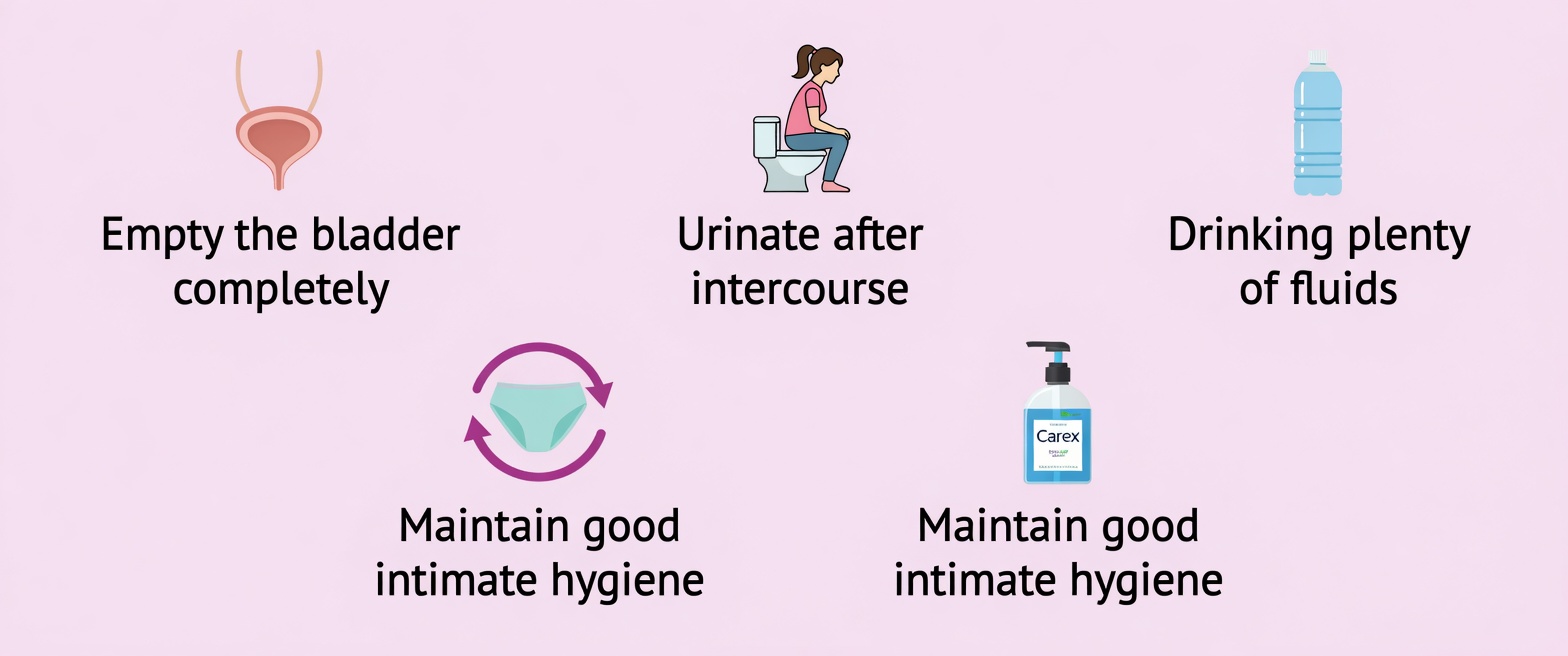
Empty your bladder fully
Let your bladder drain without straining. The natural flow is what helps flush the urethra. -
Wipe from front to back
This helps prevent bacteria from the anus or surrounding skin from being carried toward the urethral area. -
Drink some water afterward
Staying hydrated encourages regular urination, which keeps things moving through your system.
After a short time, this routine often becomes as automatic as brushing your teeth—small, consistent, and easy to maintain.
Other Everyday Habits for Better Urinary Comfort
Peeing after sex is only one piece of the urinary health puzzle. Combining it with other daily habits can offer more support.
Consider adding these practices:
-
Drink enough water
Aim for around 6–8 glasses a day (or as advised by your provider) to keep urine flowing and less concentrated. -
Don’t hold your pee for too long
Regularly emptying your bladder helps reduce the chance for bacteria to build up. -
Wear breathable underwear
Cotton or moisture-wicking fabrics allow airflow and help keep the area dry, which is less friendly to bacteria. -
Use gentle, unscented products
Harsh soaps, douches, or heavily perfumed products can disrupt the natural balance of the genital area. -
Always wipe front to back
This simple hygiene habit reduces the chance of moving bacteria toward the urethra.
Here’s how daily habits and post-sex habits work together:
-
Daily habits:
- Stay well hydrated
- Empty your bladder regularly
- Practice gentle, consistent hygiene
-
After-sex habits:
- Pee soon after intimacy
- Wipe from front to back
- Continue to drink water throughout the day
Over time, these combined steps can create a stronger, more reliable routine for urinary comfort.
What the Research Does—and Doesn’t—Show
Many reputable health organizations include peeing after sex on their lists of reasonable, low-risk recommendations, especially for people who seem to get UTIs related to intercourse.
Current research suggests:
- Possible modest benefit in certain groups, such as women who experience occasional UTIs related to sex
- No guarantee that this habit will prevent infections in everyone
What we know for sure:
- Peeing after sex is considered safe for most people
- It’s quick, free, and easy
- It works with your body’s natural mechanisms rather than against them
Because it has virtually no downside, many experts view it as a sensible supportive habit—even though it’s not a perfect shield against all urinary problems.
When You Should See a Healthcare Professional
While lifestyle habits are helpful, they are not a substitute for medical care. Talk to a healthcare provider if you experience:
- Burning or pain when you pee
- Needing to urinate very frequently
- Cloudy, strong-smelling, or bloody urine
- Pelvic, lower abdominal, or back discomfort
- Fever or feeling unwell along with urinary symptoms
These signs may indicate an infection or another condition that requires professional evaluation and possibly treatment.
Remember: peeing after sex is a preventive strategy, not a treatment. If symptoms persist or keep coming back, medical guidance is important.
Final Thoughts: One Small Habit, More Peace of Mind
Supporting your urinary tract health doesn’t have to mean complicated routines or expensive products. A quick visit to the bathroom after sex is a small, practical step that fits naturally into everyday life.
When you combine:
- Peeing after intimacy
- Good hydration
- Smart hygiene habits
- Paying attention to your body’s signals
you create a simple but powerful toolkit for greater comfort and confidence.
You’re not aiming for perfection—just consistent, doable steps that work for you.
Frequently Asked Questions
Does peeing after sex completely prevent UTIs or other urinary issues?
No. Peeing after sex does not guarantee full protection from UTIs or other urinary problems. However, it may help flush out bacteria and support your body’s natural defenses, especially when paired with other healthy habits like hydration and proper hygiene.
Is this habit helpful for men as well?
Yes. While men are generally at lower risk for UTIs due to a longer urethra, urinating after sex can still:
- Help clear the urethra of bacteria or irritants
- Support overall urinary tract cleanliness
So it’s a reasonable habit for anyone, regardless of gender.
What if I forget to pee after sex sometimes?
That’s okay. The goal is to build a realistic routine, not to be perfect. If you forget once in a while:
- Don’t panic or feel guilty
- Simply try to remember next time
- Continue focusing on other supportive habits like drinking enough water and maintaining good hygiene
Consistency over time matters more than what happens on any single day.