Why Nutrients Matter for Long-Term Eye Health
Healthy vision depends on a consistent intake of key nutrients. Major research, including the Age-Related Eye Disease Study (AREDS), has shown that antioxidants, vitamins, and minerals help defend the eyes against oxidative stress while supporting normal retinal performance. As people get older, the body’s protective systems may become less effective, which makes getting these nutrients from everyday foods increasingly valuable.
Seeds are especially useful because they deliver concentrated nutrition in small servings. They contain vitamin E, zinc, beneficial fats, and other important compounds that may help protect delicate eye tissues and support overall visual comfort.
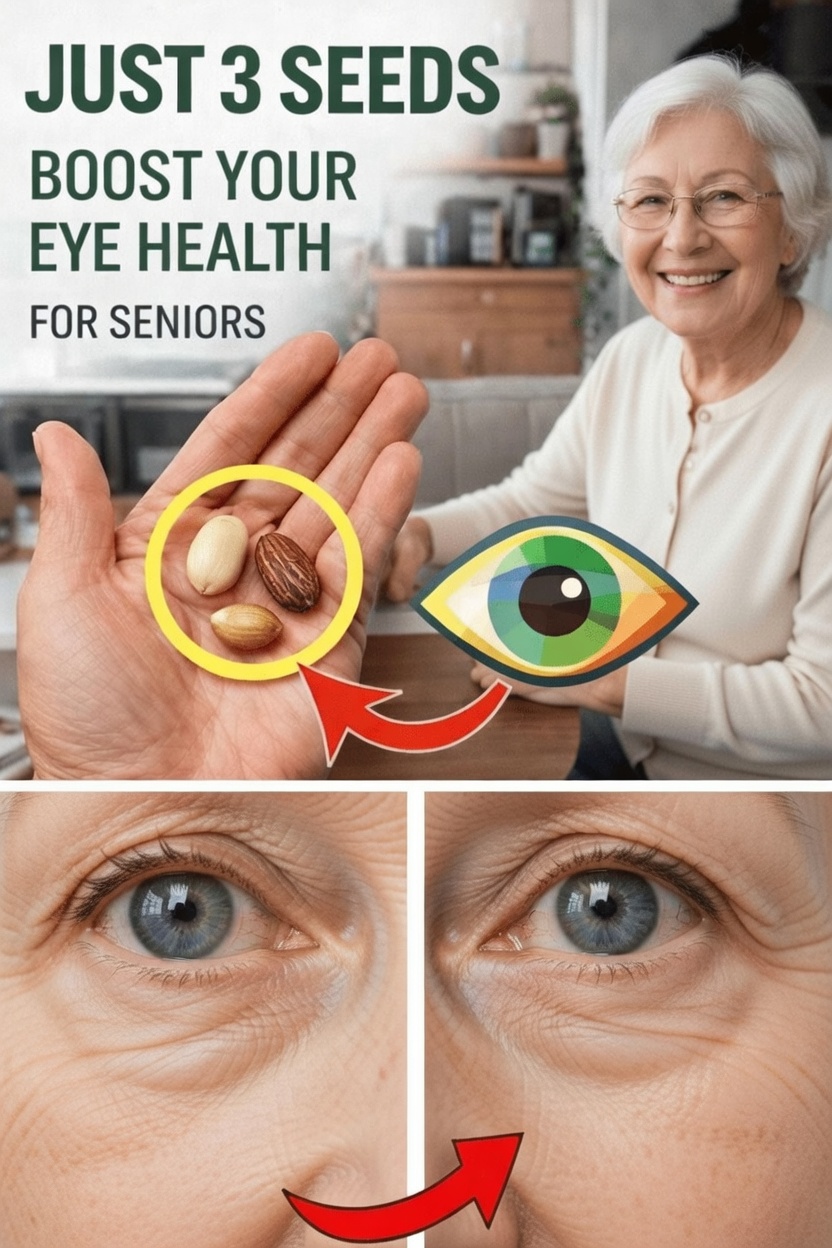
Three Seeds Worth Adding to Your Diet
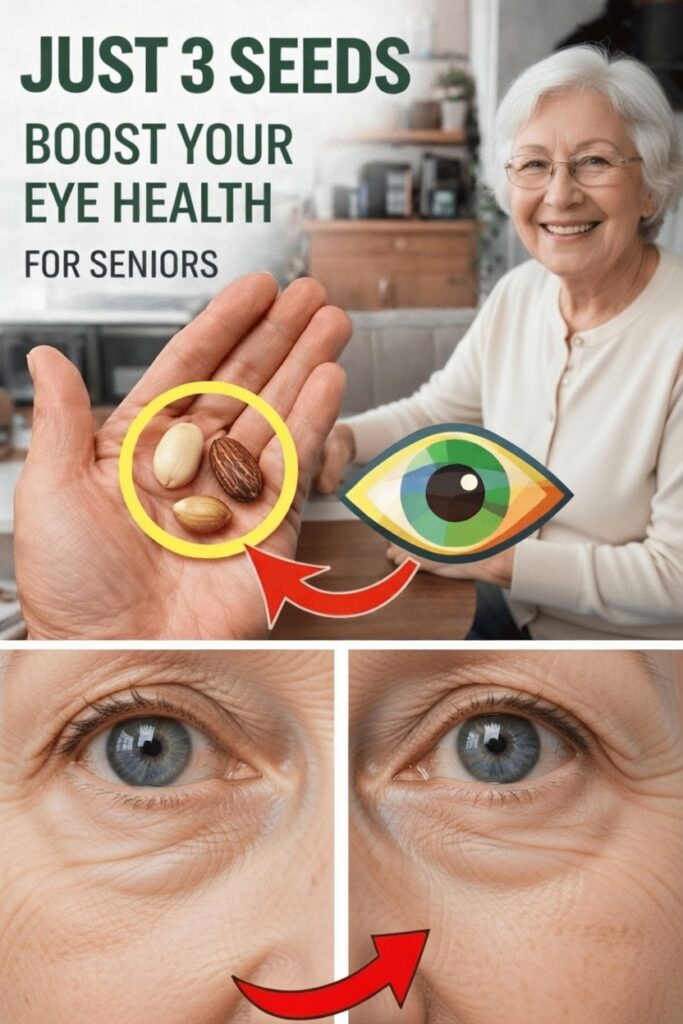
Many older adults already eat nuts and seeds as convenient snacks, but three options are often highlighted for their eye-supportive nutrition: almonds, walnuts, and pumpkin seeds. Each offers distinct benefits, and together they create a strong nutritional combination.
1. Almonds: Vitamin E for Cell Protection
Almonds are well known for their high vitamin E content. This antioxidant helps protect cells from daily wear and tear caused by free radicals. Research suggests that vitamin E may support eye health by lowering oxidative stress, a process that tends to build up with age.
A modest serving of almonds, about 1 ounce or roughly 23 nuts, provides close to half of the recommended daily vitamin E intake for adults. That makes them an easy and practical food to include in a regular diet.
In addition to vitamin E, almonds also contain healthy fats, which can help the body absorb fat-soluble nutrients more effectively.
2. Walnuts: Plant Omega-3s for Eye Support
Walnuts are among the top plant-based sources of omega-3 fatty acids, especially alpha-linolenic acid (ALA). Omega-3s are associated with healthy inflammatory balance and may also support circulation and overall eye comfort.
Nutrition research has linked diets rich in these fats with better long-term eye wellness. Even a small daily portion of walnut halves can make a useful contribution to nutrient intake.
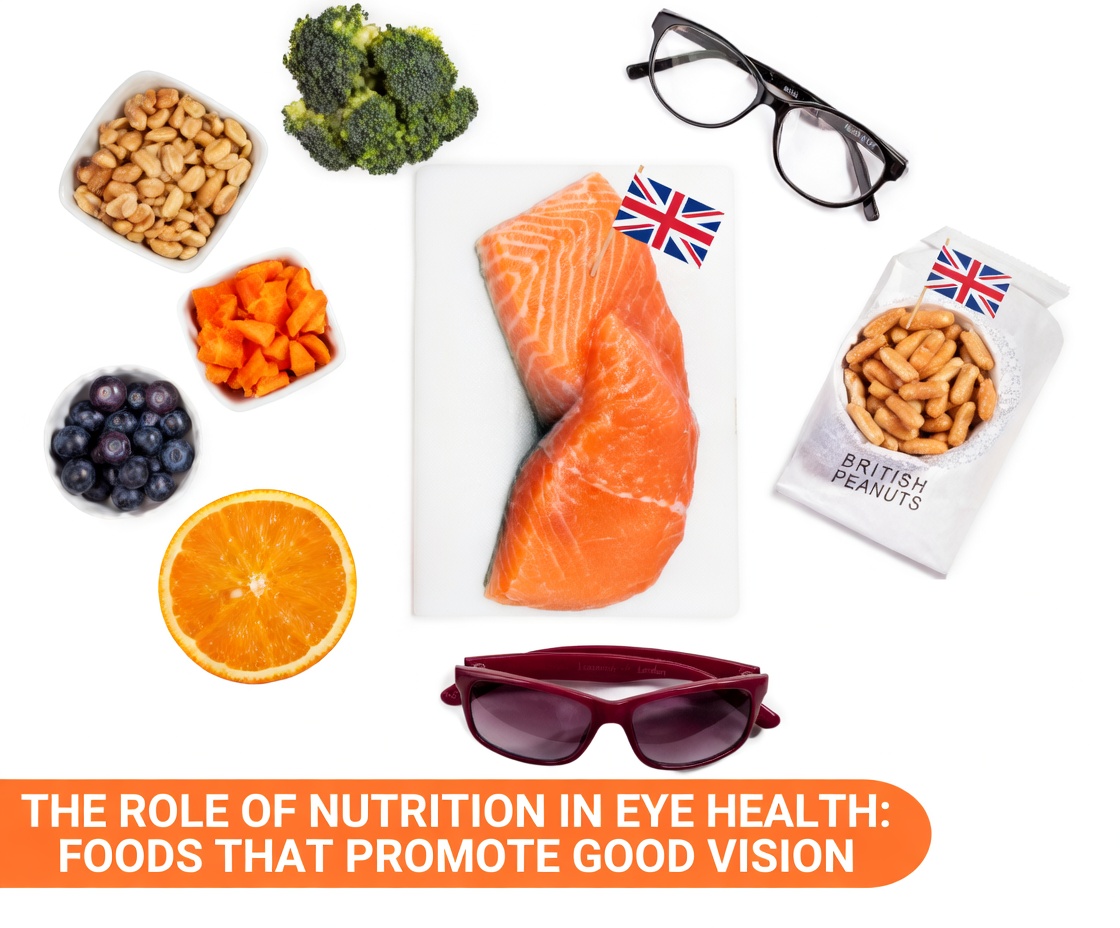
3. Pumpkin Seeds: Zinc for Retinal Function
Pumpkin seeds stand out for their zinc content. Zinc is a mineral found in high concentration in the retina, where it helps move vitamin A to eye tissues and supports normal visual function.
Organizations such as the National Eye Institute have emphasized zinc’s role in maintaining eye health. A small handful of pumpkin seeds can supply a meaningful amount of your daily zinc needs, making them a smart and simple option, especially for seniors.
Taken together, these three foods provide complementary support:
- Almonds offer antioxidant defense through vitamin E
- Walnuts provide omega-3 fats that support healthy inflammation balance
- Pumpkin seeds contribute zinc for retinal health
Quick Nutrient Comparison
Here is a simple overview of what a typical 1-ounce serving provides:
- Almonds: High in vitamin E and a moderate source of magnesium
- Walnuts: Rich in ALA omega-3s and antioxidants
- Pumpkin seeds: Excellent source of zinc and healthy fats
Including a mix of all three helps broaden your nutrient intake rather than relying on just one source.
Easy Ways to Eat More of These Seeds
Adding these foods to your daily routine does not require a major diet overhaul. Small, consistent servings are often the easiest way to build a healthy habit.
Try these practical ideas:
- Begin with a small portion: Aim for 1 to 2 tablespoons of mixed seeds once or twice a day
- Upgrade breakfast: Add chopped almonds or walnuts to oatmeal, yogurt, or cereal
- Choose a better snack: Keep roasted pumpkin seeds nearby for an afternoon bite
- Boost meals: Toss any of these seeds into salads, stir-fries, or homemade trail mix
- Make a simple spread: Blend walnuts and pumpkin seeds into a quick pesto for vegetables or whole-grain toast
The key is regular intake, not large amounts. Small additions over time can make a meaningful difference.
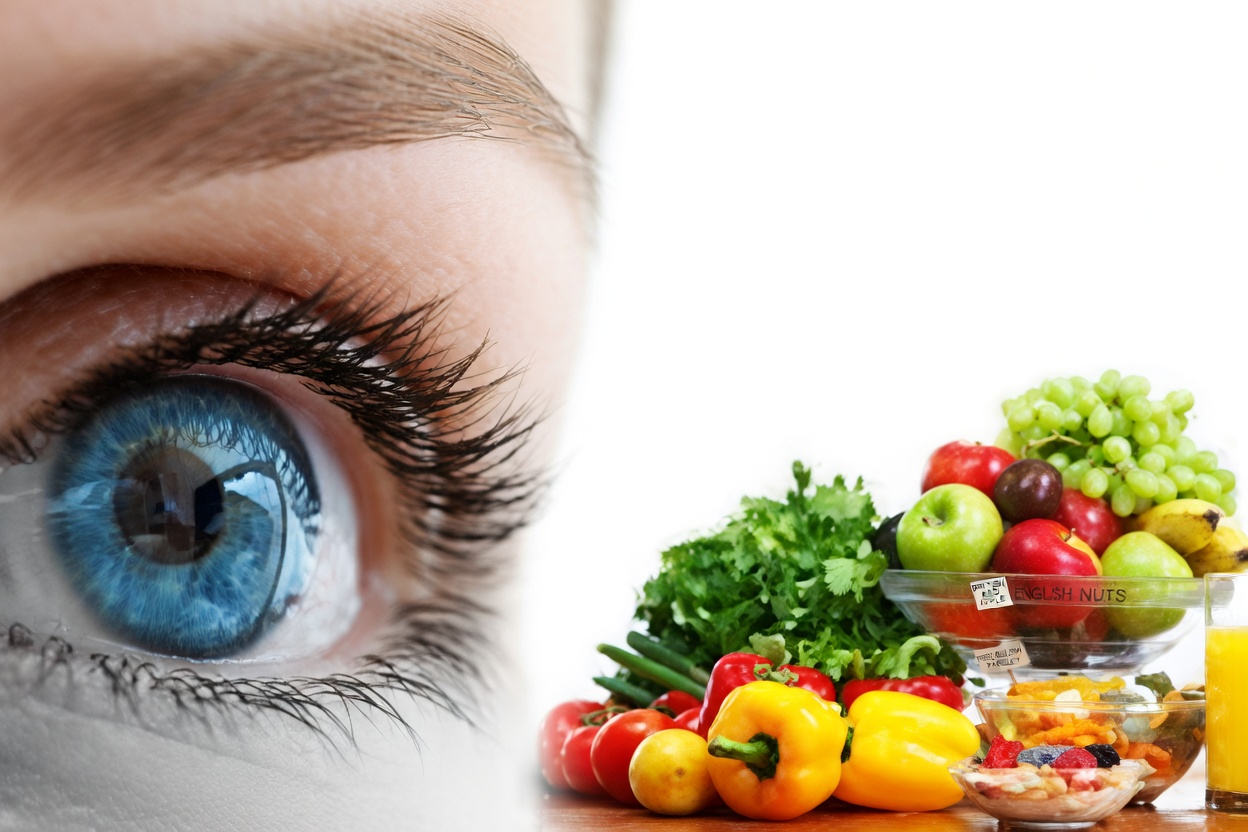
What Research Suggests About Seeds and Eye Wellness
No single food can guarantee perfect eyesight, but broader nutrition studies and reviews, including findings referenced by the American Academy of Ophthalmology, suggest that diets rich in these nutrients are linked with a lower risk of age-related eye changes.
Examples include:
- Vitamin E from almonds and similar foods may help slow oxidative damage
- Omega-3 fats from walnuts may support the health of eye tissues
- Zinc from pumpkin seeds helps maintain retinal structure and function
These foods work best as part of a wider eye-care routine. Other helpful habits include:
- Drinking enough water
- Wearing sunglasses with UV protection
- Scheduling regular eye exams
Together, diet and lifestyle can provide more complete support for long-term vision.
Common Questions About Seeds and Eye Health
Can I eat these if I have a nut allergy?
If you are allergic to tree nuts such as almonds or walnuts, avoid them and focus on pumpkin seeds instead. It is also wise to check food labels carefully for cross-contamination. When in doubt, speak with your doctor before adding new foods.
How much should I eat each day?
A small handful, about 1 ounce or 1/4 cup of mixed seeds, is a reasonable place to start. Because seeds and nuts are calorie-dense, moderate portions can help maintain nutritional balance.
Do they need any special preparation?
No special preparation is necessary. You can eat them raw, roasted, or lightly salted. Unsalted varieties are usually the best choice if you want to keep sodium intake lower.
Final Thoughts
Adding almonds, walnuts, and pumpkin seeds to your meals is a simple and enjoyable way to support eye health through everyday nutrition. These small foods deliver valuable nutrients that research has linked to long-term visual wellness, without requiring complicated meal plans or major lifestyle changes.
That said, food alone is not a replacement for professional care. If you have existing eye concerns or specific health conditions, consult your eye doctor or healthcare provider for advice tailored to your needs.
This article is intended for informational purposes only and should not be considered medical advice. Individual results can vary, and no single food can prevent, treat, or cure disease.