
12 Natural Foods That Can Support Healthy Aging After 50
Once you pass 50, nutrition often becomes more important than ever. The body may burn energy a bit more slowly, absorb some nutrients less efficiently, and place greater demands on foods that support the heart, bones, digestion, and daily vitality. Research consistently shows that eating more whole foods—such as vegetables, fruits, lean protein sources, and healthy fats—can encourage healthy aging by delivering key nutrients without unnecessary excess calories.
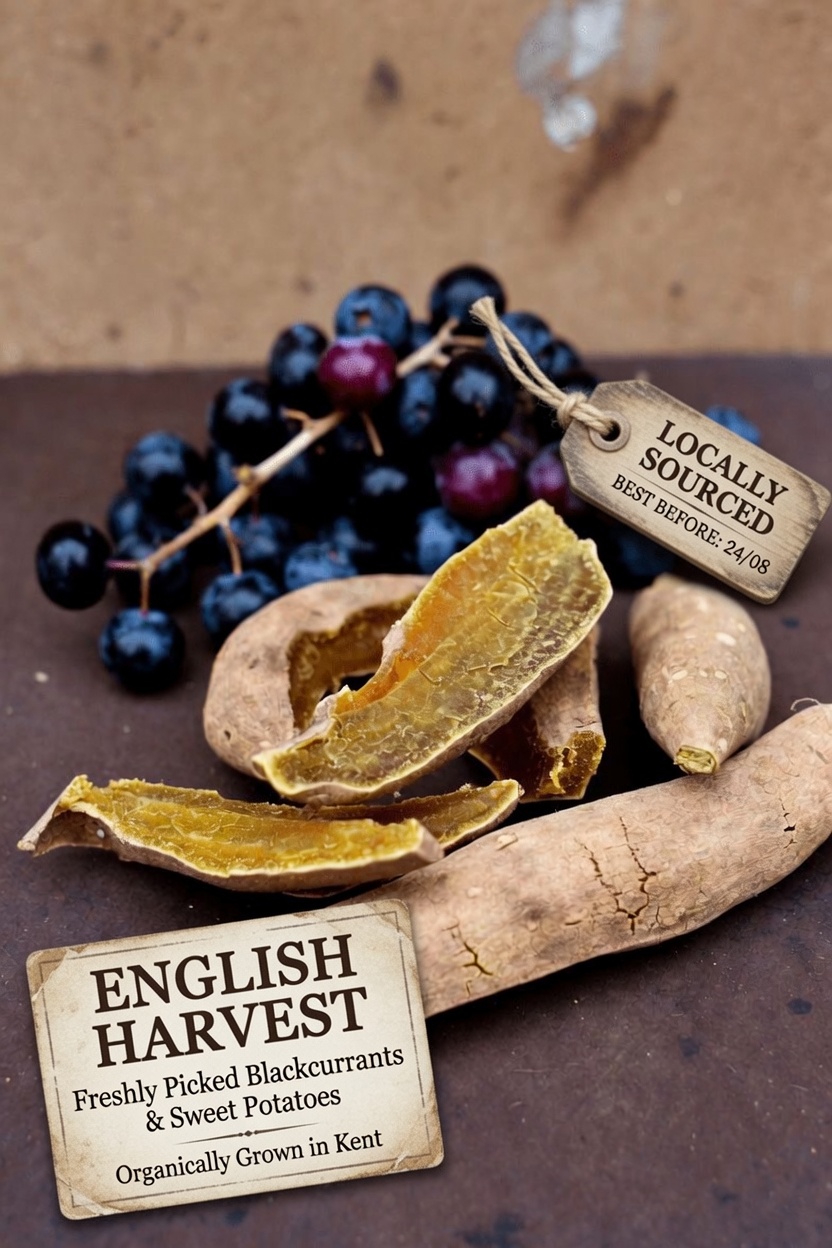
A great example is the sweet potato. Just one medium baked sweet potato provides more than 100% of the recommended daily intake of vitamin A in the form of beta-carotene. It also contains vitamin C, potassium, and fiber. These nutrients are widely associated with benefits for vision, immune health, and digestive regularity. Still, sweet potatoes are only one part of the picture. Below are 12 excellent natural foods worth including regularly.

12 Powerful Foods to Add to Your Routine
These foods deliver a wide range of advantages, including antioxidants that help protect cells, fiber that supports gut function, healthy fats that benefit the heart, and protein that helps preserve muscle. Try to include a variety of them throughout the week.
-
Sweet Potatoes
Rich in beta-carotene for eye and immune support, potassium for healthy blood pressure and heart rhythm, and fiber for smoother digestion. They also have a relatively low glycemic impact, which may help maintain steadier blood sugar levels. -
Berries (Blueberries, Strawberries, Raspberries)
Packed with antioxidants and vitamin C. Studies suggest berries may help support brain health and lower inflammation over time. -
Dark Leafy Greens (Spinach, Kale, Swiss Chard)
Excellent for calcium, magnesium, and vitamin K, which all play important roles in bone strength and muscle function. They also provide folate for overall cellular wellness. -
Fatty Fish (Salmon, Mackerel, Sardines)
A top source of omega-3 fats, which are known for supporting cardiovascular health and may also help with joint comfort. A common goal is two servings each week. -
Nuts (Almonds, Walnuts, Pistachios)
Supply heart-friendly fats, vitamin E, and protein. A small handful can be a simple snack that helps maintain energy and supports long-term heart health. -
Whole Grains (Oats, Quinoa, Brown Rice)
These provide B vitamins and fiber, helping with stable energy and healthy digestion. -
Legumes (Chickpeas, Lentils, Black Beans)
High in plant protein, fiber, and iron. They can help support the gut and contribute to maintaining muscle as you age. -
Avocados
Full of monounsaturated fats and potassium. They also help the body absorb fat-soluble nutrients and support both skin and heart health. -
Greek Yogurt or Low-Fat Dairy
Offers calcium and probiotics, making it useful for both bone strength and digestive balance. Plain options are best if you want to keep added sugar low. -
Extra Virgin Olive Oil
A key part of many heart-healthy eating patterns. It contains beneficial fats and compounds linked to anti-inflammatory effects. -
Eggs
Nutrient-dense and rich in high-quality protein, along with vitamin D and choline, which are important for brain function and overall health. -
Green Tea
Contains catechins and other antioxidants that may help support metabolism and promote overall wellness.
Why Combining These Foods Matters
The real advantage comes from eating these foods together as part of a balanced diet. Their nutrients work in combination, helping the body in multiple ways at once and creating stronger day-to-day support than relying on one “superfood” alone.
How These Foods Can Help After 50
1. Steady Energy and Better Balance
Complex carbohydrates from foods like sweet potatoes, oats, and legumes release energy more gradually. This can help prevent sudden rises and drops in energy levels.
2. Heart Support
Potassium-rich foods such as sweet potatoes and avocados, along with omega-3-rich fish, can help support healthy blood pressure and cardiovascular function.
3. Joint Comfort and Mobility
Fatty fish provide omega-3s, while berries and leafy greens deliver anti-inflammatory nutrients that may help the body stay more comfortable and active.
4. Digestive Health
Fiber from vegetables, beans, lentils, and whole grains encourages regularity and supports a healthier gut microbiome.
5. Immune Function and Cell Protection
Colorful produce contains vitamins and antioxidants that strengthen natural defenses and help protect cells from daily stress.
Research repeatedly links eating patterns centered around these whole foods with stronger long-term health outcomes.
Easy Ways to Include Them in Daily Meals
Getting started does not need to be complicated. Small changes can make a big difference over time.
- Breakfast idea: Roast or bake sweet potatoes in advance, then slice and serve them with Greek yogurt and berries for a filling, nutrient-rich breakfast.
- Lunch option: Make a salad with dark leafy greens, chickpeas, avocado, and a drizzle of extra virgin olive oil.
- Smart snack: Eat a handful of nuts, or pair green tea with a boiled egg for a simple protein boost.
- Dinner plan: Grill salmon and serve it with quinoa and steamed greens, or add roasted sweet potatoes as an easy side dish.
- Meal prep tip: Cook legumes and whole grains in batches on the weekend so they are ready to use during busy weekdays.
A good approach is to begin with one new healthy food each day and build from there. Long-term consistency is far more important than doing everything perfectly.
Bonus Tip: Build Colorful Plates
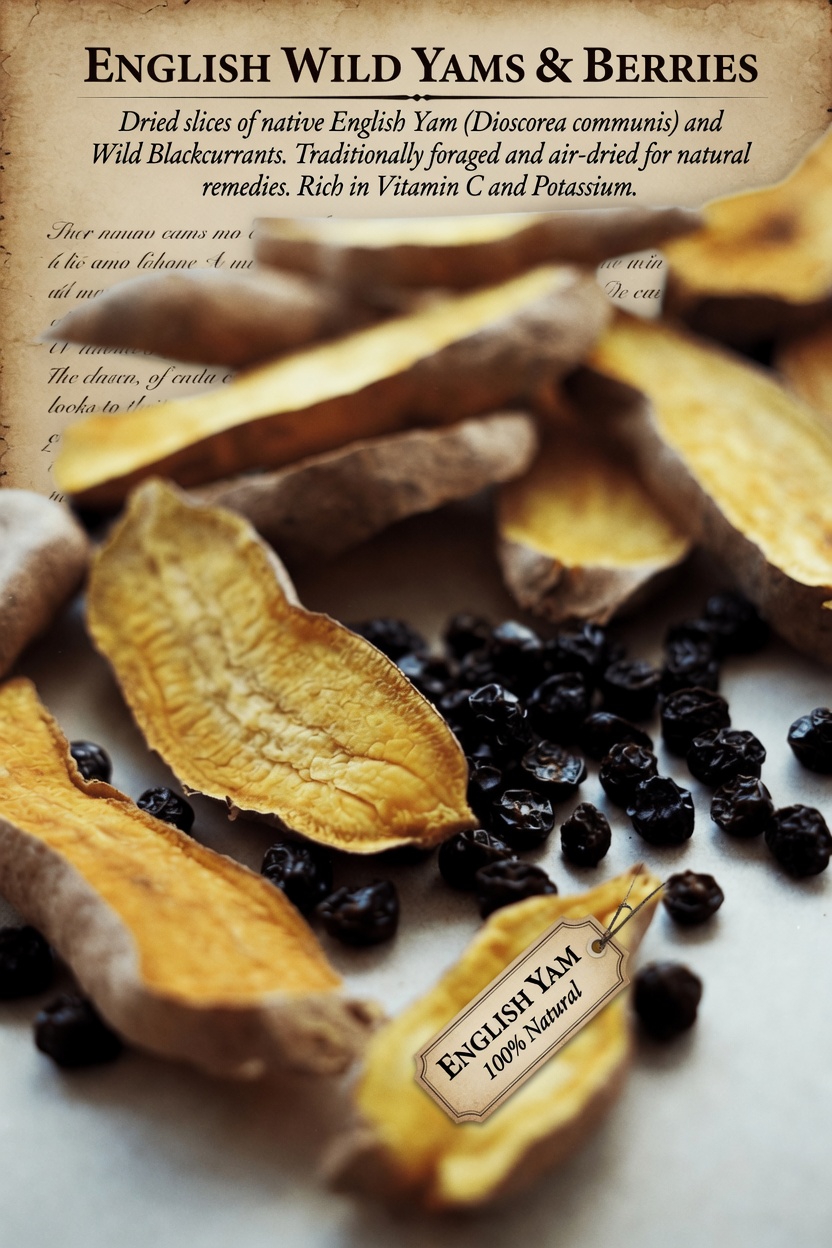
One of the easiest nutrition strategies is also one of the most effective: eat more color. Different food colors often reflect different beneficial compounds. Orange foods like sweet potatoes are rich in beta-carotene and vitamin A precursors. Blue and purple berries contain anthocyanins. Dark greens provide nutrients such as magnesium, folate, and vitamin K.
Studies suggest that a more diverse intake of plant foods may support broader health benefits. A simple goal is to fill at least half your plate with fruits and vegetables at each meal. This naturally increases your intake of many of these nutrient-dense foods.
Frequently Asked Questions
How many servings of these foods should I aim for each day after 50?
Focus more on variety than perfection. General guidance often recommends around 5 to 9 servings of fruits and vegetables daily, along with protein sources and whole grains at most meals. Pay attention to how your body feels and adjust based on your needs.
Can I eat sweet potatoes if I am watching my carbohydrate intake?
Yes. Sweet potatoes can fit into a balanced diet, especially when they are baked or boiled with the skin on. Pairing them with protein and healthy fat may help improve overall balance.
Are these foods suitable for everyone over 50?
Most of these foods are generally beneficial, but personal health needs can differ. If you have certain medical conditions—such as kidney disease, which may affect potassium needs—or food allergies, it is best to speak with a healthcare professional first.
Important Note
This article is intended for informational purposes only and should not be taken as medical advice. Always consult a qualified healthcare provider before making major dietary changes, especially if you take medication or have an existing health condition.