How Tea Can Support Muscle Comfort and Mobility as You Age
As the body gets older, natural functions such as inflammation control and antioxidant defense often change. Research suggests that many older adults recover more slowly even after mild physical activity, partly because of oxidative stress and the gradual buildup of low-level inflammation. That is why nutrition and simple daily wellness habits can play an important role in maintaining strength, balance, and walking ability.
Certain plant compounds found in tea have been studied for their potential to ease everyday discomfort and support healthy circulation. While these drinks are not quick fixes, using them consistently within a balanced lifestyle may help you feel more comfortable and energized for daily movement.
The Top 3 Teas for Muscle Relief and Easier Movement
Below are three teas supported by growing research for their possible benefits in recovery, everyday muscle comfort, and joint mobility in older adults.
1. Green Tea: A Strong Source of Antioxidants
Green tea is made from the Camellia sinensis plant and contains powerful catechins, especially EGCG. Studies indicate that these compounds may help reduce oxidative stress, a factor linked to muscle tiredness and joint concerns with age.
Reviews exploring green tea’s impact on skeletal muscle and joint function suggest it may help preserve muscle performance, particularly during times of lower activity. In older adults, drinking green tea regularly has also been associated with better support for overall mobility.
How to drink it each day
- Steep 1 teaspoon of loose green tea, or 1 tea bag, in hot water at about 175°F/80°C.
- Let it brew for 2 to 3 minutes.
- Drink 2 to 3 cups daily, preferably in the morning and afternoon.
- Add lemon for extra flavor and a boost of vitamin C.

For even better results, combine green tea with light physical activity such as a short walk or gentle stretching.
2. Ginger Tea: A Naturally Warming Option
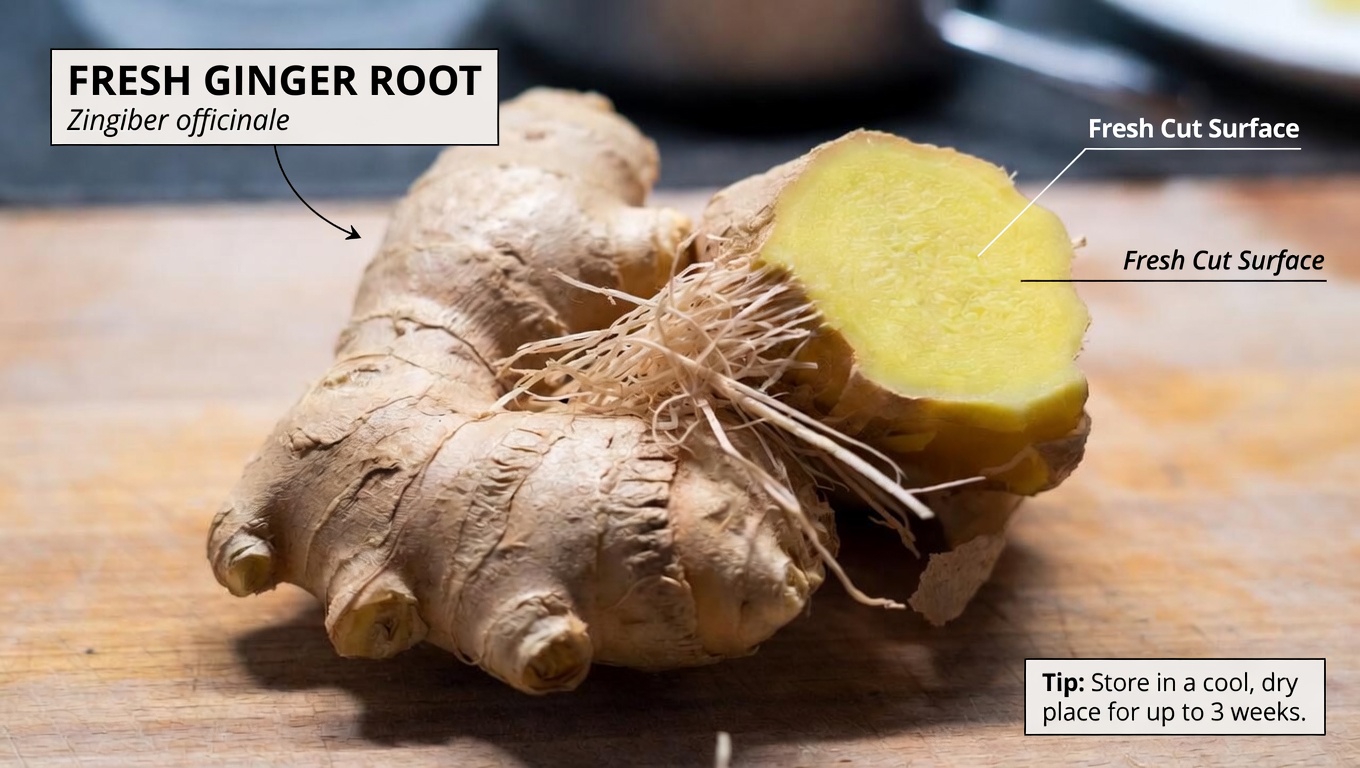
Ginger root has been used for generations for its soothing and warming qualities. Its active compounds, including gingerols, have shown anti-inflammatory effects in research and may help reduce muscle soreness after movement.
One review found that regular ginger intake may lessen exercise-related discomfort by supporting the body’s normal response to physical strain. For seniors, that may mean a smoother recovery after gardening, housework, or a casual walk outdoors.
Simple way to prepare ginger tea
- Slice a fresh 1-inch piece of ginger root.
- Steep it in boiling water for 5 to 10 minutes.
- Strain and drink while warm.
- Add honey if you prefer a sweeter taste.
- Aim for 1 to 2 cups per day, especially after spending time on your feet.
Beyond its potential physical benefits, the warming sensation of ginger tea can feel especially comforting during colder weather.
3. Turmeric Tea: Golden Support for Joints and Recovery
Turmeric is well known for curcumin, the compound most often studied for its role in managing inflammation. When paired with black pepper to improve absorption, turmeric may help support joint flexibility and ease post-activity discomfort.
Research on curcumin has shown promising effects in lowering markers associated with discomfort in active people, and these findings may also be helpful for older adults who want to stay mobile and active.
Easy turmeric tea recipe
- Mix 1/2 teaspoon of ground turmeric with a pinch of black pepper.
- Add warm water or milk.
- Simmer for about 5 minutes.
- Add honey or ginger if desired for flavor.
- Drink 1 cup in the evening as part of a relaxing routine.
This golden tea can support recovery while also creating a calming habit at the end of the day.
Bonus Tip: Add a Boost to Your Morning Coffee
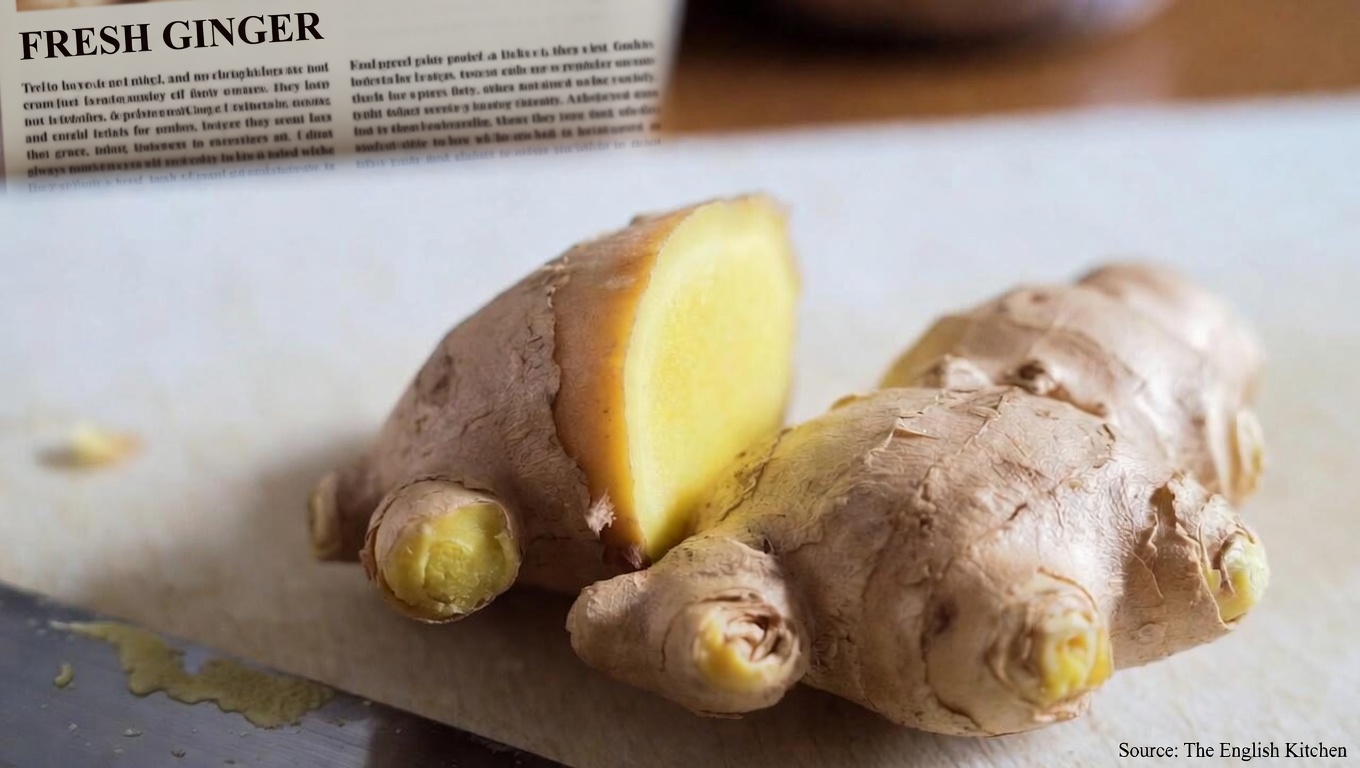
If coffee is already part of your routine, there is a simple way to make it more functional. Many people add a small amount of ginger powder or turmeric to their morning cup. This blends the mild energy lift of caffeine with plant compounds known for anti-inflammatory potential.
Try stirring in:
- 1/4 teaspoon of turmeric plus a small pinch of black pepper, or
- 1/4 teaspoon of ginger powder
This creates a subtle flavor change and may complement habits that support all-day comfort and steadier energy for walking and daily activities.
A Simple Daily Plan to Start Today
If you want to include these teas in your routine, use this easy schedule:
- Morning: Drink green tea or enjoy coffee with ginger or turmeric for antioxidant support.
- Midday: Have ginger tea after light activity to encourage natural recovery.
- Evening: Relax with turmeric tea to support comfort overnight.
- Stay consistent: Set a reminder on your phone so the habit becomes automatic.
- Add movement: Pair these drinks with short walks or gentle stretches for the best effect.
Research continues to show that hydration, balanced meals, and regular low-impact exercise work together with tea-based habits to support healthy aging.
Common Questions About These Teas
How much tea should I drink each day?
Most studies focus on about 2 to 3 cups of green tea or 1 to 2 cups of ginger or turmeric tea daily. It is best to begin gradually and adjust based on how your body responds.
Can these teas affect medications?
They can. Green tea contains caffeine and may interact with certain medications. Ginger and turmeric may also influence blood-thinning drugs. If you take prescription medicine, speak with your doctor before adding them regularly.
Are there any side effects?
These teas are generally well tolerated in moderate amounts. However:
- Too much ginger may cause mild stomach discomfort.
- Turmeric may stain teeth.
- Turmeric can also affect iron absorption in some cases.
Moderation is important.
Final Thoughts
Adding green tea, ginger tea, and turmeric tea to your daily routine can be a gentle and enjoyable way to support muscle recovery, joint comfort, and walking strength as you age. Small, steady habits like these may help you feel more stable, more comfortable, and more confident in everyday life.