A Simple Herbal Tea That Can Loosen Mucus, Soothe the Throat, and Make Breathing Easier—Do You Know It?
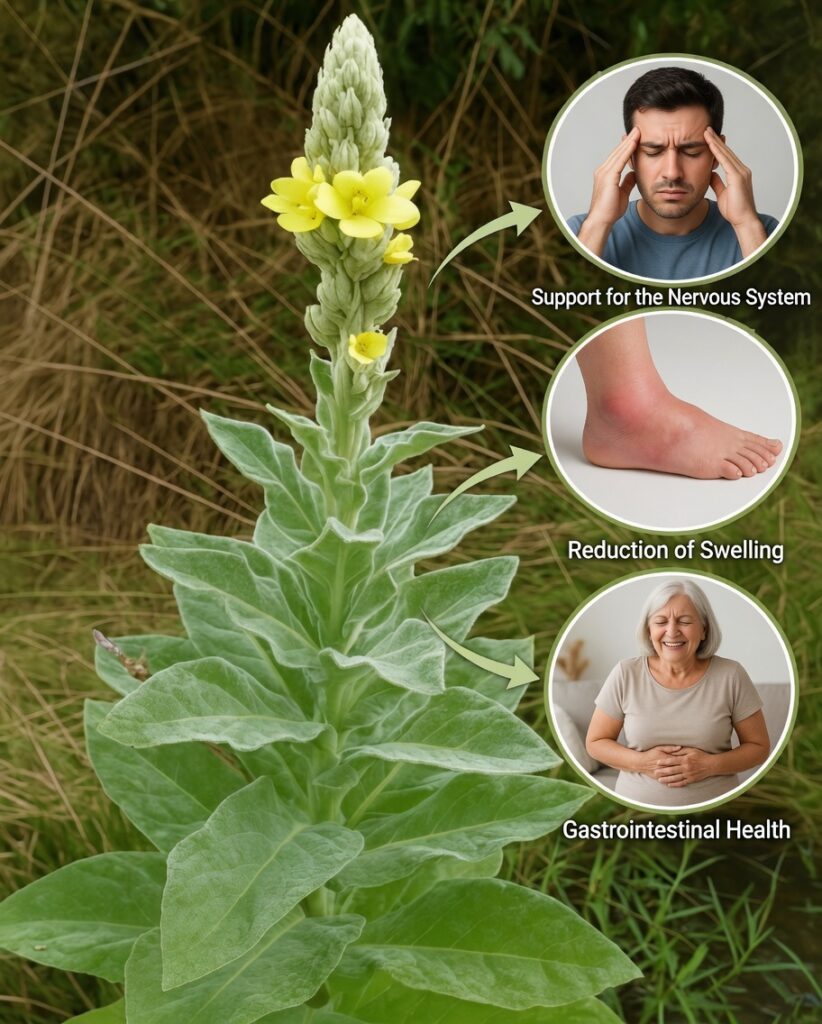
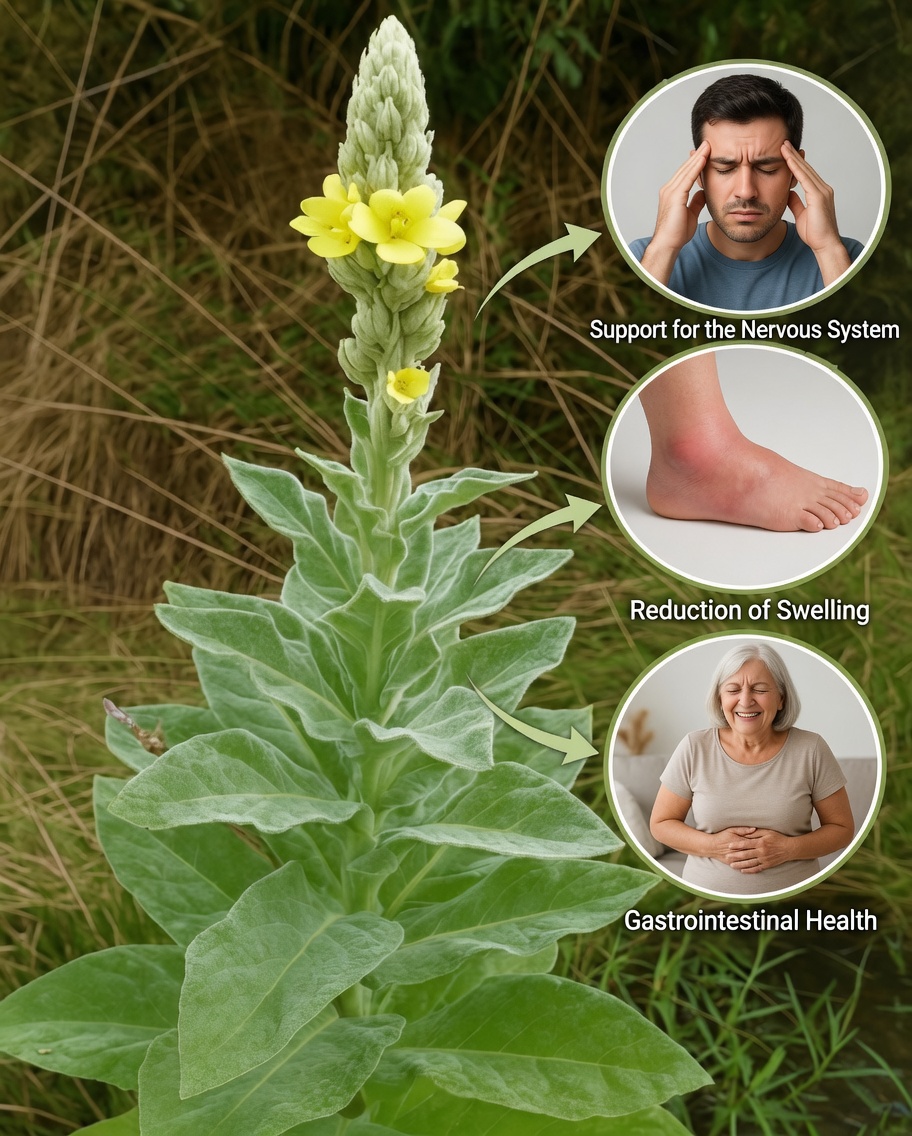
Have you ever walked past a tall plant with soft, velvety leaves along a roadside or in an open field and barely noticed it? Most people do. Yet this unassuming herb may hold surprising value for wellness. The plant is mullein (Verbascum thapsus)—a traditional remedy used for centuries to support respiratory health and overall well-being.
So why is a plant that grows so easily—and offers so many potential benefits—still overlooked by so many? Read on to learn how mullein tea and other preparations may help support the lungs, calm irritation, and strengthen the body naturally.
Mullein Through History: Why This Herb Has Lasted for Centuries
Ancient Roots
Mullein has been used for thousands of years. In ancient Rome, the sturdy stalks were dipped in animal fat and used as torches. In traditional European herbal medicine, its leaves were brewed into tea—or even smoked in some folk practices—to ease chest congestion.
Indigenous peoples in North America also found many uses for mullein. The leaves were applied to wounds to support healing, and they were even placed inside moccasins to help keep feet warm in cold weather.
Medicinal Herb or “Just a Weed”?
Because mullein thrives in poor soil, abandoned lots, open fields, and neglected gardens, it is often dismissed as a weed. However, cultures across Europe, Asia, and the Americas have long recognized mullein as a valuable medicinal plant, especially for the lungs and throat.
Key Compounds in Mullein: What Makes It Useful?
Mullein leaves and flowers contain several natural compounds that may work together to support the body:
- Saponins: help loosen and break up mucus, making it easier to clear the airways
- Flavonoids: antioxidant compounds linked to reduced inflammation
- Iridoids and phenolic glycosides: associated with antimicrobial and antiviral activity
- Mucilage: a soothing, protective substance that can coat irritated throat and lung tissues
- Vitamins and minerals: contribute to overall body balance and resilience
Together, these components are why mullein is most often associated with respiratory support.
Health Benefits of Mullein
1. Lung and Respiratory Support
The best-known use of mullein is for the respiratory system. Mullein tea is commonly used to help calm coughs, ease congestion, and soothe irritated airways.
2. Relief for a Sore or Dry Throat
Thanks to its mucilage, mullein tea can form a gentle coating over the throat, which may reduce scratchiness, irritation, and dryness.
3. Inflammation Support
Mullein’s anti-inflammatory compounds may be helpful for general discomfort, including mild joint irritation or sensitive skin.
4. Traditional Support Against Infections
Some research and traditional use suggest mullein may offer antibacterial and antiviral properties that support the body’s natural defenses.
5. Folk Remedy for Ear Discomfort
An oil infused with mullein flowers, sometimes combined with garlic in traditional practice, has been used to soothe ear discomfort due to its calming properties (with appropriate professional guidance).
6. Skin Care and Recovery
Poultices or compresses made from mullein leaves are sometimes applied to minor skin concerns such as light burns, small wounds, or irritation to support recovery.
How to Use Mullein
Mullein Tea (Most Popular Option)
One of the simplest ways to use mullein for throat and lung support.
How to prepare:
- Add 1–2 teaspoons of dried mullein leaves to a cup of hot water.
- Steep for 10–15 minutes.
- Strain very carefully using a fine mesh filter or cloth, because tiny leaf hairs can irritate the throat.
Drink warm to help ease coughing and congestion.
Mullein-Infused Oil
Mullein flowers can be infused in olive oil for several weeks. This oil is traditionally used in small amounts for ear discomfort—only with proper guidance.
Skin Compress or Poultice
Crushed fresh leaves (or rehydrated dried leaves) may be applied to the skin to support minor irritation or small surface injuries.
Safety Notes and Precautions
Mullein is generally considered safe for most people, but these precautions matter:
- Always strain mullein tea thoroughly to remove leaf hairs.
- If you are pregnant or breastfeeding, consult a qualified health professional before using mullein.
- Do not put oil in the ear if there is any chance of a ruptured eardrum.
- Natural remedies are supportive tools and do not replace medical care, especially for serious or persistent symptoms.
Conclusion
Mullein may grow quietly in fields and along roadsides, but its benefits are anything but ordinary. This traditional herb is widely valued for supporting the lungs, soothing inflammation, and easing common issues such as cough, throat irritation, and even minor skin discomfort.
Sometimes, the most powerful gifts of nature are the ones we walk past every day—simply waiting to be rediscovered.