Why Flax Seeds May Not Be Working for You
You blend flax seeds into a morning smoothie or scatter them over yogurt, yet nothing seems to change. That experience is common. Many people use this well-known superfood regularly but still feel disappointed by the results.
In many cases, the problem is not the flax seeds themselves. It is the way they are being used. A few everyday habits can prevent your body from getting the full nutritional value. The good news is that the fix is simple, and once you start doing it correctly, it is easy to keep up.
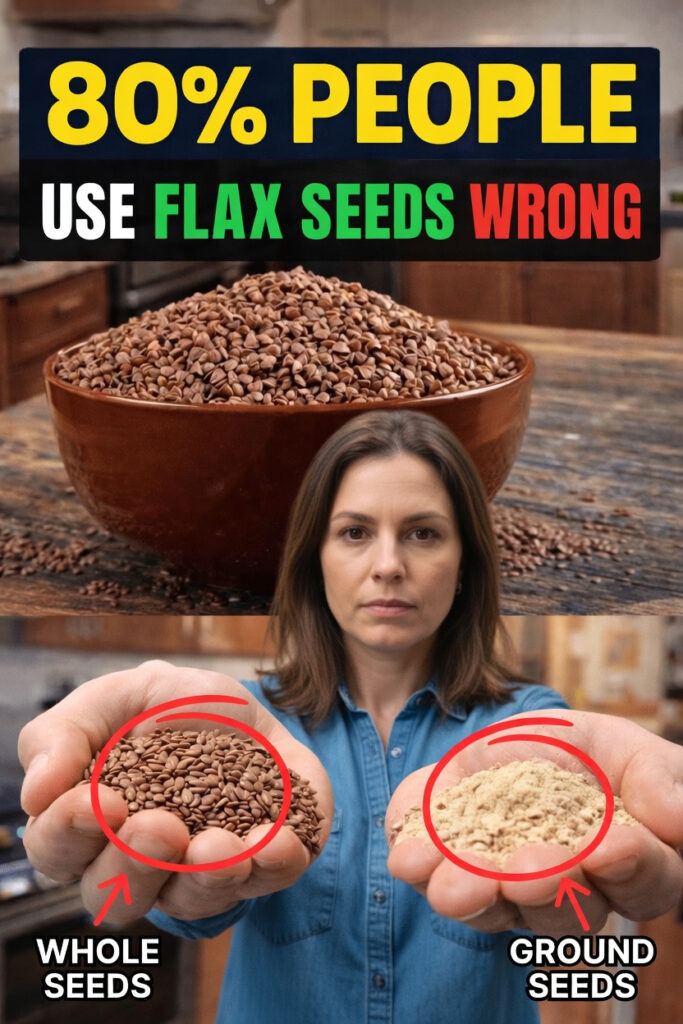
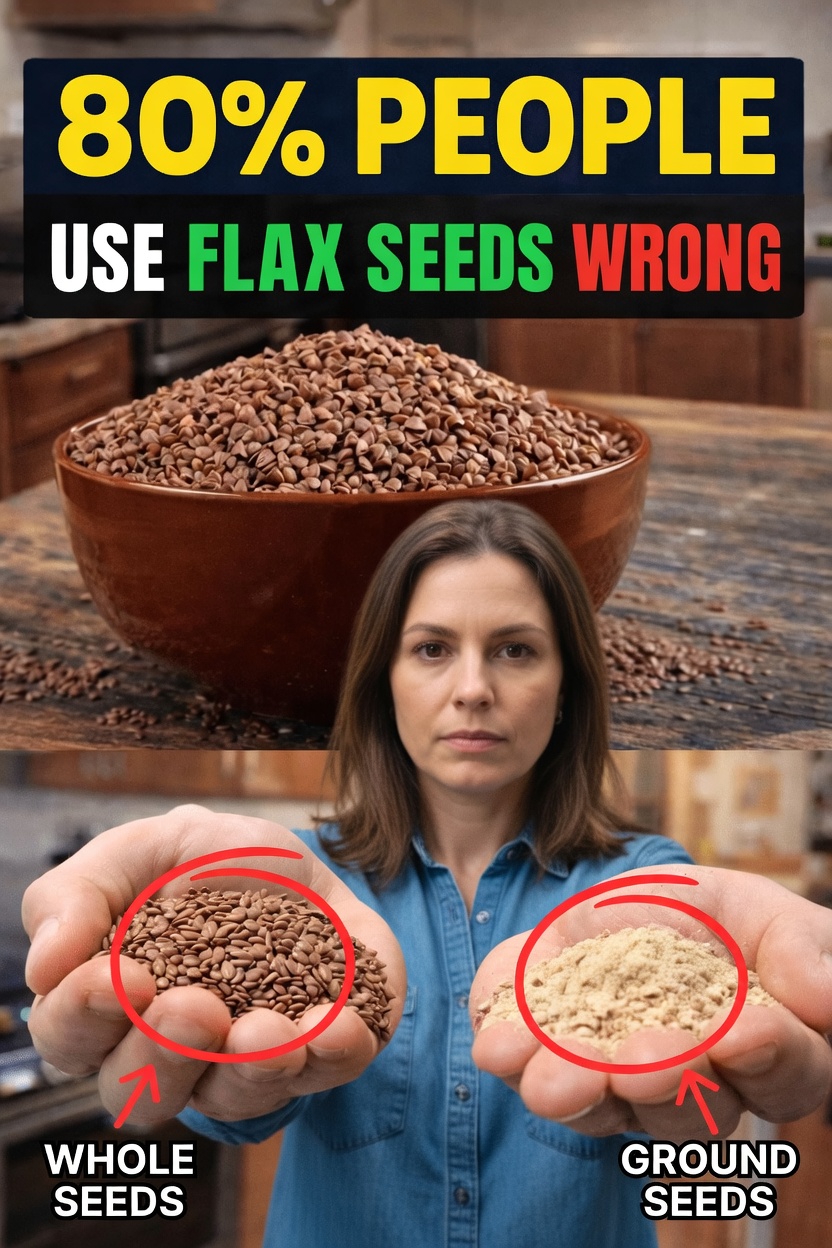
One of the main reasons flax seeds seem ineffective is that whole seeds often move through digestion without breaking down much at all. Nutrition guidance, including information referenced by Mayo Clinic, notes that the seed’s outer shell is so tough that grinding is usually the best way to improve nutrient absorption.
What Makes Flax Seeds So Valuable
Flax seeds offer an impressive mix of nutrients. They are especially rich in:
- Plant-based omega-3 fatty acids, mainly ALA
- Soluble fiber
- Lignans, which are natural antioxidant compounds
These nutrients may help support digestive regularity, increase fullness after meals, and contribute to a heart-conscious diet when used properly.
However, many people make a few simple mistakes that reduce these potential benefits.
Common Flax Seed Mistakes
Even with good intentions, it is easy to use flax seeds in ways that limit their impact. The most common issues include:
- Eating whole flax seeds instead of ground flaxseed
- Storing ground flax improperly and losing freshness
- Increasing intake too quickly without drinking enough fluids
- Using flaxseed oil for high-temperature cooking
- Ignoring sensible serving sizes
The good news is that all of these problems are easy to correct.
Why Whole Flax Seeds Often Fall Short
Flax seeds have a hard outer layer that naturally protects them until conditions are right for sprouting. Inside your digestive system, that same protective shell can keep the seed from fully breaking down.
As a result, the body may not access much of the omega-3 content, lignans, or even some of the fiber benefits. Research consistently suggests that ground flaxseed makes these nutrients more available than whole seeds.
A practical clue is simple: if you notice intact flax seeds later, your body likely did not fully use them.
The Best Way to Prepare Flax Seeds for Better Absorption
The step most people miss is grinding. If you want better results from flax seeds, this is where to start.
Follow this simple method:
- Buy whole flax seeds in small amounts to keep them fresher.
- Use a clean coffee grinder or spice grinder.
- Grind only enough for the next few days.
- Aim for a fine, powder-like texture so it mixes easily and digests better.
- Store the ground flax in an airtight container in the refrigerator or freezer.
This method helps protect the delicate oils while making the nutrients easier for your body to absorb.
How Much Ground Flaxseed Should You Eat Per Day?
It is best to begin slowly, especially because flax seeds are high in fiber. For most adults, many nutrition sources suggest that 1 to 2 tablespoons of ground flaxseed per day is a reasonable amount.
A gentle way to start is:
- Take 1 teaspoon daily for the first several days
- Increase gradually to 1 tablespoon
- Adjust based on how your body responds
It is also important to drink enough water or other fluids, since fiber works best when paired with hydration.
Easy Ways to Add Ground Flax Seeds to Meals
Once ground, flax seeds are very easy to use in everyday foods. Their mild, nutty taste works well in many recipes.
Try adding ground flaxseed to:
- Oatmeal
- Yogurt
- Overnight oats
- Smoothies
- Muffin batter
- Bread dough or batter
- Salads
- Roasted vegetables
- Soups
- Sauces
Ground flaxseed is also generally suitable for baking. Moderate oven temperatures usually do not significantly reduce the important nutrients in the seed itself.
How to Store Flax Seeds Properly
Storage matters more than many people realize.
Whole flax seeds can usually stay fresh for several months when kept in a cool, dark place at room temperature. Ground flaxseed, however, is much more sensitive to:
- Air
- Light
- Heat
For best quality, keep ground flaxseed in the fridge or freezer and try to use it within a few weeks. If it starts to smell sour, sharp, or unusually strong, it is no longer fresh and should be replaced.
Flaxseed Oil vs. Ground Flaxseed
Flaxseed oil and ground flaxseed are not the same nutritionally.
Flaxseed oil provides concentrated omega-3 fats, but it does not contain the fiber and lignans found in the whole seed. It should only be used in cold foods, such as:
- Salad dressings
- Dips
- Finished dishes after cooking
Do not use flaxseed oil for frying or other high-heat cooking methods, because heat can damage its delicate fats.
Ground flaxseed offers the more complete nutritional package:
- Healthy fats
- Fiber
- Lignans
A Simple Daily Routine for Using Flax Seeds Correctly
If you want an easy plan, start with a routine like this:
- In the morning, add 1 tablespoon of freshly ground flaxseed to yogurt or a smoothie.
- At lunch, sprinkle a little over soup or salad.
- In the evening, add another small amount to a snack or dinner if desired.
- Drink extra water throughout the day.
This approach is simple, practical, and easy to maintain.
What to Expect When You Start
Because flax seeds increase fiber intake, adding too much too fast may cause temporary bloating or digestive discomfort. Most people adjust within a week or two if they start with small amounts and stay well hydrated.
If you take medication, especially medicines affected by fiber or hormones, it is wise to speak with your healthcare provider. In some cases, flax seeds should be taken a couple of hours apart from certain medications.
Frequently Asked Questions
Can I eat flax seeds every day?
Yes. Many people use 1 to 2 tablespoons of ground flaxseed daily as part of a balanced diet. Regular use tends to matter more than taking large amounts.
Is fresh-ground flaxseed better than pre-ground?
Freshly grinding flax seeds at home is usually the best option. However, high-quality pre-ground flaxseed can also be a good choice if it has been stored properly. Vacuum-sealed or refrigerated products are often better options.
Does heat destroy the benefits of flax seeds?
Moderate baking temperatures are generally acceptable for ground flaxseed. High-heat cooking, especially with flaxseed oil, should be avoided.
Final Thoughts
Small changes in how you prepare and use flax seeds can greatly improve how well your body benefits from them. Grinding the seeds, storing them correctly, increasing intake gradually, and drinking enough fluids are the key habits that make a real difference.
After a couple of weeks of using flax seeds the right way, pay attention to how you feel. Many people notice smoother digestion and better meal satisfaction once they make these simple adjustments.