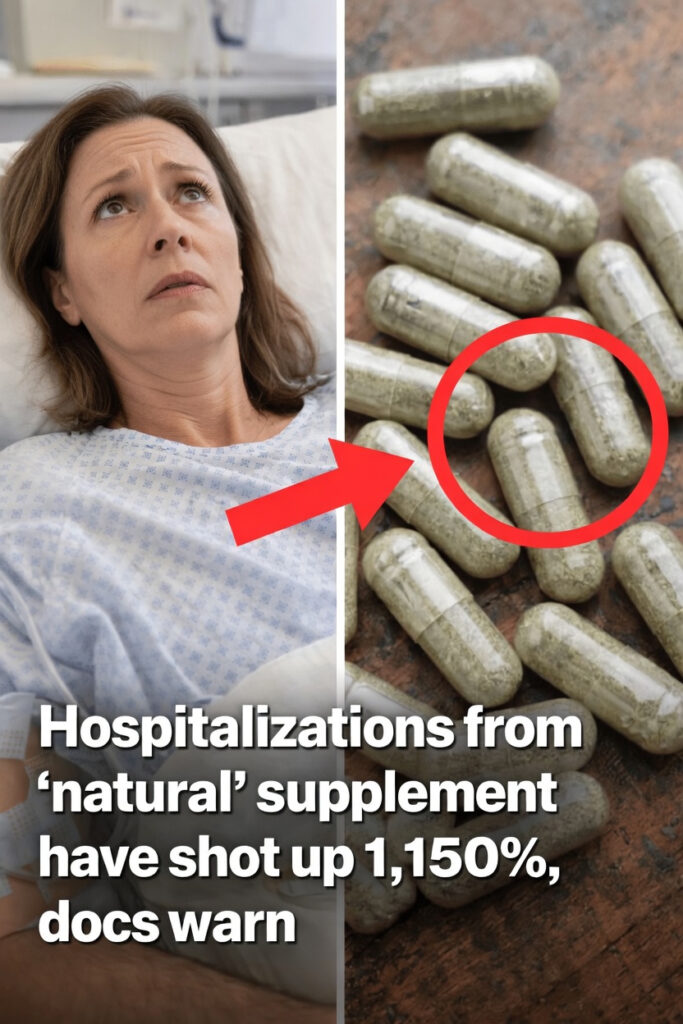
Kratom-Related Hospitalizations Have Surged More Than 1,150% in a Decade
Many consumers choose natural supplements because they seem like a milder way to support energy, mood, or overall wellness without the drawbacks often associated with prescription drugs. However, a new review of U.S. poison center records suggests that one commonly sold herbal product may carry far greater risks than many people assume.
According to the latest data, hospitalizations connected to kratom increased by more than 1,150% over the last 10 years, rising from 43 cases in 2015 to 538 in 2025. That steep climb has led medical experts to warn that plant-based products are not automatically safe, especially when they are taken in large amounts, used improperly, or combined with other substances.
The good news is that understanding these findings can help you make smarter choices about supplements and daily wellness habits.
The Numbers Behind the Sharp Increase
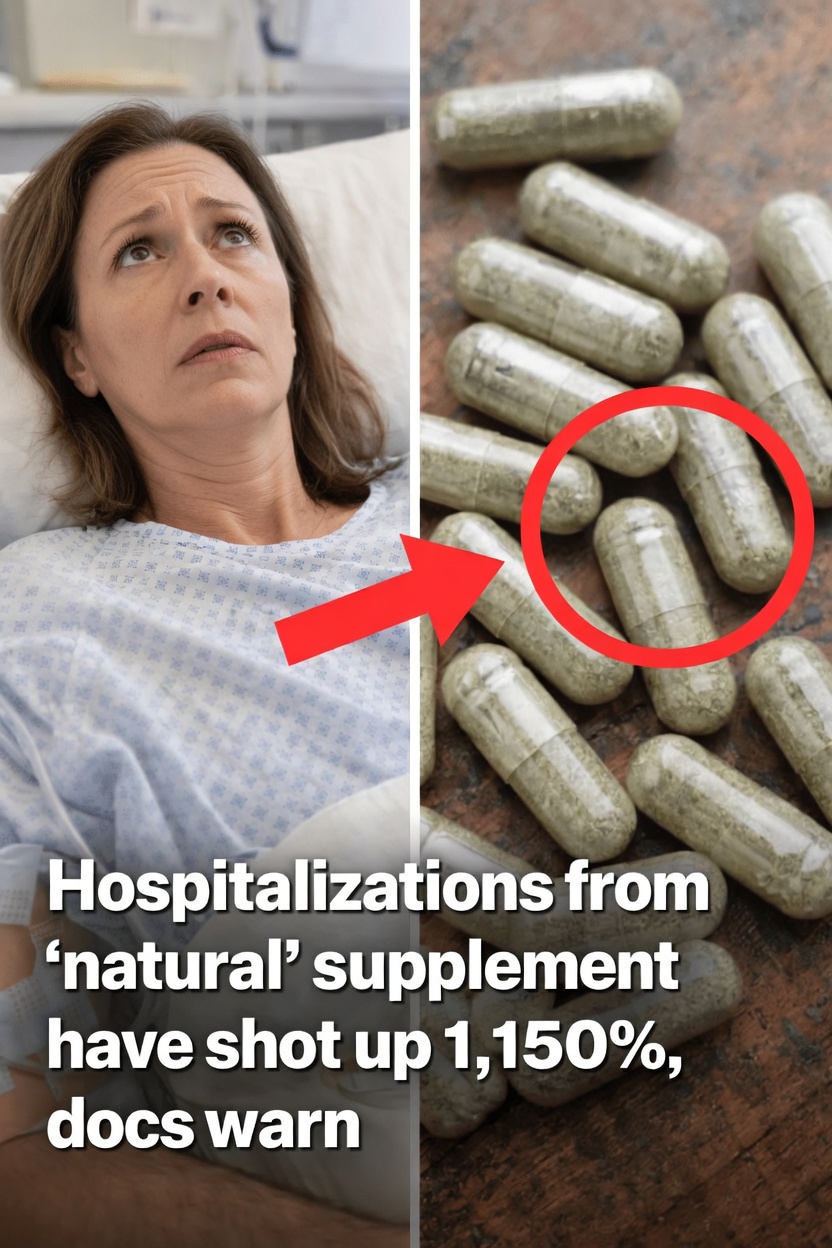
Researchers at UVA Health reviewed more than 14,400 kratom-related calls reported to U.S. poison centers between 2015 and 2025. Over that period, the total number of cases rose by about 1,200%, reaching a record 3,434 reports in 2025 alone.
Even more concerning were the hospitalization trends:
- Cases involving kratom only increased from 43 to 538, a 1,150% rise
- Cases involving kratom mixed with other substances grew from 40 to 549, nearly a 1,300% increase
- In 2025, around 60% of multi-substance cases led to serious medical outcomes
- About half of those combination cases resulted in hospitalization
The research found that most reports involved men in their 20s and 30s. At the same time, poison center calls among adults aged 40 to 59 also showed notable growth. Doctors say this pattern matches what many emergency departments are already observing nationwide.
The report also identified at least 233 deaths involving kratom during the 10-year period. Most of those deaths were linked to the use of kratom alongside other substances rather than kratom by itself. Because the information comes from the National Poison Data System, it reflects real-world exposure rather than tightly controlled laboratory conditions.
Experts note that one major challenge is the lack of regulation. Since kratom products are not manufactured under uniform standards, the strength and composition can vary from batch to batch, making effects harder to predict.
Why Kratom Is So Widely Used
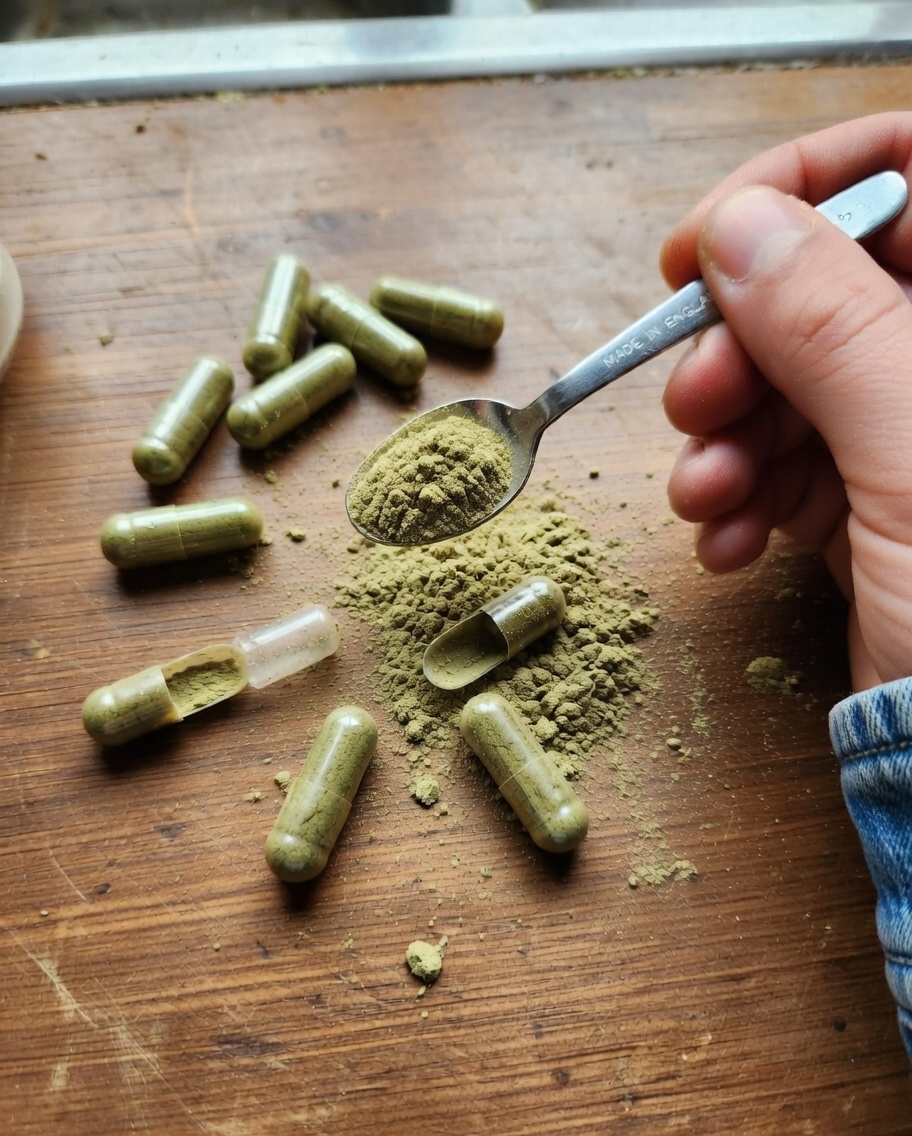
Kratom is derived from the leaves of a tropical tree native to Southeast Asia. It is commonly sold in several forms, including:
- Powders
- Capsules
- Liquid extracts
It is often advertised as a natural product that can increase energy in smaller amounts or provide relief from discomfort at higher doses. Many adults use it in hopes of improving focus, managing stress, or supporting everyday well-being.
Its popularity has grown quickly in recent years, partly because it remains federally legal in most parts of the United States, although some states have imposed restrictions. Easy availability online and in stores has encouraged more people to try it as part of a self-care routine.
Still, kratom contains active compounds that affect some of the same brain receptors targeted by certain prescription medications. That overlap helps explain why its effects can vary so widely depending on dose, product strength, and individual health factors.

Why “Natural” Does Not Always Mean Safe
One of the biggest misconceptions about supplements is that plant-based automatically means low risk. In reality, many herbal products are sold with limited oversight, so ingredient levels, purity, and consistency may differ significantly.
Research suggests that kratom can become more dangerous when paired with:
- Prescription medications
- Alcohol
- Other supplements
- Pain relievers
- Certain antidepressants
These combinations may intensify effects in ways users do not expect. In addition, some products have been found to contain contaminants such as:
- Heavy metals
- Bacteria
- Other unwanted substances
Another important point is that the body’s response can change over time. Factors such as age, current health conditions, hydration, sleep, and even a slight change in routine may alter how a supplement affects you. Physicians stress that a product tolerated well by one person may cause a very different reaction in someone else.
Warning Signs You Should Not Ignore
If you or someone close to you uses kratom or similar herbal supplements, paying attention to early symptoms can be extremely important. Some of the more common warning signs include:
- Ongoing nausea or unusual digestive upset
- Dizziness, weakness, or excessive fatigue
- Changes in heart rate
- Dry mouth
- Itching
- Reduced appetite
- Mood shifts
- Sleep problems that appear after use
The risks become more serious when multiple substances are involved. Poison center data shows that combination exposures are linked to much higher rates of severe outcomes and hospitalization. Recognizing problems early may help prevent a medical emergency.
Smart Steps for Safer Supplement Use
You do not have to change your entire routine at once. A few simple habits can make supplement use more informed and more cautious.
Start with these practical actions:
- Read the label carefully before taking any new product.
- Check the exact amount in each serving.
- Tell your healthcare provider about everything you use, including nonprescription products.
- Start with the lowest suggested amount and monitor your response.
- Keep a basic record of when you took it, how much you used, and any changes you noticed.
- Store supplements properly in a cool, dry location.
- Check expiration dates so you are not using degraded products.
You can also make better buying decisions by following these guidelines:
- Look for brands that offer third-party testing
- Be cautious of products promising dramatic or guaranteed results
- Read recent independent reviews, not just promotional claims
- Check whether the source of the plant material is clearly listed
These small steps can help reduce guesswork and improve safety.
Why Mixing Substances Increases the Risk
The poison center data makes one trend clear: cases involving kratom alone generally lead to fewer hospitalizations than cases involving kratom plus other substances.
That matters because many people combine supplements with things they view as routine or harmless, such as:
- Coffee
- Prescription medications
- Over-the-counter products
- Alcohol
Without realizing it, they may be creating stronger or less predictable effects. This is why experts advise giving the body time to process one substance before adding another.
Some users also find that taking a short break helps them better understand their natural baseline for energy, focus, or comfort without relying on a product. That comparison can offer useful perspective when evaluating whether a supplement is truly helping.
Comparing Kratom With Everyday Wellness Strategies
Although many supplements are marketed as convenient wellness tools, it is worth comparing them with more predictable options.
For example:
- Energy support: Consistent sleep, regular meals, and hydration often provide steadier benefits than a capsule or extract
- Mood support: Gentle exercise, time outdoors, and mindfulness practices may help without the same uncertainty
- Everyday discomfort: Lifestyle habits and professional medical advice are generally more reliable than unregulated products
The major advantage of food, movement, and healthy routines is predictability. Unlike loosely regulated extracts, these approaches usually come with fewer unknowns.
What These Findings Really Mean
The more than 1,150% increase in kratom-related hospitalizations is a strong reminder that popularity should never be mistaken for safety. Natural supplements can still play a role in personal wellness, but the latest poison center data highlights the need for caution, especially with products that have noticeable effects on brain chemistry.
Kratom may be widely available, but that does not make it risk-free. Staying informed, watching for warning signs, and using supplements carefully can help lower the chance of serious harm.
Frequently Asked Questions
Is kratom legal in my area?
It is federally legal in most U.S. states, but state and local rules can differ. The safest approach is to check your state health department or other official local sources before buying or using it.
What should I do if I feel unwell after taking a supplement?
Stop using the product right away and contact your doctor or a poison center hotline. Acting early gives medical professionals a better chance to assess the situation quickly and safely.
How can I choose a safer supplement product?
Look for third-party testing, transparent sourcing, clear labeling, and realistic marketing claims. Avoid products that do not explain their ingredients or promise extreme results.