A Forgotten Garden Plant That Can Soothe the Stomach, Calm the Skin, and Support Natural Vitality
Have you ever pulled out a “weed” from your yard without a second thought? What if that modest plant—with its delicate purple blossoms—was actually a gentle natural ally for your health?
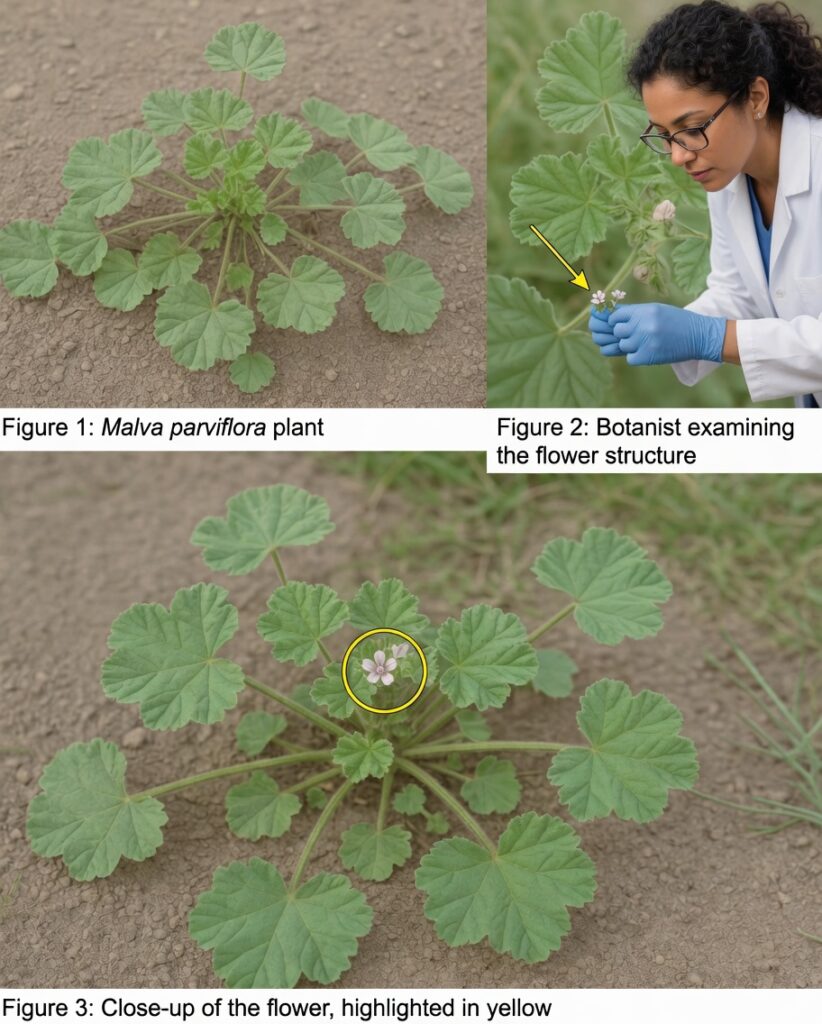
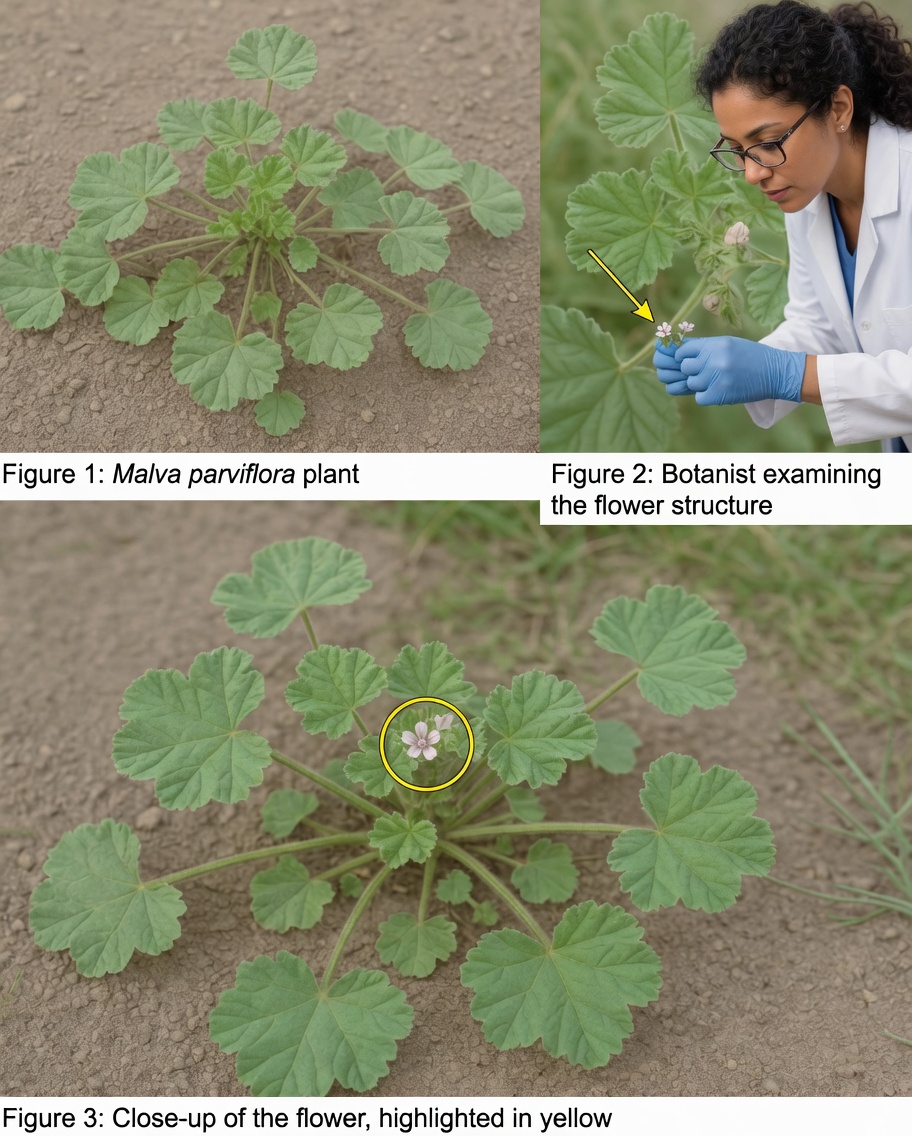
Common mallow (Malva sylvestris) grows quietly in gardens, fields, and along paths, yet it has been appreciated for centuries in traditional herbal practices for its soothing and nourishing qualities. This humble plant may offer surprisingly practical support for everyday well-being—especially when life brings the usual minor discomforts.
Why Many People Look for Simple, Natural Support
As the years go by, it’s normal to notice small changes: slower digestion, occasional skin irritation, or a general sense of fatigue. Many people prefer remedies that feel mild, affordable, and easy to incorporate—without complicated routines or expensive supplements.
This is exactly where common mallow stands out. Often overlooked, it contains naturally occurring compounds that may support the body in a gentle, supportive way.
What Makes Common Mallow (Malva sylvestris) Special?
A key component in mallow is mucilage—a gel-like substance known for its ability to coat and soothe irritated tissues. Alongside that, the plant contains flavonoids and other antioxidants, which may help protect cells from oxidative stress.
A fun historical detail: in parts of Europe, children nicknamed the plant’s small round seeds “little cheeses” because of their shape—evidence of how long it has been noticed and used in everyday life.
Easy to Find, Easy to Use—With the Right Precautions
One reason common mallow is so appealing is its availability. It often grows on its own in gardens, roadsides, and open fields during spring and summer. If you choose to harvest it, only collect it from clean areas free of pesticides and pollution, and wash it well before use.
Potential Digestive Benefits: Gentle Support for the Gut
Common mallow is frequently associated with digestive comfort. Thanks to its mucilage, it may create a protective coating in the digestive tract, helping ease minor irritation and supporting a more balanced intestinal function. In some herbal traditions, it is also used as a mild, gentle laxative.
Skin-Soothing Properties for Minor Irritation
Mallow is also known for its calming effects on the skin. When used topically, the leaves may help soften minor redness, itching, or mild irritation. Natural plant compounds with soothing, anti-inflammatory potential can make the recovery of sensitive skin feel more comfortable.
Antioxidants and Overall Support
Common mallow provides antioxidants such as vitamin C and phenolic compounds, which may help counter oxidative stress—often linked to cellular aging. Some research suggests these antioxidants may contribute to managing oxidative processes associated with various chronic conditions, supporting the body’s overall balance.
How to Prepare Common Mallow Tea (Simple Method)
A gentle way to use common mallow is as a mild herbal tea:
- Use about 1 tablespoon of fresh leaves or flowers (well washed).
- Lightly chop them.
- Add them to 1 cup of hot water (not boiling).
- Steep for 10–15 minutes.
- Strain and sip slowly.
- Suggested limit: no more than 1 cup per day.
Topical Use: A Quick Leaf Paste for Skin Comfort
For external use:
- Crush fresh leaves until they form a paste.
- Apply gently to clean skin over the irritated area.
- Leave for about 10 minutes.
- Rinse off.
Safety Notes: Use Moderately and Check for Interactions
Even natural plants should be used responsibly:
- Excessive amounts may lead to digestive discomfort.
- Before applying to the skin, do a small patch test to check for sensitivity.
- If you have diabetes, kidney problems, or take regular medications, consult a healthcare professional before using common mallow, as it may affect blood sugar levels or interact with certain treatments.
A Small Plant Worth Seeing Differently
The real beauty of common mallow lies in its simplicity. It’s a reminder that nature often offers gentle, accessible options that can complement daily self-care.
Next time you spot that small plant with purple flowers in your garden, you may look at it differently—it might just be a quiet natural gem waiting to be rediscovered.