3 Herbal Teas That May Support Strength and Mobility After 60
After age 60, it is common to notice gradual shifts in strength, balance, and ease of movement. Tasks that once felt effortless—walking to the shop, climbing stairs, or standing up from a chair—can begin to require more energy. In many cases, this reflects natural age-related changes in muscle upkeep, joint comfort, and overall vitality.
These physical changes can feel discouraging and may affect independence over time. Fortunately, a few simple daily habits can help support the body’s natural ability to stay active. One easy and enjoyable option is drinking certain warm herbal teas. When combined with regular exercise and balanced meals, these teas may help promote muscle function, comfort, and mobility. This guide covers three practical choices backed by promising research, plus easy ways to include them in your day. At the end, you’ll also find a simple tea routine designed for busy older adults.
Aging often brings challenges such as lower muscle protein synthesis and occasional inflammation, both of which can affect physical performance. Research involving older adults living independently suggests that plant compounds found in tea may offer benefits through antioxidant activity and circulation support when included in a healthy lifestyle.
Studies published in sources such as the Journal of Nutrition, Health & Aging have examined links between green tea catechins and improved physical function in seniors. Other findings point to the anti-inflammatory potential of turmeric and ginger, which may help support greater comfort during movement.
These teas are not a substitute for exercise, medical treatment, or professional advice. Still, they can be a soothing and sustainable way to nourish the body every day.
1. Green Tea: A Daily Option for Muscle Support
Green tea is well known for its high concentration of catechins, plant compounds with antioxidant properties. Some studies in older populations suggest that drinking catechin-rich tea regularly—especially alongside light physical activity—may help support walking speed and muscle preservation.
One randomized trial involving older women found that exercise combined with catechin-rich tea was associated with better leg strength and mobility over time compared with education alone.
How to drink green tea
- Enjoy 1 to 2 cups per day
- Use tea bags or loose leaves
- Steep in hot, not boiling, water for about 2 to 3 minutes
- Add a slice of lemon if you want extra flavor
- Skip sugar when possible
Green tea works especially well in the morning or early afternoon as a light, refreshing drink that may help maintain steady energy.
2. Turmeric Tea: Gentle Warmth for Everyday Comfort
Turmeric, often referred to as the golden spice, contains curcumin, a compound widely studied for its role in supporting a healthy inflammatory response. Reviews and health research suggest that curcumin may help promote joint flexibility and make movement feel more comfortable in later life.
As a warm tea, turmeric is easy to prepare and especially comforting during colder months or after a long day.
Simple golden turmeric tea recipe
- Mix 1/2 teaspoon ground turmeric or freshly grated turmeric root into hot water
- Add a pinch of black pepper to improve absorption
- Include a little cinnamon or a small slice of fresh ginger for extra warmth
- Stir thoroughly and drink slowly
A cup in the afternoon can be a calming way to support comfort and mobility.
3. Ginger Tea: A Warming Boost for Circulation and Recovery
Ginger root has a bold, spicy flavor and has been studied for its possible role in supporting blood flow and easing occasional muscle soreness after activity. Clinical reviews and health sources suggest that ginger may help improve circulation, which can indirectly support easier movement.
Many older adults also find ginger tea energizing yet soothing, making it a popular addition to an evening routine.
Quick ginger tea preparation
- Slice about 1 inch of fresh ginger, or use 1/2 teaspoon powdered ginger
- Simmer in water for 5 to 10 minutes
- Strain before drinking
- Add honey or lemon if you prefer a milder taste
One cup in the evening is often enough to enjoy its warming and relaxing effect.
Comparing the 3 Teas at a Glance
If you are deciding which tea to start with, here is a simple overview:
- Green Tea — Best known for antioxidant support, morning energy, and possible muscle maintenance
- Turmeric Tea — Focuses on comfort and flexibility, making it a strong afternoon choice
- Ginger Tea — Supports circulation and post-activity recovery, ideal for evening use
Many people enjoy rotating all three throughout the day for variety and broader support.
Easy Ways to Start Today
Adding tea to your routine does not need to be complicated. These practical steps can help make the habit stick:
- Start with one tea and try it consistently for a week
- Connect it to an existing habit, such as drinking it after breakfast or after a walk
- Make extra in advance and keep it chilled for an iced version
- Pair tea with gentle movement, like stretching or a short walk
- Track your progress for 2 to 4 weeks and note any changes in comfort, energy, or ease of movement
The key is consistency. Small actions done daily often matter more than doing everything perfectly.
A Simple Daily Tea Routine for Seniors
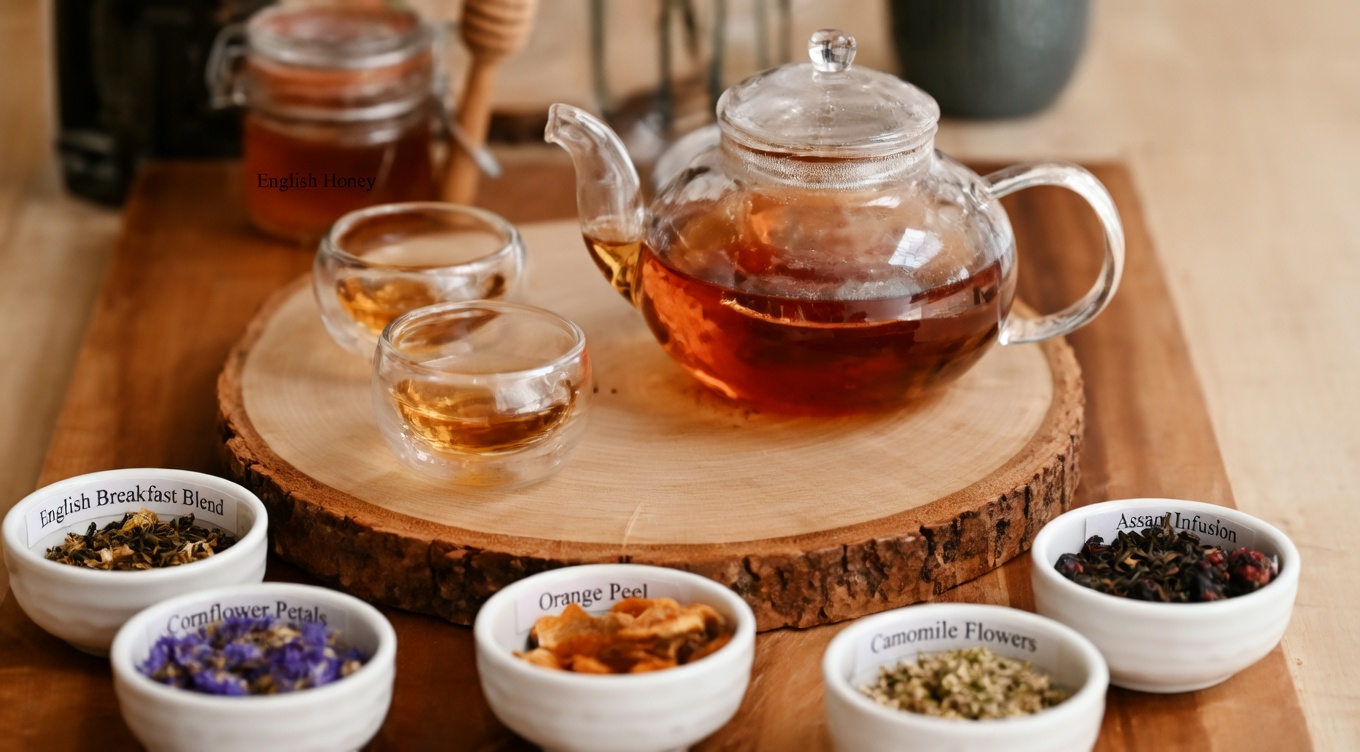
If you want an easy plan to follow, try this schedule:
- Morning: Green tea to begin the day with light energy and antioxidant support
- Afternoon: Turmeric tea for warmth, comfort, and flexibility
- Evening: Ginger tea to relax and support circulation
Adjust the amount based on your taste and tolerance, and choose fresh, good-quality ingredients whenever possible.
Frequently Asked Questions
Can I drink these teas if I take medication?
Many people can, but it is best to speak with your doctor first. This is especially important if you take blood thinners or diabetes medications, since turmeric and ginger may interact mildly in some cases.
How much tea is too much?
For most people, 2 to 3 cups total per day is a sensible amount. Drinking more may lead to stomach discomfort for some individuals.
What if I do not enjoy the flavor?
Start with milder preparations. You can add:
- Honey
- Lemon
- Cinnamon
- Plant-based milk options
Try different combinations until you find one you genuinely enjoy.
Final Thoughts
Herbal teas can be a simple and pleasant way to support strength, comfort, and mobility as you get older. While they are not a replacement for medical care or physical activity, they can fit beautifully into a healthy lifestyle. Combined with gentle exercise, quality nutrition, and enough rest, these daily tea habits may help you stay active, capable, and independent for longer.
Small steps can make a meaningful difference—and sometimes that starts with a warm cup in your hands.