
Ginger and Your Health: When This Popular Root Needs Extra Caution
Ginger is widely loved for its warming, spicy taste and its potential health-supporting properties. It shows up in everything from herbal teas and stir-fries to traditional home remedies. Yet, just because it’s “natural” doesn’t mean it’s automatically safe for everyone or in every situation—especially in high doses or supplement form.
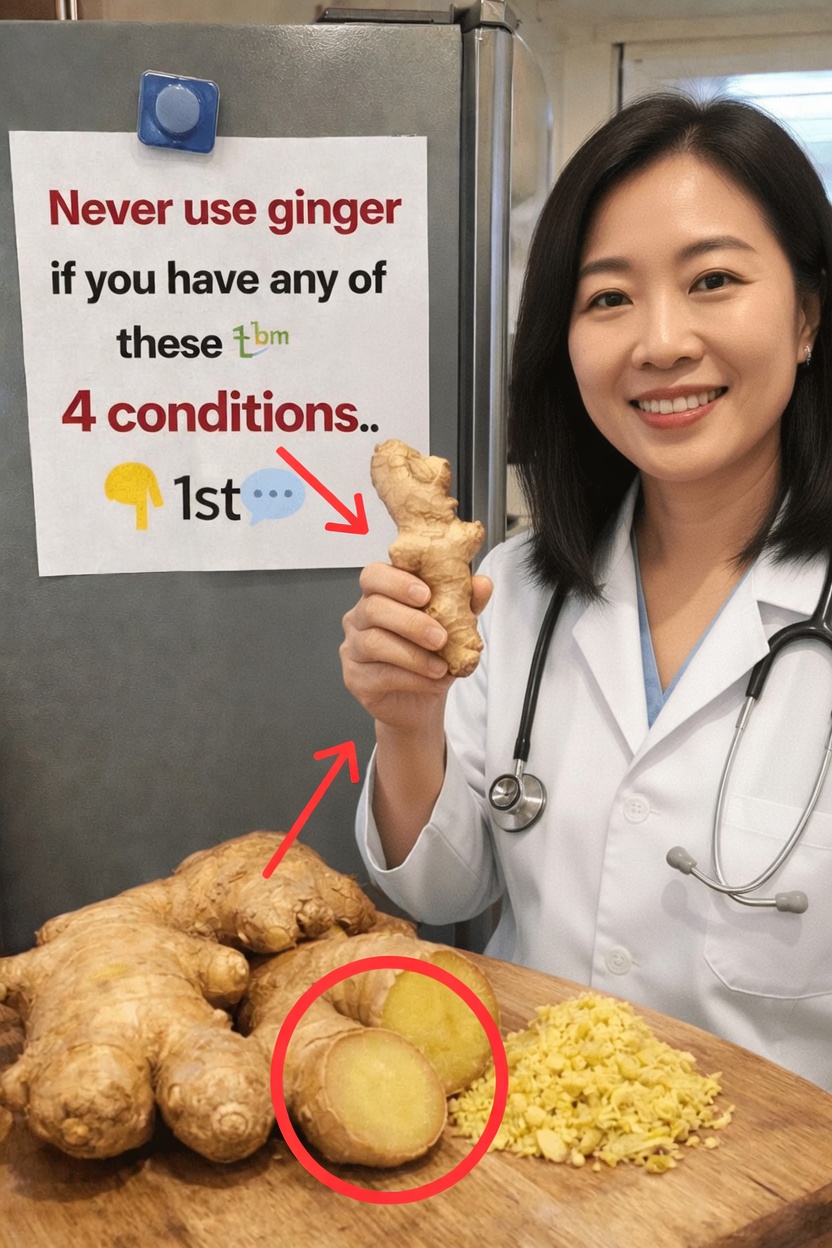
In certain health conditions, ginger can interact with medications or affect body processes in ways you might not expect. Below, you’ll find four situations where health experts often recommend using ginger carefully, along with practical tips for enjoying it more safely if it suits your needs.
Why Ginger Is So Popular for Everyday Wellness
Ginger (Zingiber officinale) has a long history in traditional medicine systems across Asia, the Middle East, and beyond. Modern research suggests that ginger may:
- Support healthy digestion
- Help ease occasional nausea (such as motion-related or post-meal discomfort)
- Provide antioxidant activity, largely due to bioactive compounds like gingerol
Reviews from organizations such as the National Center for Complementary and Integrative Health (NCCIH) indicate that, for most generally healthy adults, moderate intake—from foods and drinks totaling up to about 4 grams per day—is usually well tolerated.
Common ways people use ginger include:
- Slicing fresh ginger into teas or infusions
- Grating it into marinades, curries, and stir-fries
- Using powdered ginger in baking or seasoning blends
However, not everyone responds the same way. Your personal health history, the amount you consume, and whether you’re using fresh ginger, dried powder, or concentrated supplements can all influence how your body reacts. That’s why understanding when you may need extra caution is so important.

Four Situations Where You Should Be Cautious With Ginger
Information from reputable medical sources and research summaries—similar to those found on WebMD, Mayo Clinic–style resources, and peer-reviewed articles—suggests that ginger’s natural effects may be problematic in some circumstances. Here are four key scenarios to be aware of.
1. If You Have a Bleeding Disorder or Take Blood-Thinning Medications
Ginger contains compounds that may influence blood clotting mechanisms. In some individuals, especially at higher intakes, this could slightly increase the tendency to bleed.
You should be particularly careful if:
- You have a known bleeding or clotting disorder
- You’re taking blood-thinning medications such as warfarin, high-dose aspirin, or other anticoagulant or antiplatelet drugs
Research references, including reviews from sources like NCBI and consumer health sites, often note this potential interaction. If you’re in this group, it’s wise to:
- Avoid large doses of ginger or concentrated supplements
- Discuss regular or high-frequency ginger use with your healthcare provider first
2. If You Have Gallstones or Gallbladder Issues
Ginger can stimulate the production and flow of bile, which helps the body digest fats. For many people, this is beneficial. But if you have gallstones or an existing gallbladder condition, this same effect could theoretically aggravate symptoms.
In people with a history of gallbladder problems, increased bile flow might:
- Trigger pain or discomfort
- Potentially increase the risk of complications in some cases
If you’ve been diagnosed with gallstones, have had gallbladder attacks, or have been advised to monitor your gallbladder health, speak with your doctor before adding ginger in larger amounts to your daily routine.
3. If You’re Using Certain Diabetes Medications
Ginger may have an impact on blood sugar regulation in some individuals. While modest amounts might be neutral or occasionally helpful, this can become a concern if you’re already taking medication that lowers blood glucose.
This is especially relevant if you:
- Use insulin
- Take oral diabetes medications designed to reduce blood sugar
Combining these medications with consistent or high-dose ginger intake might contribute to blood sugar levels dropping lower than you or your provider intended. Because of this:
- Monitor your blood glucose regularly if you consume ginger often
- Let your healthcare team know about any herbal products or supplements you use, including ginger
4. If You Have Certain Heart Conditions or Take Heart/Blood Pressure Medications
In larger quantities, ginger may affect cardiovascular parameters in sensitive people, including changes in blood pressure or heart rate.
This may concern individuals who:
- Have specific types of heart disease
- Are on medications to control blood pressure or heart rhythm
Not everyone will notice these effects, but experts typically advise:
- Avoiding very high doses or aggressive supplementation without medical supervision
- Staying within food-level amounts and checking in with your doctor if you have any heart-related diagnosis
Ginger can still have a place in many people’s diets, but the key is to match how you use it with your personal health profile.

How to Use Ginger More Safely: Practical Tips
If you don’t fall into any of the higher-risk categories mentioned above—or you’ve already cleared it with your healthcare provider—there are thoughtful ways to add ginger to your routine:
-
Start Low and Go Slow
Begin with small amounts, such as 1–2 grams per day from food (for example, a few thin slices in a cup of hot water or a small grating into a dish). See how your body responds before increasing. -
Prioritize Culinary Uses Over High-Dose Supplements
Ginger used in cooking or as a mild tea is generally less concentrated than capsules, extracts, or powders formulated as supplements. Food forms are often a gentler starting point. -
Listen to Your Body’s Feedback
Some people may notice mild side effects such as heartburn, stomach upset, or a warming sensation. If this happens, reduce the amount, use ginger with food, or space out your intake. -
Consider Timing for Occasional Nausea
When using ginger to help with occasional nausea (like motion discomfort), sip ginger tea gradually instead of drinking large amounts at once. This can be easier on the stomach. -
Combine with Familiar Ingredients
Pair ginger with common additions like lemon or honey in tea to dilute the intensity while still enjoying the flavor and potential benefits, without feeling pressured to consume large quantities.
These strategies can help you enjoy ginger’s characteristic warmth while reducing the chance of unwanted effects.
Ginger Intake: Everyday Use vs. Higher Doses
The way your body responds to ginger can depend heavily on how much you use and in what form. Here’s a side-by-side look:
| Aspect | Typical Intake (Food/Tea, ~1–4 g/day) | Higher Intake (Supplements, usually >5 g/day) |
|---|---|---|
| Overall Tolerance | Generally well tolerated by most healthy adults | Greater likelihood of mild side effects or discomfort |
| Digestive Impact | May support comfortable digestion | May contribute to heartburn, stomach upset, or irritation in some |
| Interaction with Medications | Lower chance of interactions at modest food-level amounts | Higher potential for interaction with certain drugs/conditions |
| Best Use Case | Day-to-day wellness and flavor enhancement | Only with individualized guidance from a healthcare professional |
For most people, staying within moderate, food-based amounts is a sensible and safer approach.
Final Thoughts: Ginger as Part of a Balanced Lifestyle
Ginger can be a flavorful, health-supportive addition to many diets when used thoughtfully. The most important step is staying informed: understand your own medical conditions, be aware of your medications, and recognize where caution is advised.
By aligning your ginger intake with your personal health situation—and involving your healthcare provider when needed—you can decide whether ginger has a comfortable place in your daily routine.
Frequently Asked Questions (FAQ)
Is ginger safe during pregnancy?
Many pregnant individuals use ginger in small amounts to help with occasional nausea, such as morning sickness. However, because pregnancy is a unique and sensitive time, high intakes or concentrated supplements should only be used under the guidance of your healthcare provider. Individual responses and recommendations can vary.
Can I drink ginger tea every day?
For most generally healthy adults, drinking ginger tea daily in moderate amounts (for example, 1–3 cups made with modest amounts of ginger) is usually considered reasonable. Start with weaker brews or smaller portions and observe how you feel.
What should I do if I notice heartburn or mild stomach discomfort?
Ginger, like many strong spices, can sometimes irritate sensitive stomachs. If you experience heartburn or digestive discomfort:
- Reduce the quantity you’re using
- Dilute your ginger tea more
- Try consuming ginger with food rather than on an empty stomach
If symptoms persist or worsen, it’s best to stop using ginger and consult a healthcare professional.