Ginger and Cloves: Warming Spices with Powerful Potential
Ginger and cloves are two aromatic kitchen staples often paired in teas, home remedies, and recipes around the world. Both are prized for their bold flavors and their concentration of plant-based compounds that may support overall wellness. While research is ongoing and evidence is stronger for some uses than others, many people enjoy combining ginger and cloves for their complementary taste and potential health benefits.
Quick Profile: Ginger
Botanical name: Zingiber officinale
Key active compound: Gingerol – responsible for ginger’s characteristic warmth and spicy kick.
Common traditional uses:
- Easing mild stomach upset or nausea
- Supporting healthy digestion
- Providing comfort for occasional joint or muscle tension
Ginger has long been featured in herbal traditions, cooking, and beverages for both its flavor and its soothing properties.
Quick Profile: Cloves
Botanical name: Syzygium aromaticum
Key active compound: Eugenol – a strong-smelling, pungent compound known for its numbing and aromatic effects.
Common traditional uses:
- Natural antimicrobial support for oral and digestive health
- Mild pain relief and anti-inflammatory support
- Adding warmth and depth to both sweet and savory dishes
Cloves are highly concentrated in flavor and are often used sparingly due to their intense aroma and taste.
Why Use Ginger and Cloves Together?
1. Harmonious Flavors and Aromas
- Warm and spicy profile:
- Ginger provides a zesty, peppery heat.
- Cloves contribute a sweet, slightly bitter, and pungent warmth.
- When used together in ginger and clove tea, baked goods, curries, or marinades, they create a layered, comforting flavor that feels especially suitable for cooler weather or soothing drinks.
2. Potential Anti-Inflammatory Support
- Gingerol in ginger and eugenol in cloves have shown anti-inflammatory activity in laboratory and experimental settings.
- Many people turn to ginger and clove remedies—such as warm teas, compresses, or infused oils—as a gentle, traditional option for mild aches, stiffness, or general discomfort.
- More high-quality human studies are still needed, so they should be seen as supportive, not as a replacement for medical treatment.
3. Digestive Comfort
-
Ginger is often used to:
- Soothe mild nausea (such as motion-related or occasional digestive upset)
- Encourage appetite
- Support overall digestive function
-
Cloves have historically been used to:
- Reduce gas and bloating
- Ease occasional digestive discomfort
-
Together:
The warming nature of both ginger and cloves may help promote a sense of comfort in the stomach, making a ginger and clove infusion a popular choice after meals or during times of digestive unease.
4. Antioxidants and Immune Support
-
Rich in antioxidants:
Both spices contain antioxidant compounds that help the body combat oxidative stress caused by free radicals. This antioxidant activity is one reason they are often included in immunity-supporting drinks and tonics. -
Aromatics for respiratory comfort:
The strong, warming aroma of ginger and cloves is used in many traditional practices to:- Help open the sinuses
- Provide a sense of relief from mild congestion
- Offer soothing comfort during seasonal changes
While they are not cures for respiratory conditions, some people find inhaling the steam from ginger and clove tea or enjoying these spices in warm beverages comforting.
5. Culinary Versatility
Ginger and cloves are incredibly adaptable in the kitchen and can enhance a wide range of recipes:
-
Savory dishes:
- Add to soups, stews, curries, marinades, and stir-fries for complexity and warmth.
-
Sweet recipes:
- Elevate cookies, cakes, pies, and holiday treats.
- Perfect in spiced beverages like chai, mulled cider, or festive punches.
-
Teas and infusions:
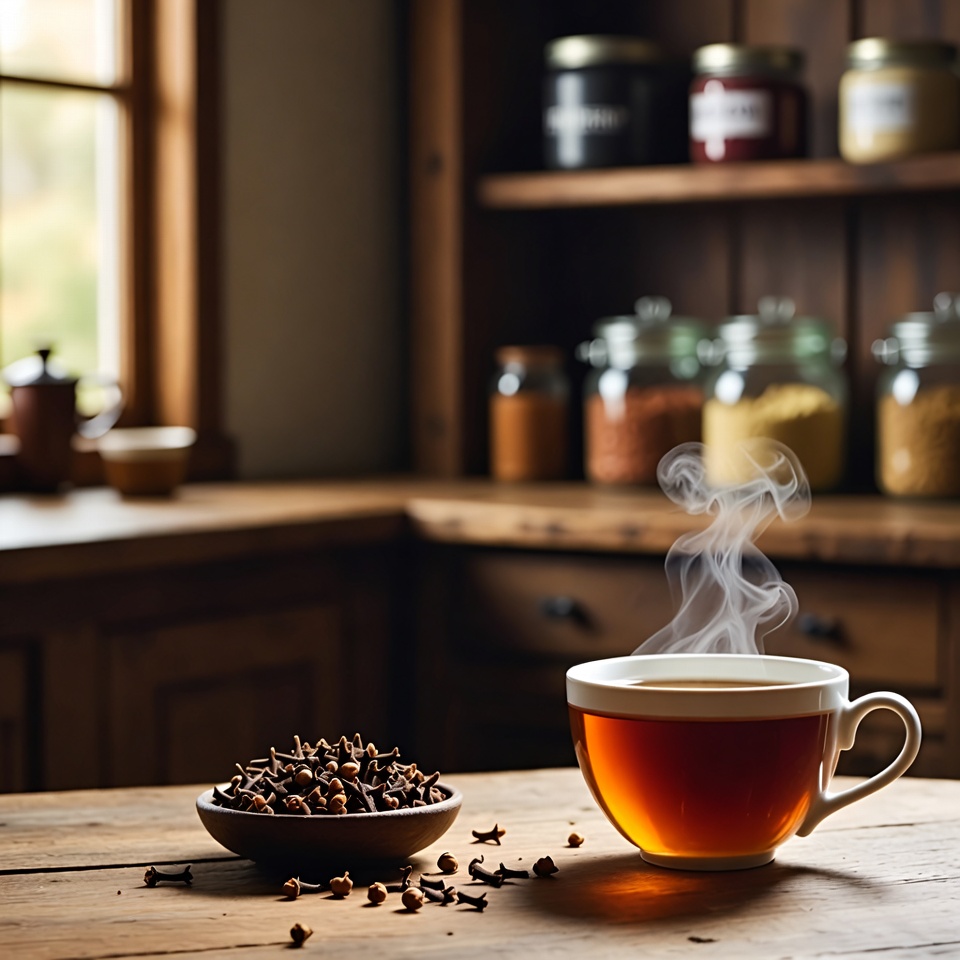
- Brew fresh ginger with whole or ground cloves for a soothing ginger and clove tea.
- Optional additions: honey, lemon, cinnamon, or cardamom for extra flavor and comfort.
6. Traditional Oral Health Uses
-
Clove oil for dental care:
Eugenol in clove oil has numbing and antimicrobial properties. Traditionally, clove oil has been dabbed (in very small amounts and properly diluted) to help ease mild toothache discomfort or support oral hygiene. Professional guidance is important here, as improper use can irritate tissues. -
Fresher breath:
- Ginger and cloves are both used to help neutralize unpleasant mouth odors.
- Chewing on a small piece of ginger or a clove (or using them in mouth rinses, where appropriate) may leave the mouth feeling cleaner and fresher.
Practical Tips for Using Ginger and Cloves
Fresh vs. Dried Forms
-
Ginger:
- Fresh ginger root is typically highest in gingerol and offers a bright, sharp heat.
- Dried or powdered ginger has a slightly different flavor—warmer, less sharp—and is convenient for baking, spice blends, and quick teas.
-
Cloves:
- Most commonly used dried, either as whole cloves or ground.
- Whole cloves are ideal for simmering in teas, broths, and sauces, then removed before serving.
- Ground cloves are very potent and should be used sparingly to avoid overpowering the dish.
Use in Moderation
Both ginger and cloves are strong, concentrated spices.
- Typical culinary amounts are generally considered safe for most healthy adults.
- Consuming them in very large quantities may:
- Irritate the digestive system
- Interact with certain medications (especially blood thinners)
If you take prescription drugs or have chronic health conditions, speak with a healthcare professional before using high-dose supplements or large amounts of these spices regularly.
How to Make a Simple Ginger and Clove Tea
A basic ginger and clove tea is easy to prepare:
- Slice a few thin pieces of fresh ginger root.
- Add 2–3 whole cloves.
- Simmer in water for about 10–15 minutes.
- Strain the liquid into a cup.
- Sweeten with a little honey or add lemon if desired.
This warm infusion is often enjoyed for its comforting, soothing qualities, especially in cooler weather or after a heavy meal.
Storage Tips
-
Ginger root:
- Store fresh ginger in the refrigerator (unpeeled) to keep it firm and flavorful.
- For longer storage, freeze whole pieces and grate directly from frozen as needed.
-
Cloves:
- Keep in an airtight container, away from direct light, heat, and moisture.
- Proper storage helps preserve their essential oils, aroma, and potency.
Consider Your Health Status
Before significantly increasing your intake of ginger and cloves—especially in concentrated forms—consider the following:
- You take blood thinners, antiplatelet drugs, or have bleeding disorders.
- You have digestive issues such as ulcers, severe acid reflux, or chronic gastrointestinal conditions.
- You are pregnant, breastfeeding, or managing complex health conditions.
In these situations, consult a qualified healthcare provider for personalized guidance on how to incorporate these spices safely.
Bottom Line
Ginger and cloves are more than just flavorful additions to your spice rack. They are warming, aromatic spices rich in compounds like gingerol and eugenol, which are associated with anti-inflammatory and antioxidant properties.
Used together—in teas, culinary dishes, or traditional home remedies—they offer:
- A complex, comforting flavor profile
- Potential support for digestion
- Antioxidant and mild immune-supportive effects
- Traditional benefits for oral and respiratory comfort
Enjoy ginger and cloves in moderation as part of a balanced diet, and seek medical advice if you have specific health concerns, take medications, or are considering high-dose use. Their synergy in both taste and tradition makes them a valuable pair in the kitchen and beyond.