Garlic Benefits, Safe Use, and 7 Mistakes to Avoid
Garlic is a member of the allium family and is rich in sulfur-based compounds, especially allicin, which develops when a clove is crushed or chopped. Research, including reviews from institutions such as the Linus Pauling Institute and multiple clinical studies, suggests these compounds may help support heart health by modestly promoting healthy cholesterol and blood pressure levels in some individuals. Garlic has also been linked to immune support, with evidence indicating it may help lower the frequency of common colds.
For most adults, moderation is the key. Eating about 1 to 2 cloves per day as part of regular meals is often enough to enjoy its potential benefits without unwanted side effects.
7 Common Garlic Mistakes to Avoid
Using garlic the right way can help you get the most from its flavor and health-supporting properties. Below are some of the most common mistakes people make.
1. Eating Too Much Garlic at One Time
Consuming too much garlic, especially raw garlic, may lead to digestive discomfort such as heartburn, gas, bloating, or nausea. Large amounts can also cause stronger breath and body odor. A moderate intake of 1 to 2 cloves daily is a widely accepted guideline.
2. Taking Garlic on an Empty Stomach
Raw garlic first thing in the morning does not work well for everyone. In some people, it can irritate the stomach lining and make acid reflux or indigestion worse. If you prefer raw garlic, it is usually better to eat it with food.
3. Keeping Homemade Garlic in Oil at Room Temperature
This is one of the most important safety issues. Garlic is a low-acid food, and when it is stored in oil without proper acidification, it can create the right conditions for Clostridium botulinum to grow and produce toxins. This is associated with botulism risk. Health authorities such as the USDA and CDC recommend refrigerating homemade garlic oil and using it quickly, ideally within a few days. If possible, avoid long storage altogether. Store-bought garlic oils are often safer because they contain added acids or preservatives.
4. Overlooking Drug Interactions
Garlic may have a mild blood-thinning effect. Because of this, it can increase the effects of medications such as warfarin or even aspirin, which may raise the risk of bleeding, especially before surgery. If you are taking blood thinners or similar medications, speak with your healthcare provider before using garlic regularly in larger amounts.
5. Cooking Garlic Too Long or Burning It
Exposing garlic to high heat for too long can reduce its beneficial sulfur compounds and leave it with a bitter taste. For better flavor and greater nutritional value, cook it gently over medium-low heat instead of frying it aggressively.
6. Using Garlic That Is Old, Sprouted, or Moldy
Garlic that has sprouted, softened, or developed mold is no longer at its best. It may lose strength and could contain unwanted growth. Fresh garlic bulbs should feel firm and have tight, dry skins. Throw away cloves that are soft, discolored, or moldy.
7. Cooking Garlic Immediately After Chopping
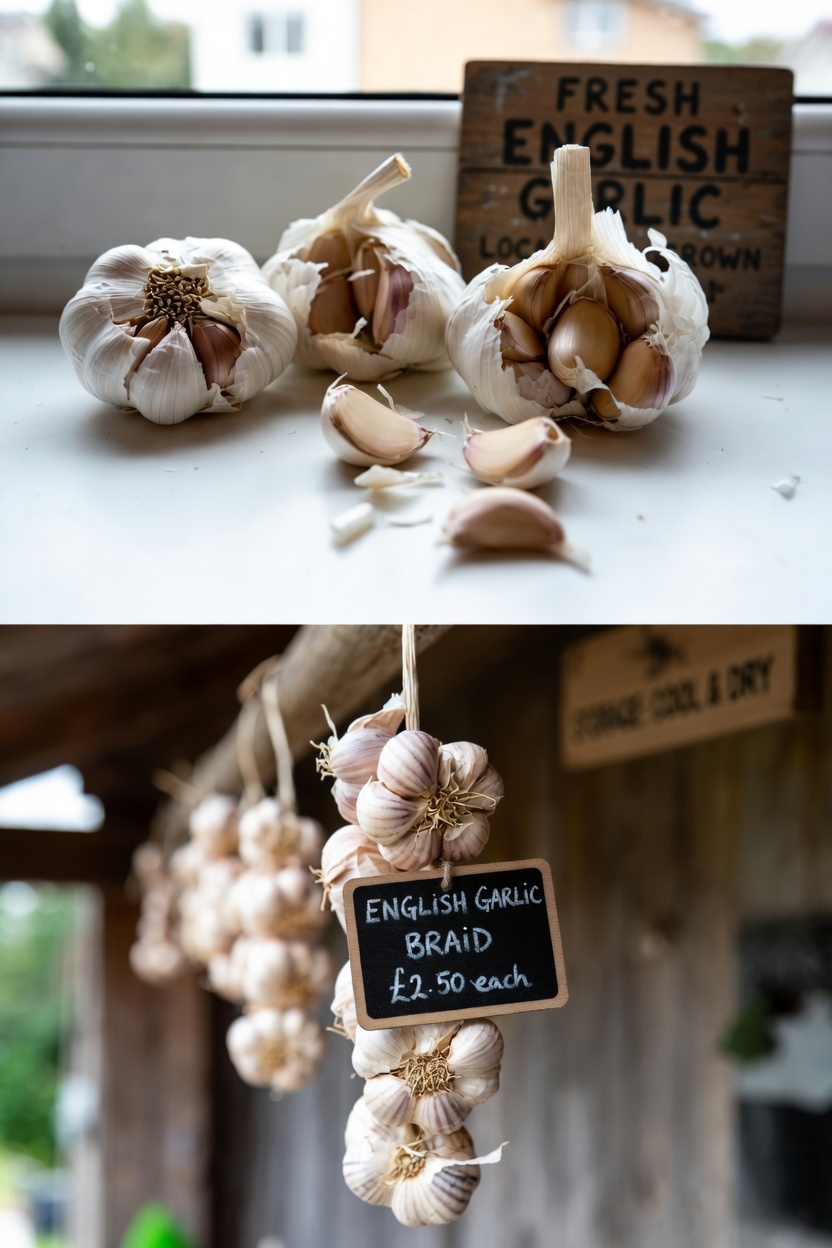
Allicin forms only after garlic is crushed or chopped. Letting it rest for about 10 to 15 minutes before eating or cooking can help maximize the formation of this compound. Skipping this step may reduce some of garlic’s potential benefits.
Smarter Ways to Add Garlic to Your Daily Diet
If you want better results from garlic, these practical habits can help:
- Pick fresh bulbs: Choose garlic that feels firm, plump, and covered with tight skin.
- Prepare it correctly: Crush or chop the cloves, then allow them to sit briefly before use.
- Cook it gently: Add garlic toward the end of cooking when possible to preserve more of its compounds.
- Start small: If raw garlic is new to you, begin with a small amount and see how your body responds.
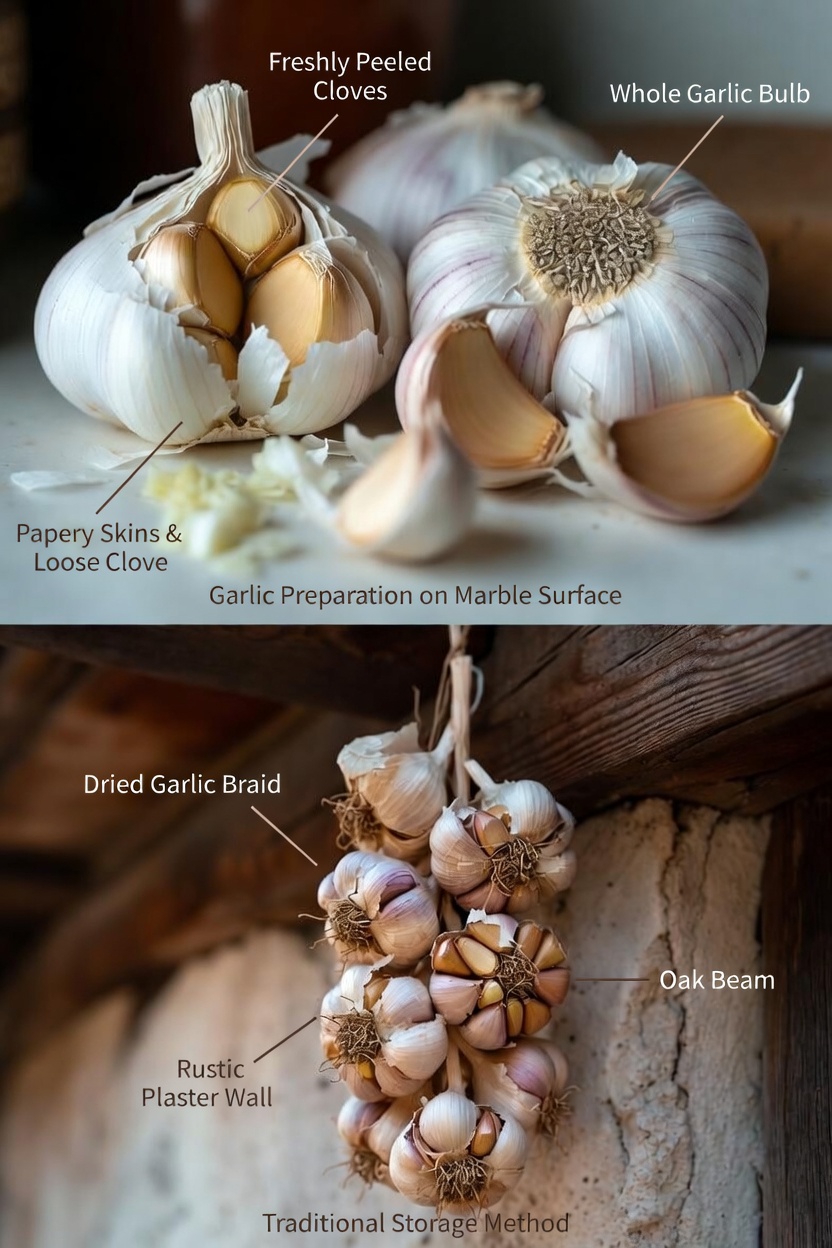
- Store it properly: Keep whole bulbs in a cool, dry place rather than the refrigerator. Peeled cloves can be chilled, but fresh whole garlic is usually best.
Raw Garlic vs. Cooked Garlic
Both raw and cooked garlic can be valuable, but they are not exactly the same.
- Raw garlic: Contains more allicin, has a stronger taste, and is more likely to leave pungent breath.
- Cooked garlic: Offers a milder flavor, is often easier on digestion, and still provides supportive compounds.
Research suggests both forms can be beneficial, although raw garlic may have a slight advantage in short-term effects because of its higher allicin content.
Make Garlic Work for You
Garlic is a flavorful and research-supported ingredient that can be a smart addition to everyday meals when used properly. By avoiding common mistakes such as overconsumption, unsafe garlic-in-oil storage, or excessive cooking, you can enjoy both its taste and its potential health benefits more comfortably.
Aim for balance. Add garlic to stir-fries, soups, salad dressings, roasted vegetables, or savory sauces. Pay attention to how your body reacts, and reduce the amount if it causes discomfort.
Frequently Asked Questions
Is it safe to eat raw garlic every day?
For most people, yes, as long as the amount is small, such as 1 clove per day. Raw garlic may support overall wellness, but eating too much or having it on an empty stomach can trigger digestive issues.
Does cooking garlic remove its health benefits?
Not completely. Heat lowers some active compounds, but others remain. Gentle cooking methods usually preserve more benefits than very high-heat cooking.
Can garlic help with immunity or colds?
Some studies suggest that regular garlic intake may support immune function and may even help reduce the duration or frequency of colds. However, it is not a cure and should be part of a broader healthy lifestyle.