
Mint and Heart Health: A Simple Plant-Based Addition for Cardiovascular Support
Heart health depends on several key factors, including stable blood pressure, balanced cholesterol, and blood vessels that remain flexible and responsive. Evidence suggests that foods rich in antioxidants, along with herbs known for their soothing effects, may support cardiovascular wellness when included in a healthy overall diet.
Among these herbs, plants from the Mentha family—especially peppermint and spearmint—have attracted research interest for their possible effects on systolic blood pressure and other heart-related markers. Some randomized trials and smaller studies have reported mild improvements in blood pressure after regular use of peppermint oil or mint extracts. These effects may be linked to active compounds such as menthol, which appears to encourage blood vessel relaxation and provide antioxidant support.
Researchers have also noted that mint varieties may offer anti-inflammatory and vasodilatory benefits, both of which are relevant to cardiometabolic health. Although findings are not identical across all studies, and some results are modest, people starting with higher blood pressure readings often seem to show more noticeable changes.
This fits with the wider body of research supporting plant-based foods for heart wellness, especially those containing flavonoids and polyphenols.

Key Benefits of Mint for Cardiovascular Health
Mint—particularly peppermint (Mentha piperita)—may contribute to heart support in several indirect but meaningful ways.
- May help blood vessels relax: Menthol can stimulate receptors involved in vessel dilation, which may promote smoother blood flow.
- Provides antioxidant defense: Compounds such as rosmarinic acid may help reduce oxidative stress, an important factor in maintaining healthy blood vessels.
- Shows potential for blood pressure support: Small human trials suggest peppermint supplements may modestly reduce systolic blood pressure in certain individuals, possibly due to its calming and vessel-relaxing properties.
- May support healthy lipid levels: Early research points to possible benefits for triglycerides and cholesterol balance.
Spearmint may offer similar antioxidant effects and could complement peppermint with additional relaxing properties.
While traditional use and preclinical research are encouraging, human evidence is still developing. The current data are promising, but stronger and larger studies are still needed.
Easy Ways to Add Mint to Your Routine
Using mint every day is both easy and refreshing. You do not need large amounts—regular intake matters more than quantity.
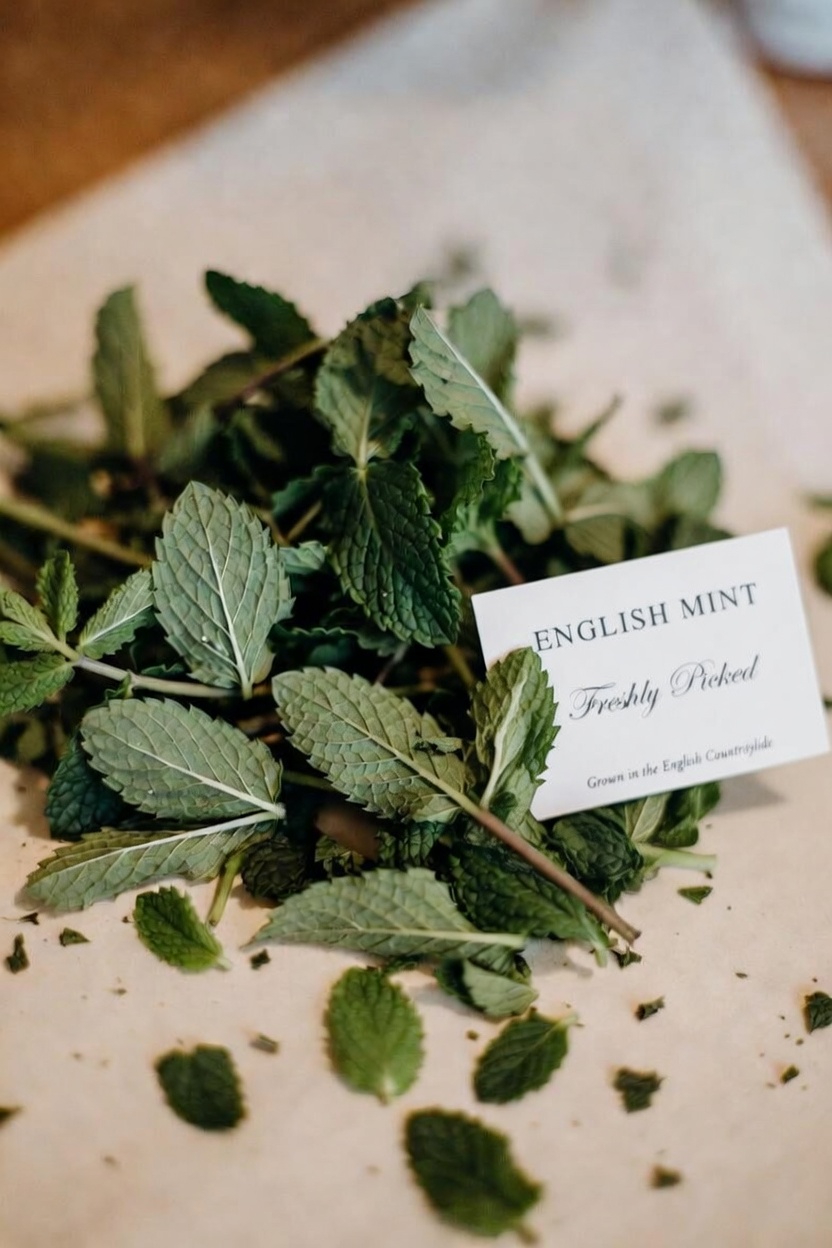
1. Make Fresh Mint Tea
Steep 5 to 10 fresh mint leaves, or 1 to 2 teaspoons of dried mint, in hot water for 5 to 10 minutes. Drinking 1 to 2 cups a day is a simple place to start.
2. Add Mint to Meals
Chop fresh leaves into:
- Salads
- Smoothies
- Yogurt bowls
- Grain dishes
This adds flavor without adding many calories.
3. Prepare Mint-Infused Water
Place a handful of fresh leaves in a pitcher of water and let it sit overnight. This creates a light, refreshing drink that may help you stay hydrated.
4. Mix Mint With Other Herbs or Fruits
Pair mint with ingredients like:
- Lemon
- Ginger
- Cucumber
These combinations can improve flavor and add extra wellness value.
Other Heart-Healthy Foods That Pair Well With Mint
Mint works best as part of a broader heart-conscious eating pattern. Pair it with nutrient-rich foods such as:
- Leafy greens like spinach and kale, which contain nitrates that may support vessel flexibility
- Berries such as blueberries and strawberries, known for their high antioxidant content and inflammation-fighting potential
- Fatty fish like salmon, which supplies omega-3 fats that help maintain healthy triglyceride levels
- Nuts including almonds and walnuts, which provide fiber and heart-friendly fats
- Whole grains such as oats, which contain beta-glucan that may help manage cholesterol
Building meals around these foods can support cardiovascular function over the long term.
A Simple 10-Day Mint Habit Plan
If you want to make mint part of your routine, try this gradual 10-day plan.
Days 1-3
- Drink mint tea in the morning
- Add fresh mint to your lunch salad
Days 4-6
- Sip mint-infused water during the day
- Notice your energy, hydration, and overall comfort
Days 7-10
- Use mint in evening meals
- Try it as a seasoning for vegetables, grains, or proteins
To strengthen the benefits, combine this habit with daily movement such as walking and basic stress-reduction practices.
Mint vs. Common Everyday Habits
Small food choices can have a meaningful impact over time. Here is a quick comparison between adding mint and relying on a typical processed snack habit.
| Aspect | Mint Inclusion | Typical Processed Snack Approach |
|---|---|---|
| Antioxidant support | High, due to flavonoids and menthol-related compounds | Low |
| Potential blood pressure effect | Modest positive effect in some studies | Often neutral or less supportive |
| Ease of daily use | Very easy through tea, infused water, or fresh leaves | Convenient, but usually less beneficial |
| Calorie impact | Very low | Often high |
This comparison shows why replacing some processed choices with natural plant-based options may be worthwhile.
Conclusion: Small Choices Can Support Long-Term Heart Wellness
Adding mint to your diet is a simple, practical way to support cardiovascular health as part of a balanced lifestyle. Its potential benefits—such as antioxidant protection, possible blood vessel relaxation, and mild blood pressure support—make it a useful addition to a heart-friendly eating pattern.
The most effective approach is not to rely on mint alone, but to focus on consistency, dietary variety, regular physical activity, and well-balanced meals. These steady habits are far more valuable than chasing fast results or miracle solutions.
Frequently Asked Questions
Can I drink mint tea every day?
Yes. Most people tolerate 1 to 3 cups of mint tea per day without problems. It is naturally caffeine-free and can help with hydration. If you are sensitive to herbs or digestive changes, begin with a smaller amount.
Does mint interact with medications?
Mint is generally considered safe for most people. However, if you take blood pressure medication or other heart-related prescriptions, it is best to speak with your doctor first, since natural compounds can sometimes affect how medications work.
Which type of mint is best for heart support?
Peppermint is most often mentioned in research because of its menthol content, but spearmint also contains valuable antioxidants and may offer similar supportive effects. When possible, choose fresh, high-quality, or organic mint.