
Foods to Limit in a Child’s Diet for Better Long-Term Health
A child’s body is still growing, and the habits formed early often shape food choices later in life. Research indicates that diets built around ultra-processed foods—products heavily altered with added sugar, salt, fats, and preservatives—are associated with a greater likelihood of weight gain and related health problems. Groups like the American Cancer Society advise families to focus more on whole foods and reduce intake of these heavily processed options to support overall health.
There is another important reason to cut back. When children eat too many processed foods, those items can replace more nourishing choices such as fruits, vegetables, legumes, and whole grains. These natural foods provide valuable nutrients including fiber, vitamins, minerals, and antioxidants, all of which help support healthy growth and long-term wellness.

1. Processed Meats: Hot Dogs, Bacon, and Deli Meat
Foods like hot dogs, bacon, sausage, and packaged sandwich slices are popular because they are quick and convenient. However, they are often high in sodium, saturated fat, and preservatives such as nitrates and nitrites. The International Agency for Research on Cancer has classified processed meat as carcinogenic to humans, with strong evidence connecting long-term intake to a higher risk of colorectal cancer.
For children, eating these foods often may also contribute to inflammation and poor overall diet quality over time. Replacing them with fresher protein sources is a smarter choice.
Better alternatives:
- Use grilled chicken, turkey, or eggs in sandwiches.
- Add variety with bean spreads such as hummus.
- Make homemade meatballs using lean ground meat and simple ingredients.
2. Sugar-Sweetened Drinks: Soda, Fruit Punch, and Sweetened Juice
Sugary drinks are one of the easiest ways for children to consume excess calories without gaining much nutrition. Soft drinks, fruit punches, sports drinks, and many sweetened juices are loaded with added sugar and offer very little in return. Regular consumption is linked with a higher risk of childhood obesity, which itself is associated with increased risk for several chronic diseases, including certain cancers.
These beverages can also reduce a child’s intake of healthier drinks such as water or milk. Health experts generally recommend avoiding sugary drinks for very young children and keeping them minimal for older kids.
Healthier swaps:
- Serve water infused with lemon, cucumber, or berries for natural flavor.
- Offer unsweetened milk or fortified plant-based alternatives as daily options.
- Keep sweet beverages as an occasional treat, not an everyday habit.
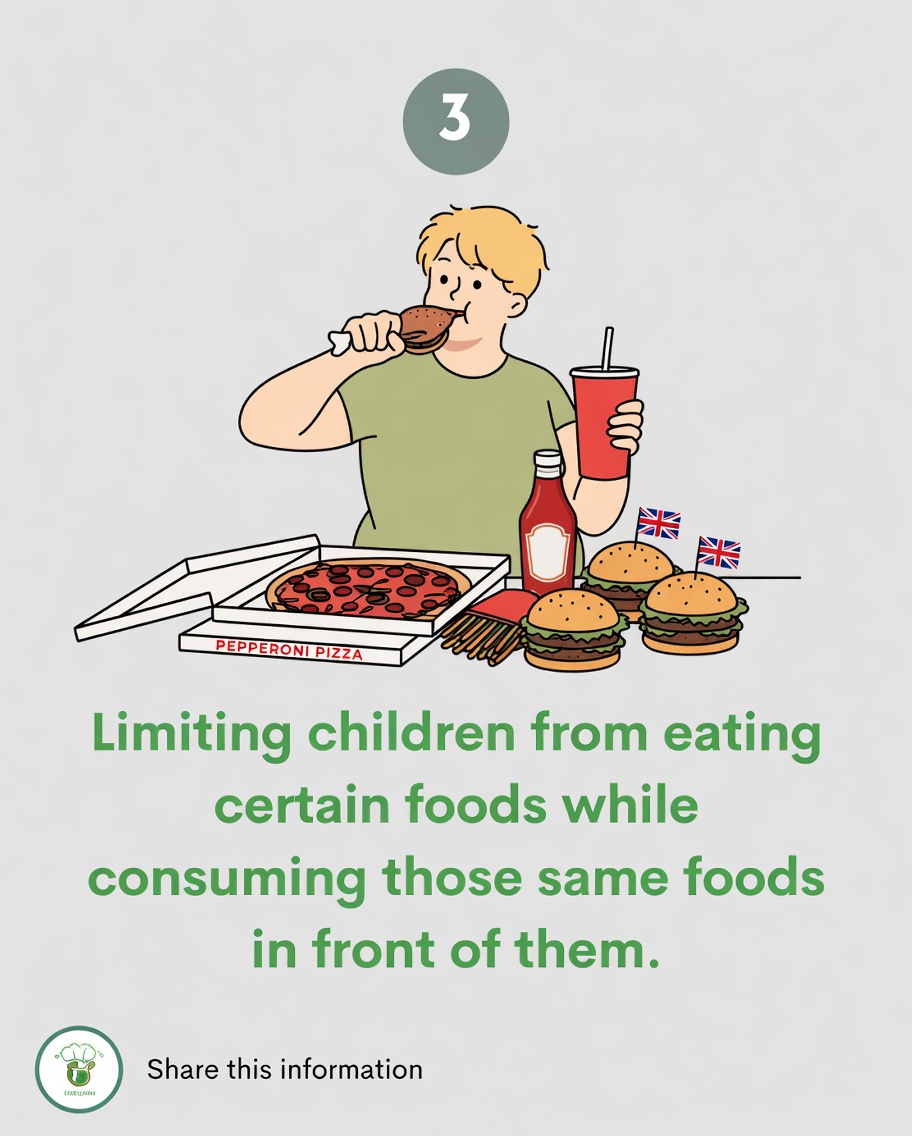
3. Ultra-Processed Snacks: Chips, Cookies, and Packaged Pastries
Many snack foods marketed to kids fall into the ultra-processed category. This includes chips, packaged cookies, snack cakes, pastries, and similar grab-and-go items. They are typically made with refined flour, added sugars, unhealthy fats, and artificial ingredients. Emerging population research has linked high intake of ultra-processed foods with a greater risk of several health issues, including some cancers such as colorectal and breast cancer.
Another concern is how easily these snacks can replace more nutritious foods. Their texture, flavor, and convenience can encourage overeating while reducing interest in healthier choices.
Smarter snack ideas:
- Bake simple oat-based cookies sweetened with fruit.
- Make air-popped popcorn and season it with herbs.
- Keep cut vegetables with yogurt dip ready in the fridge.
4. Red Meat in Excess: Burgers, Sausages, and Similar Meals
Red meat can provide useful nutrients such as iron, zinc, and protein, so it does not need to be eliminated completely. Still, frequent intake—especially when portions are large or the meat is processed—has been associated with a probable increase in colorectal cancer risk according to expert evaluations.
For children, the goal is balance. Serving red meat too often may mean more saturated fat and less room in the diet for poultry, fish, beans, lentils, and other nutrient-rich proteins.
Balanced choices include:
- Offer lean cuts occasionally and serve them with lots of vegetables.
- Use lentils or chickpeas in tacos, soups, or chili.
- Include fish like salmon for beneficial omega-3 fats.
5. Fast Food and Highly Processed Ready Meals
Frozen dinners, instant noodles, fast-food meals, and many ready-made convenience foods often contain several nutritional drawbacks at once. They are commonly high in sodium, unhealthy fats, and refined carbohydrates, while being low in fiber and fresh ingredients. Relying on these foods too often can contribute to an overall eating pattern linked with chronic disease risk, including some forms of cancer.
The solution is not perfection—it is choosing these foods less often and preparing simpler meals at home whenever possible.
Easy family-friendly options:
- Batch-cook stir-fries, rice bowls, or pasta dishes with vegetables and lean protein.
- Freeze homemade meals in portions for busy evenings.
- Let children help prepare food to build positive habits around real ingredients.
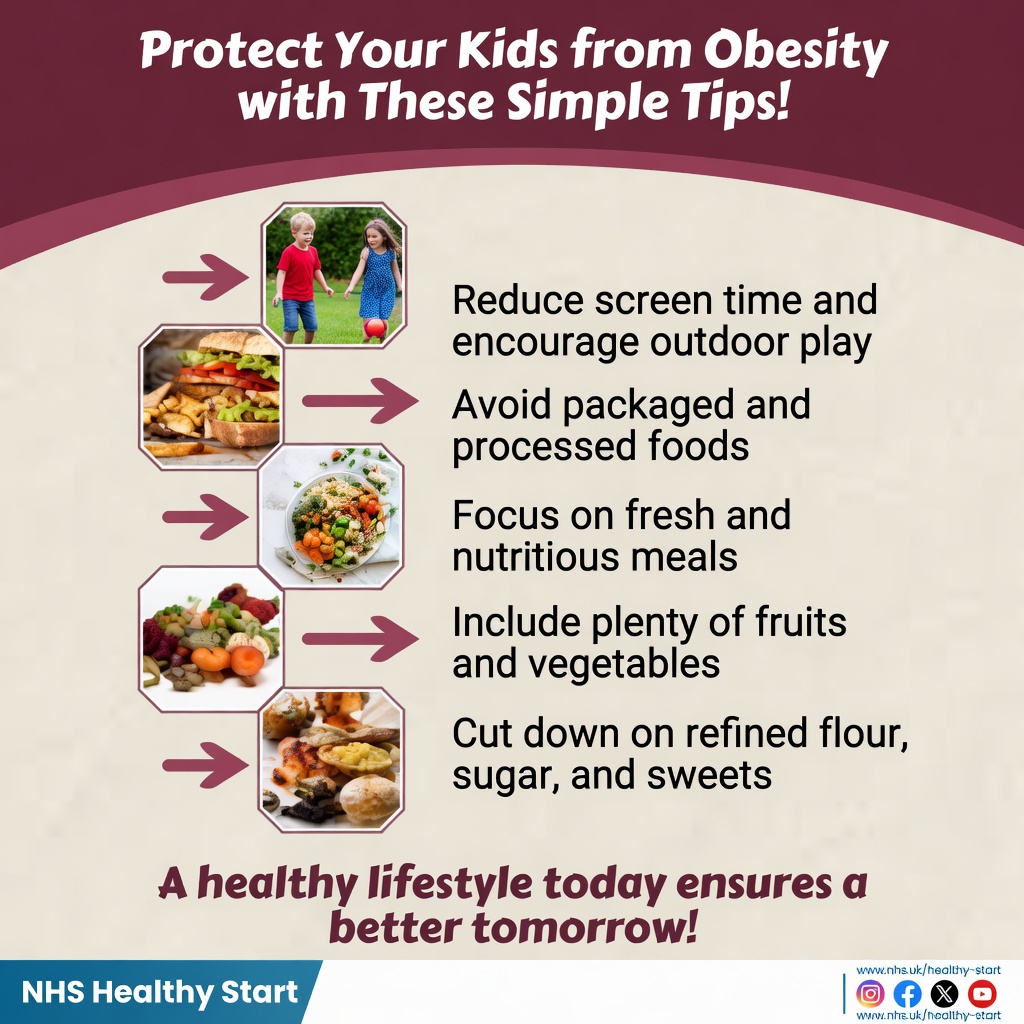
Healthier Food Swaps at a Glance
Making small changes is often more realistic than trying to overhaul everything at once. Here are some practical swaps:
- Processed deli meat → fresh-roasted turkey or mashed avocado
- Sugary soda → sparkling water with fresh fruit
- Packaged chips → homemade kale chips or a handful of nuts
- Frequent red meat burgers → veggie burgers or grilled fish
- Frozen pizza → whole-grain pita with tomato sauce and vegetables
These simple adjustments can make a big difference over time without making meals feel restrictive.
Practical Ways Parents Can Start Today
You do not need to change everything overnight. Begin with one or two realistic steps this week.
-
Check pantry staples
- Read labels on snacks, cereals, and drinks for added sugar and sodium.
-
Prepare ahead
- Set up easy grab-and-go foods like fruit, cheese sticks, boiled eggs, or vegetable sticks.
-
Get kids involved
- Let them choose colorful produce at the store or help assemble meals at home.
-
Model healthy eating
- Children are more likely to accept balanced foods when adults eat them too.
-
Make water the default
- Keep water available at home, in lunchboxes, and while out of the house.
Studies suggest that repeated exposure to nutrient-dense foods helps children become more familiar with and accepting of them over time.
Building Healthy Eating Habits for Life
Reducing ultra-processed foods and limiting certain higher-risk items does not mean children can never enjoy treats. The goal is to create a pattern built mostly around whole, minimally processed foods while keeping less healthy options occasional. Thoughtful choices made early can support a child’s growth, energy, and future health in meaningful ways.
The biggest benefit comes from consistency. Simple routines at home—balanced meals, better snacks, and healthier drinks—can create a strong foundation for lifelong wellness.
FAQ
At what age should parents begin limiting these foods?
Experts recommend avoiding added sugar before age 2 and reducing it afterward. As for processed and ultra-processed foods, it is best to start limiting them early so healthy preferences can develop from toddlerhood onward.
Can treats still be part of a healthy diet?
Yes. Moderation matters most. Occasional treats can fit into a balanced eating pattern as long as most meals and snacks are built around nourishing foods.
What if my child is a picky eater?
Introduce new foods slowly and serve them alongside familiar favorites. Involving children in shopping or cooking can help, and avoiding pressure is important. With time and repeated exposure, many kids become more open to healthier options.