
Why Intimate Odor Can Change With Age
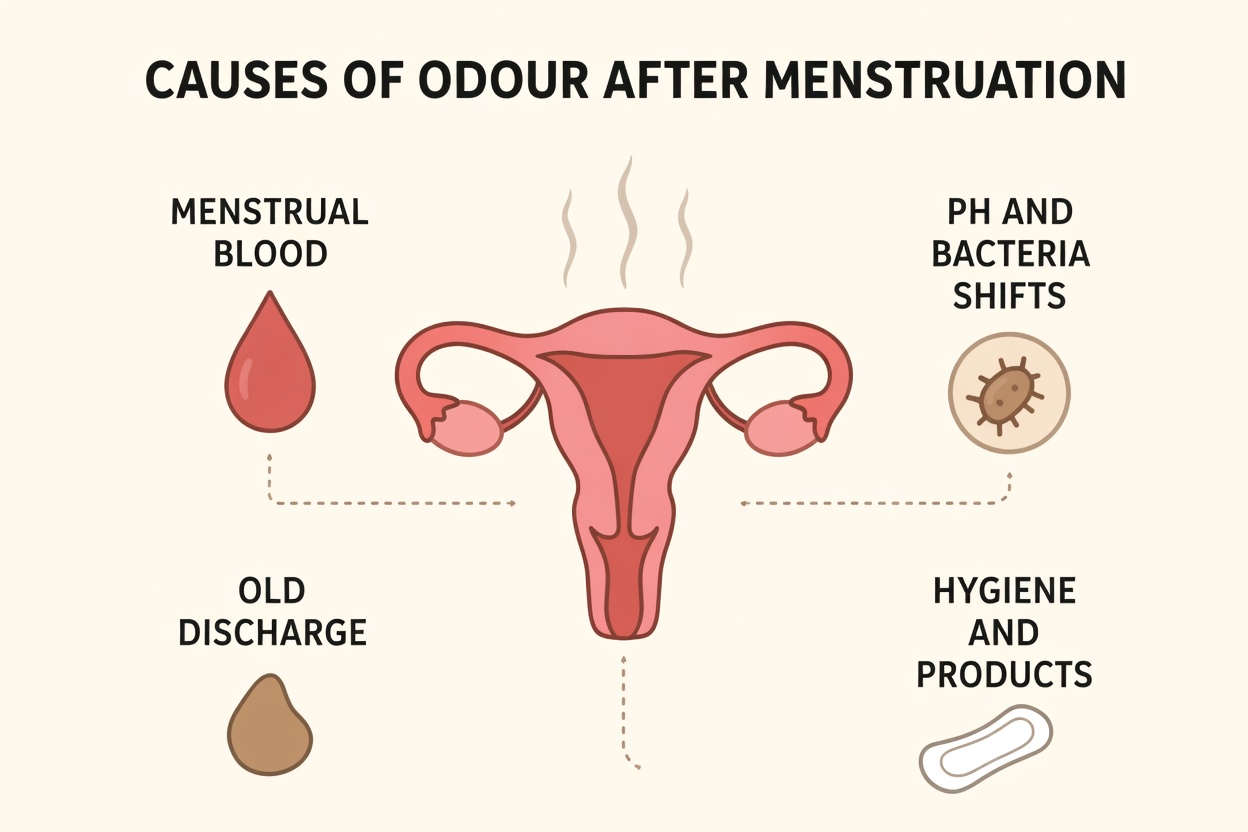
As estrogen naturally decreases over time, the vaginal area goes through normal changes. The tissue may become thinner, less lubricated, and slightly less acidic as pH levels rise. Research suggests these shifts can make it easier for the natural balance of protective bacteria to become disrupted.
Sources such as WebMD and Cleveland Clinic note that this is a common part of aging for many women. Daily influences like perspiration, small amounts of urine, and even food choices may also affect odor. Still, many people focus first on cleansing habits that seem beneficial but may actually do the opposite.
Gynecologists often emphasize one important point: excessive cleaning, especially inside the vagina, can remove the healthy bacteria that help maintain balance. When that protective barrier is disturbed, odor may become more noticeable rather than less.
The Common Hygiene Mistake That Can Backfire
One habit that many older women still practice is douching, or washing inside the vagina with water, commercial products, or homemade solutions. For years, it was marketed as a way to feel cleaner and fresher. Today, experts widely explain that it can be harmful, especially after age 50.
Douching does not only remove unwanted bacteria. It also washes away beneficial bacteria that support the vaginal microbiome. This disruption can increase pH and create conditions where other organisms grow more easily, leading to stronger or unusual odors. Many women’s health organizations also connect douching with greater irritation and imbalance rather than relief.
The reality is that many women continue this practice because of old advice or long-standing routines. What often gets overlooked is that the vagina is largely self-cleaning. Simply stopping internal rinsing can be one of the easiest ways to improve comfort and support natural balance.
Better Habits That Actually Help
Rather than cleaning internally, it is better to protect the outer area and support the body’s normal functions. Common gynecologist recommendations include:
- Wash only the external vulva with warm water or a very mild, fragrance-free cleanser.
- Gently pat the area dry instead of rubbing.
- Wear breathable cotton underwear and looser clothing when possible.
- Drink enough water throughout the day, since dehydration can make urine odor stronger.
- Change out of sweaty or damp clothing as soon as possible after exercise or activity.
These simple habits work with the body instead of interfering with it.
Helpful vs. Harmful Everyday Habits
| Habit | Why It Helps or Hurts | Recommendation |
|---|---|---|
| Washing the external area with mild soap | Cleans the outer skin without disrupting the natural internal balance | Recommended regularly |
| Wearing breathable underwear | Helps reduce trapped moisture and sweat | Choose cotton whenever possible |
| Douching or internal rinsing | Removes healthy bacteria and alters pH | Avoid completely |
| Using scented wipes or perfumed products | May irritate delicate skin | Best skipped |
| Staying hydrated and physically active | Supports freshness and general wellness | Make it a daily habit |
This quick comparison makes it easier to identify which routines support intimate health and which ones may cause more problems.
Practical Steps You Can Start Today
If you want to feel fresher and more confident, begin with these easy changes:
- Adjust your washing routine: Clean only the outside area during bathing. On most days, warm water is enough. If needed, choose a gentle, unscented cleanser.
- Update your underwear choices: Replace synthetic materials with 100% cotton styles and change them whenever they become damp.
- Drink more fluids: Aim for about 8 glasses of water per day. Herbal teas can help if plain water feels repetitive.
- Track patterns: Notice whether odor seems stronger after certain meals, workouts, or daily habits. This can help you identify personal triggers.
- Speak with a professional: If odor continues or seems unusual, check in with your healthcare provider for reassurance and guidance.
Supporting Natural Vaginal Balance
Good hygiene is only one part of the picture. A few lifestyle habits can also make a real difference. Foods rich in probiotics, such as yogurt, may help support gut health, which can indirectly benefit vaginal health as well. Light, regular movement also improves circulation and supports overall body function.
Research often points to the value of gentle, consistent care over harsh cleansing. Avoid tight clothing that traps heat and moisture. If light bladder leakage is part of daily life, consider breathable pads designed for comfort and airflow.
Smarter Choices for Better Comfort
Getting older brings physical changes, but that does not mean discomfort is unavoidable. Many women feel better when they stop outdated practices like douching and switch to gentle, external care only. The body is designed to manage itself, and often it simply needs supportive habits rather than aggressive cleaning.
Choose breathable fabrics, stay hydrated, and keep your routine mild and simple. Above all, pay attention to changes in your body and seek medical advice if something does not feel right.
Frequently Asked Questions
What causes intimate odor changes after menopause?
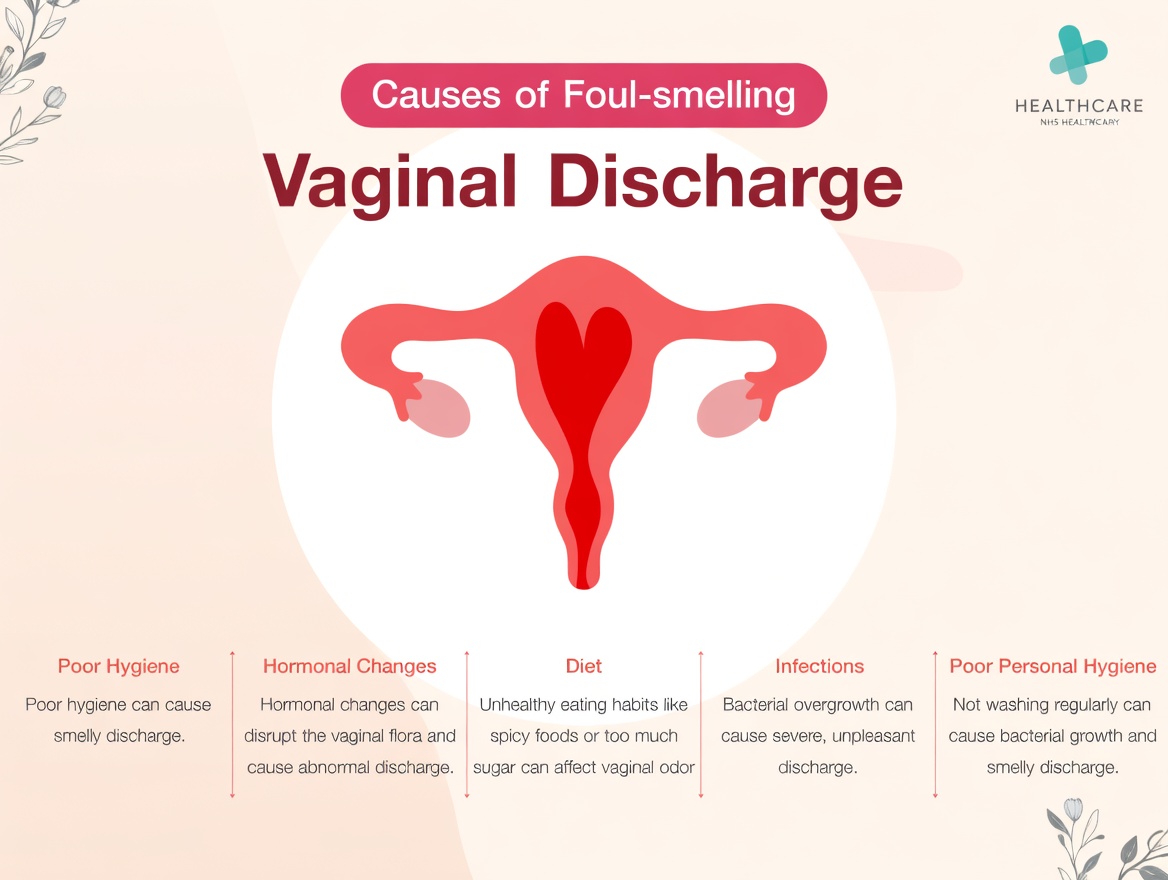
Lower hormone levels can change vaginal moisture and pH, which may affect odor. Sweat, urine, diet, and other daily factors can contribute as well.
Is douching ever a good idea?
Most health experts do not recommend it because it can disrupt the vagina’s natural environment instead of improving it.
When should I talk to a doctor about odor?
If the odor is persistent, unusually strong, or accompanied by itching, discomfort, or changes in discharge, it is best to speak with a healthcare provider.