Why Hard-Boiled Eggs Get a Green Ring Around the Yolk
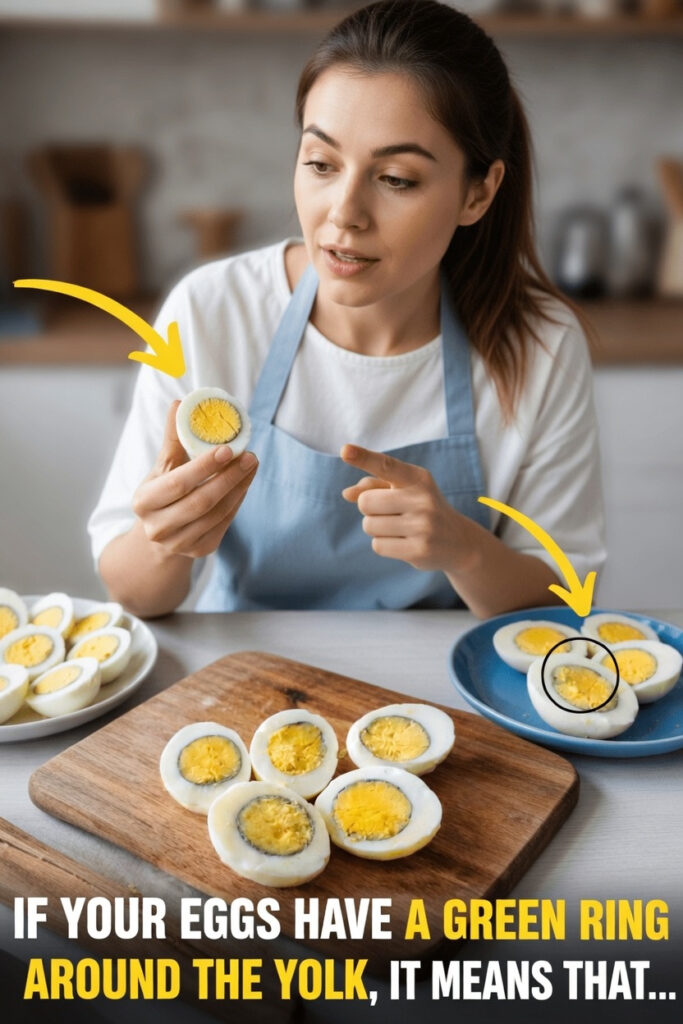
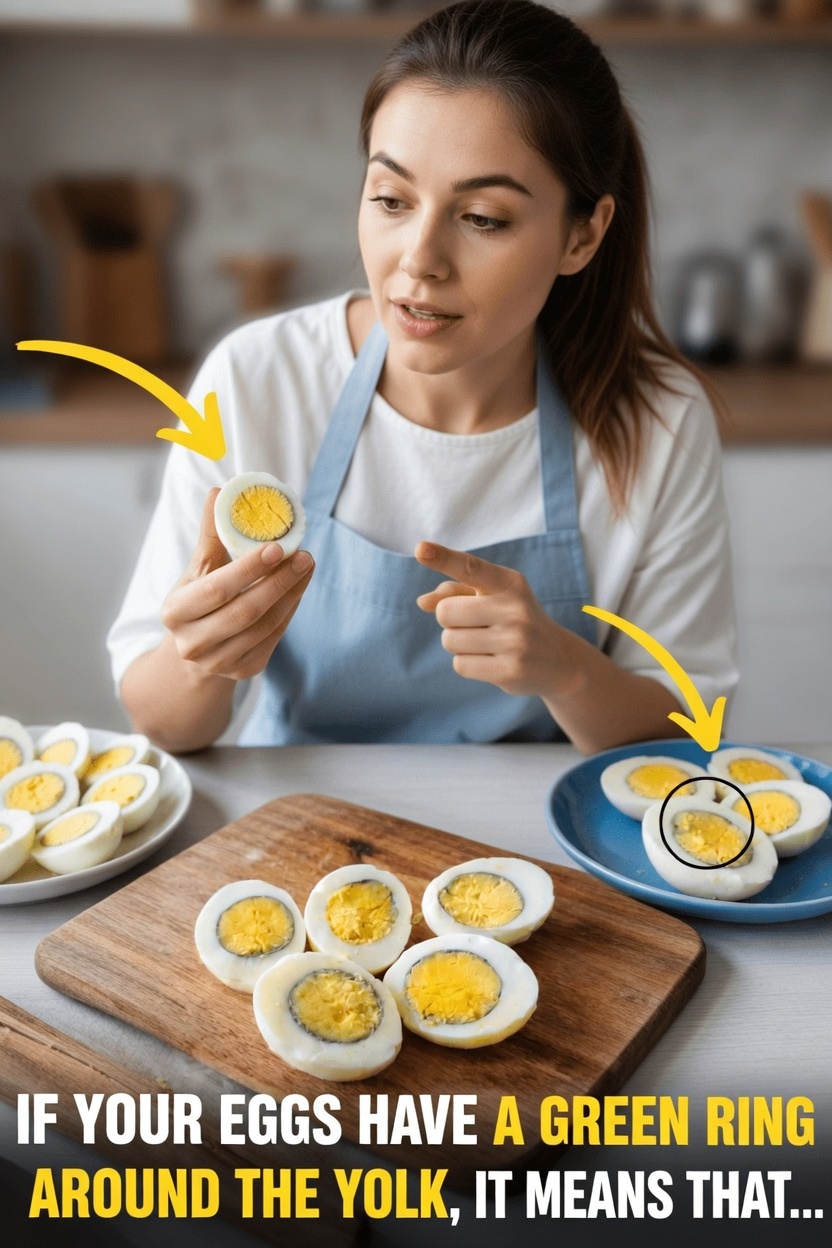
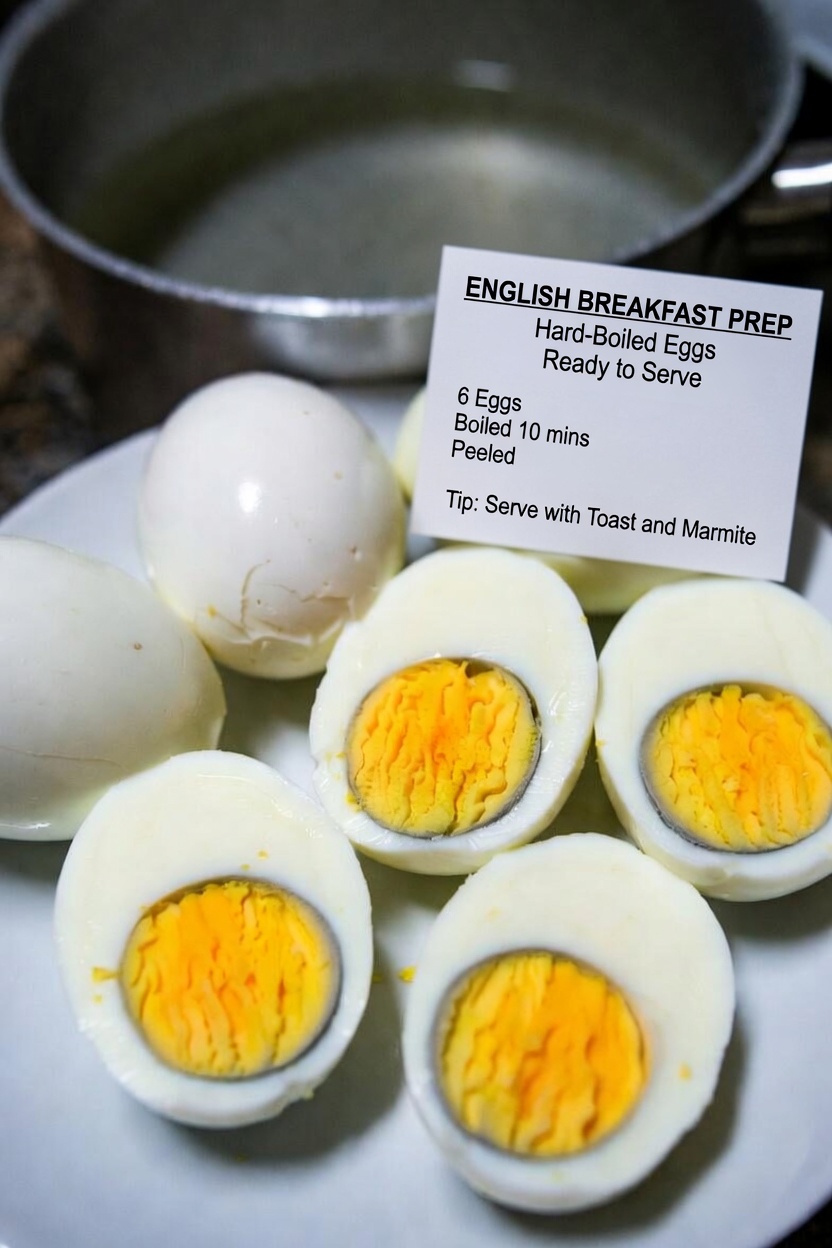
You may have cracked open a hard-boiled egg and found a greenish-gray ring wrapped around the yellow yolk. It does not look very appetizing, especially if you were hoping for a smooth, bright center for a salad, sandwich, or quick snack. Naturally, many people assume the egg is bad or that something went wrong during cooking.
The good news is that this discoloration is very common and completely harmless. It is caused by a simple chemical reaction that happens during cooking, not by spoilage.
If you have ever wondered why this ring appears and how to keep your boiled eggs looking perfect, the answer comes down to heat, timing, and cooling.
What Causes the Green Ring on Hard-Boiled Egg Yolks?
The green or gray ring forms when compounds in the egg white react with minerals in the yolk. According to food science guidance from sources such as the USDA and the University of Illinois, sulfur in the egg white combines with iron in the yolk during cooking.
When an egg is heated too long or exposed to temperatures that are too high, the proteins in the white break down and release hydrogen sulfide gas. That gas then reacts with iron near the surface of the yolk, creating ferrous sulfide. This compound is what gives the yolk its greenish tint.
This effect usually appears where the yolk meets the white. While it changes the appearance of the egg, it does not reduce safety or significantly affect nutrition.
Are Hard-Boiled Eggs With a Green Ring Safe to Eat?
Yes, they are safe to eat. A green ring around the yolk is only a visual issue. Food safety experts agree that it does not mean the egg has spoiled or contains harmful bacteria.
You may also notice a mild sulfur smell in overcooked eggs. That smell can seem unpleasant, but it is also just part of the same cooking reaction. It is not a sign that the egg is unsafe.
The egg still provides the same important nutrients, including:
- High-quality protein
- Healthy fats
- Vitamin B12
- Vitamin D
- Other essential nutrients
So if your hard-boiled eggs develop a green ring, there is no need to throw them away.
Why Overcooking Is the Main Reason
Cooking the eggs too long is the most common cause, but a few other factors can influence how quickly the ring develops.
Common reasons the green ring appears
- Too much time in hot water: Even after boiling starts, prolonged heat continues cooking the egg and increases the sulfur-iron reaction.
- Very high heat: A strong rolling boil speeds up the process more than gentle heating.
- Egg freshness: Slightly older eggs may show the reaction sooner, although overcooking matters most.
- Water quality: In rare cases, tap water with high iron content may contribute a little.
Food scientists also point out that quick cooling is essential. Once the eggs are done, dropping the temperature fast helps stop carryover cooking and limits the chemical reaction.
How to Prevent the Green Ring on Boiled Eggs
If you want hard-boiled eggs with smooth whites and rich yellow yolks, use a gentler method. The best approach is to avoid overcooking and cool the eggs immediately after they finish.
Step-by-step method for perfect hard-boiled eggs
- If possible, let the eggs sit at room temperature for a short time before cooking so they heat more evenly.
- Arrange the eggs in a single layer in a pot.
- Add cold water until the eggs are covered by about 1 inch.
- Bring the water to a boil over medium-high heat.
- As soon as the water reaches a full boil, remove the pot from the heat.
- Cover the pot and let the eggs sit in the hot water:
- 9 minutes for medium eggs
- 10 to 11 minutes for large eggs
- 12 minutes for extra-large eggs
- While the eggs are resting, prepare an ice bath using a bowl of ice and cold water.
- Transfer the eggs to the ice bath immediately after the resting time ends.
- Leave them there for at least 5 minutes.
- Peel under cool running water if needed.
This method works well because it prevents excessive heat exposure and quickly stops the cooking process.
Boiling Methods Compared
Not all egg-cooking methods give the same result. Some make green-ringed yolks much more likely.
Quick comparison
-
Constant rolling boil
- Time: 12 to 15 minutes
- Ice bath: No
- Green ring risk: High
- Result: Dry, chalky yolks
-
Boil then simmer
- Time: 10 to 12 minutes
- Ice bath: No
- Green ring risk: Medium
- Result: Can become slightly rubbery
-
Boil, remove from heat, cover, then ice bath
- Time: 9 to 12 minutes
- Ice bath: Yes
- Green ring risk: Low to none
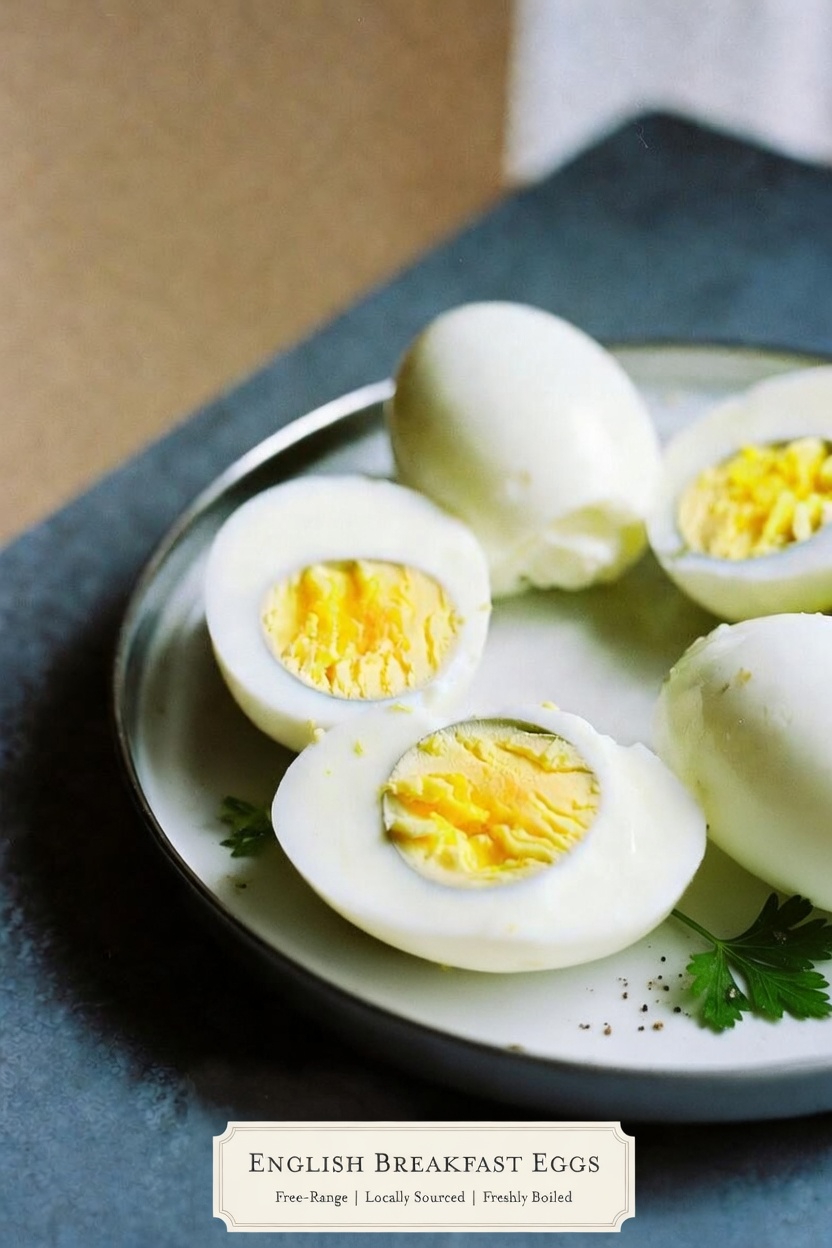
- Result: Bright, creamy yolks
Among these options, the off-heat method followed by rapid cooling gives the best appearance and texture.
Extra Tips for Better Hard-Boiled Eggs
To improve your results even more, keep these practical tips in mind:
- Use eggs that are about 1 to 2 weeks old if you want easier peeling.
- Add a little salt or vinegar to the water if you like. It may help with peeling, though it will not stop the green ring from forming.
- Store peeled eggs in an airtight container in the refrigerator for up to 1 week.
- Make a batch ahead of time for meal prep using the ice bath method.
The Bottom Line
A green ring around a hard-boiled egg yolk simply means the egg was overcooked or exposed to too much heat. It is harmless, safe to eat, and easy to prevent.
By using better timing, removing the pot from the heat at the right moment, and cooling the eggs quickly in ice water, you can get hard-boiled eggs with a bright yellow yolk every time.
This simple kitchen technique can make your deviled eggs, salads, and snacks look much more appealing while helping you cook with confidence.
FAQ
What does a green ring around an egg yolk mean?
It usually means the egg was cooked too long or at too high a temperature. The discoloration comes from a reaction between sulfur in the white and iron in the yolk.
Can I eat hard-boiled eggs with a green ring?
Yes. Eggs with a green ring are still perfectly safe to eat. The color change is cosmetic and does not make the egg unsafe.
How can I keep hard-boiled eggs from turning green?
Use the off-heat method: bring the water to a boil, remove the pot from the heat, cover it, let the eggs sit for 9 to 12 minutes, then transfer them immediately to an ice bath.