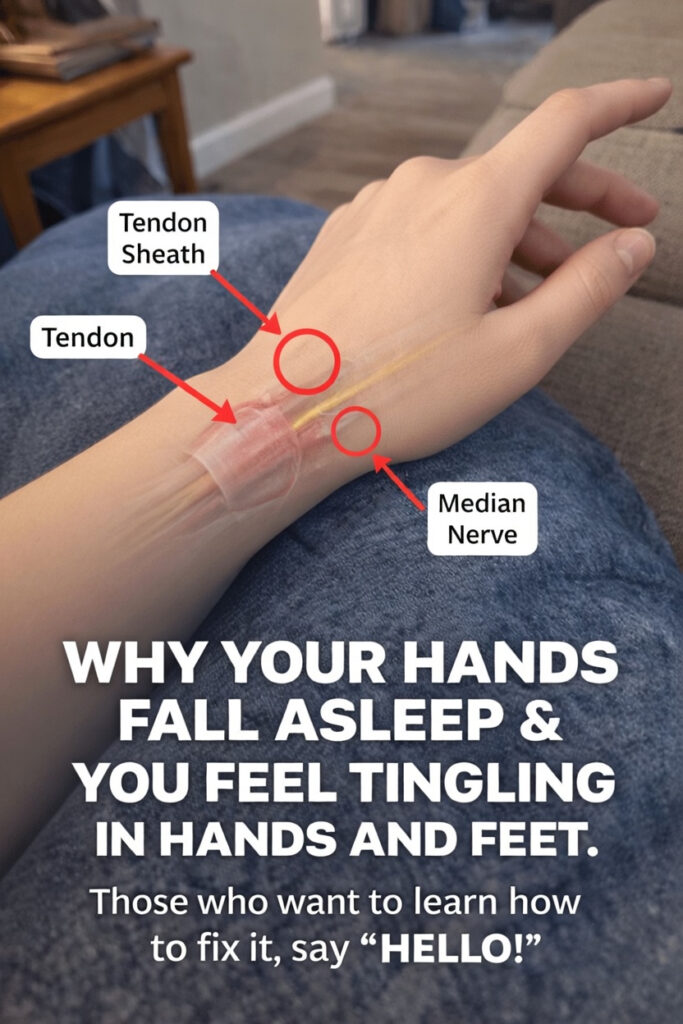
Why Your Hands Fall Asleep and Why Tingling May Spread to Your Feet
Have you ever jolted awake at night because your hands felt full of pins and needles? Or noticed your fingers go numb while typing, texting, or working at your desk? This “hand falling asleep” sensation is very common, and for some people, the tingling can also affect the feet, making simple activities like holding a phone, standing, or walking less comfortable.
These symptoms can interrupt sleep, reduce concentration during the day, and leave you constantly shaking out your hands or repositioning your body for relief. The encouraging part is that once you understand what may be causing it, you can start making helpful daily changes. And in many cases, the issue is not just about sleeping in an awkward position.
What Does It Mean When Your Hands “Fall Asleep”?
The numbness and tingling sensation is called paresthesia. It happens when a nerve becomes compressed, irritated, or temporarily unable to send signals normally between your brain and your limbs. Health sources such as the Mayo Clinic explain that pressure on certain nerves is one of the most frequent reasons this occurs.
In the hand, one important nerve is the median nerve, which passes through a tight space in the wrist known as the carpal tunnel. If that area becomes swollen or stressed by repeated movement, pressure can build on the nerve. This often causes tingling or numbness in the thumb, index finger, middle finger, and part of the ring finger.
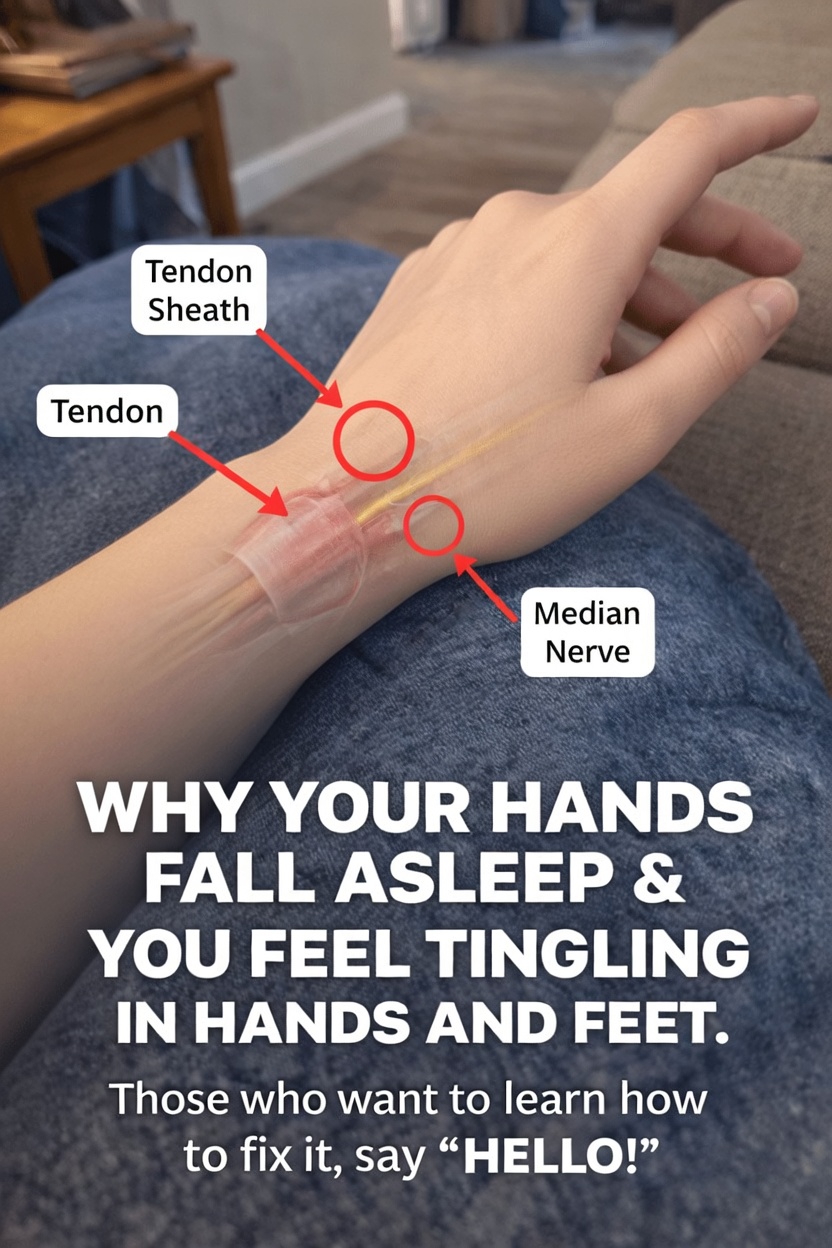
However, symptoms are not always limited to the hands. If both the hands and feet are affected, the cause may involve a wider nerve-related issue. Peripheral nerves, which connect the brain and spinal cord to the rest of the body, can gradually become irritated or damaged by several different factors.
Common Causes of Numbness and Tingling in the Hands
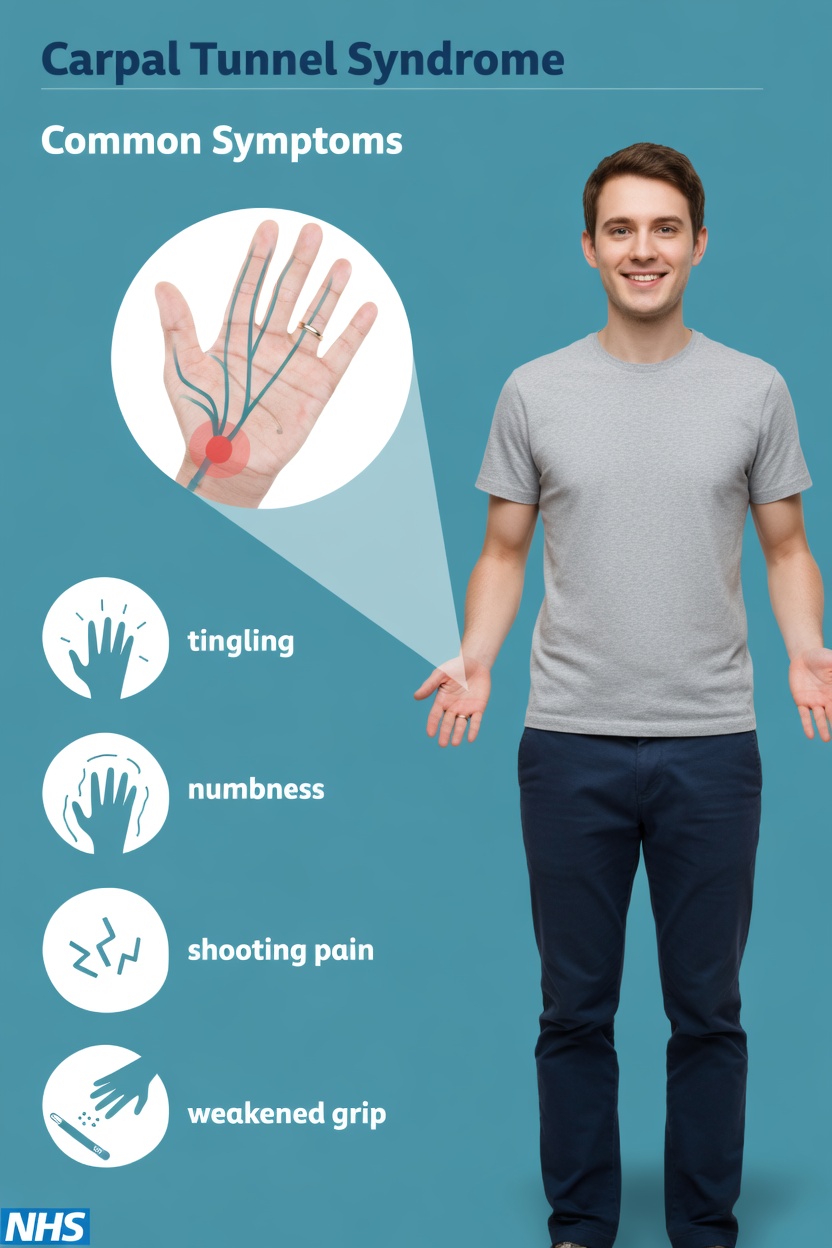
One of the most common explanations for hand numbness is carpal tunnel syndrome. This condition develops when the median nerve is compressed at the wrist. It is often linked to repetitive motions such as:
- Typing for long periods
- Using hand tools
- Scrolling on a phone repeatedly
- Gripping objects over and over
Symptoms often become more noticeable at night or during activities that keep the wrist bent for a long time.
Other everyday causes can also trigger temporary numbness:
- Sleeping with your wrist bent
- Resting your arm under your head
- Sitting with poor posture for hours at a computer
- Straining the nerves in the arm through awkward positioning
In short-term cases, the tingling usually fades once you move and relieve the pressure. But if the sensation continues or returns often, it should not be ignored.
Why Tingling Can Affect Both Hands and Feet
When numbness or tingling appears in both the hands and the feet, it is often associated with peripheral neuropathy, a general term for nerve damage affecting the outer parts of the body. Experts from Cleveland Clinic and Mayo Clinic note that one major cause is diabetes, because consistently high blood sugar can slowly damage nerves over time.
This pattern often begins in what is sometimes described as a “stocking-glove” distribution, meaning the symptoms start in the toes and fingers and gradually spread upward.
Other possible contributors include:
- Vitamin deficiencies, especially low levels of B vitamins that support nerve function
- Certain infections
- Exposure to substances that irritate or damage nerves
- Poor circulation from sitting or standing in the same position for too long

These symptoms are often your body’s signal that something needs attention, whether that means changing a habit, improving posture, or checking for an underlying health issue.
Daily Habits That May Be Making It Worse
Your routine can play a bigger role than you may think. Repetitive strain often builds gradually over months or even years, especially when nerves are under constant pressure.
Habits that may contribute include:
- Using vibrating or gripping tools frequently
- Spending long hours on a keyboard without breaks
- Repeating the same hand motions all day
- Crossing your legs often, which may affect nerves in the lower limbs
- Staying in one position for too long
Even small adjustments in these patterns can help reduce irritation and improve comfort over time.
Practical Ways to Relieve Tingling and Numbness
Although a healthcare provider is the best source for personal medical advice, many people benefit from simple home strategies that reduce nerve pressure and support circulation. The best approach is to make small changes consistently and see how your body responds.
Try These Simple Relief Strategies
-
Change your sleeping position
- Try sleeping on your back with your arms resting at your sides.
- Use a pillow to help keep your wrists in a neutral position.
- Avoid curling your wrists inward or placing your hands under your pillow.
-
Take breaks during repetitive tasks
- If you type, text, or use tools for long periods, pause regularly.
- A helpful method is the 20-20-20 rule: every 20 minutes, stop for 20 seconds and gently move or stretch your hands.
-
Do gentle wrist stretches
- Extend one arm straight out.
- Use your other hand to lightly pull the fingers back toward the forearm.
- Hold for 15 to 30 seconds.
- Repeat a few times each day.
-
Improve blood flow
- Shake out your hands.
- Run warm, not hot, water over them.
- Slowly open and close your fists to encourage circulation.
-
Use supportive tools if needed
- A wrist splint worn at night may help if symptoms wake you up often.
- These supports keep the wrist in a straighter, more neutral position.
-
Stay physically active
- Gentle walking, light stretching, and hand exercises can support nerve health and reduce stiffness.
Nerve-Friendly Daily Habits
To reduce discomfort and help protect your nerves, try to build these habits into your daily routine:
- Maintain good posture while working, driving, or using devices
- Drink enough water throughout the day
- Eat nutrient-rich foods, especially those that support nerve health
- Avoid extreme cold if it tends to worsen your symptoms
- Take short walks regularly to improve circulation
- Limit long periods of sitting or standing in one position
These small actions can help reduce irritation and support the body’s normal nerve function.
When You Should Pay More Attention
Occasional tingling from temporary pressure is common. But if the numbness does not improve, begins happening more often, spreads, or comes with other symptoms, it is a good idea to speak with a doctor.
Watch for signs such as:
- Persistent numbness
- Increasing frequency of symptoms
- Weakness in the hands or feet
- Pain along with tingling
- Trouble gripping, walking, or using your limbs normally
Addressing the cause early may help prevent symptoms from getting worse.
Conclusion
Tingling and numbness in the hands and feet are common complaints, and they are often related to nerve pressure caused by daily habits, repetitive movement, poor posture, or conditions such as carpal tunnel syndrome and peripheral nerve irritation. The good news is that simple adjustments to sleep position, work setup, movement, and stretching can make a real difference for many people.
Pay attention to what your body is telling you. Those uncomfortable signals can be a useful prompt to improve your habits and protect your long-term comfort.
FAQ
What usually makes hands fall asleep at night?
A very common cause is temporary nerve compression from sleeping in an awkward position, especially if the wrist is bent or the arm is trapped under the body. Repeated wrist strain can also make nighttime symptoms happen more often.
Is tingling in the hands and feet always serious?
Not necessarily. In many cases, it comes from posture, pressure, or temporary circulation changes. However, if it keeps happening or lasts a long time, it may be linked to nerve or circulation issues and should be checked.
Can stretching help reduce hand tingling?
Yes. Gentle stretches for the wrists and fingers may improve flexibility, reduce pressure on nerves, and ease discomfort when done regularly.