Why You Keep Waking Up at 3 or 4 AM
Have you ever opened your eyes in the middle of the night at exactly 3 or 4 AM and wondered why you are suddenly fully awake? While everything around you is quiet, you may be lying there unable to fall back asleep, already stressing about how tired you will feel the next day. It can be discouraging, especially when it happens again and again.
The reassuring news is that this kind of early morning waking is very common. In many cases, it is connected to normal sleep biology rather than a serious problem. At the same time, beyond modern scientific explanations such as hormone shifts and changing sleep stages, traditional wellness systems also offer interesting ways to understand what your body may be communicating during these hours. By the end, you will also find practical strategies that can help support deeper, more restorative sleep.
What Your Body Is Doing Between 3 and 4 AM
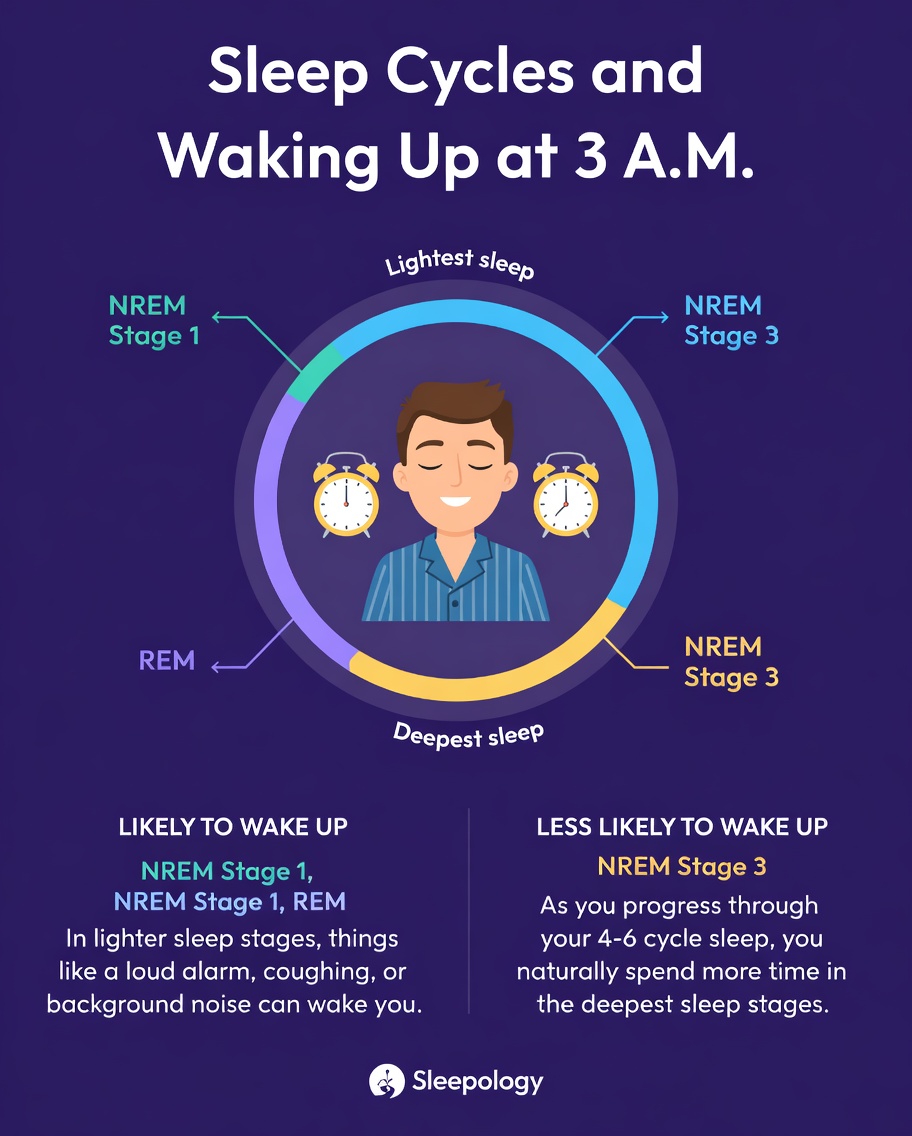
Sleep is not a single, steady state. Throughout the night, your body moves through repeating sleep cycles that usually last about 90 minutes. Earlier in the night, these cycles contain more deep sleep, which is the most physically restorative stage. As morning gets closer, lighter sleep becomes more common.
During the later part of the night, you spend more time in REM sleep, the stage most closely associated with vivid dreaming. In REM, the brain is active, but the body remains deeply relaxed. Because this phase is lighter than deep sleep, even small disruptions can wake you more easily. If you usually go to bed around 10 or 11 PM, one of these lighter stages often happens around 3 or 4 AM.
Your internal clock is also preparing you for the day ahead. Between about 2 and 4 AM, cortisol levels begin to rise naturally. Cortisol is often called a stress hormone, but it also plays an important role in helping you wake up and feel alert in the morning. This early increase is a normal part of the body’s rhythm. However, if you are already under stress and your cortisol is elevated, that natural rise may wake you earlier than you want.
At the same time, melatonin, the hormone that supports sleep, starts to taper off as your body slowly transitions toward wakefulness. Sleep researchers often point to this interaction between melatonin, cortisol, and lighter sleep stages as a key reason why so many people wake during these early morning hours.
Everyday Reasons You May Be Waking Up
A number of common lifestyle and environmental factors can make waking at 3 or 4 AM more likely.
Stress is one of the biggest triggers. When the world goes quiet, anxious thoughts can feel louder. Concerns that seemed manageable during the day may suddenly feel urgent at night. This mental alertness can combine with the body’s natural cortisol increase, making it harder to stay asleep.
Your sleeping environment matters too. A bedroom that becomes too warm or too cold, outside noise, traffic sounds, or even a partner shifting in bed can be enough to disturb sleep during lighter stages.
What you eat and drink can also affect your sleep quality:
- Caffeine consumed late in the day may still be active in your system at night.
- Heavy meals close to bedtime can create discomfort or digestion-related sleep disruption.
- Alcohol may help you fall asleep faster at first, but it often leads to fragmented sleep later in the night and can trigger wakefulness in the early morning hours.
Aging can contribute as well. As people get older, sleep often becomes lighter and more interrupted. Many older adults also notice that they feel sleepy earlier in the evening and wake earlier in the morning because of shifts in circadian rhythm.
Traditional Views on Waking Up in the Early Morning
Some traditional systems interpret these wake-ups through a broader mind-body lens. In Traditional Chinese Medicine, for example, the body is understood to follow a 24-hour organ clock, with different systems believed to be more active at specific times.
According to this view:
- 1 to 3 AM is linked to the liver, which is associated with emotional states such as frustration or anger.
- 3 to 5 AM is linked to the lungs, which are often connected with sadness or grief.
If you regularly wake during this window, some practitioners may see it as a sign that these systems need support through healthier daily habits, emotional balance, and better overall routine. This is not meant to serve as a medical diagnosis. Instead, it offers a holistic framework that some people find useful when reflecting on how emotional stress may influence their sleep.
For many, this perspective complements scientific explanations rather than replacing them. It encourages greater awareness of how physical, mental, and emotional factors work together.
How to Reduce 3 or 4 AM Wake-Ups
If this pattern keeps happening, small changes can make a meaningful difference. These habits may help you sleep more soundly and stay asleep longer.
1. Keep a Regular Sleep Schedule
Go to bed and wake up at roughly the same time every day, including weekends. A consistent schedule helps strengthen your circadian rhythm and can reduce random nighttime waking.
2. Build a Calming Night Routine
Create a wind-down period before bed so your body knows it is time to rest. Helpful habits include:
- Lowering the lights
- Avoiding screens for at least an hour before sleep
- Reading a book
- Doing light stretching
- Listening to calming music
3. Improve Your Bedroom Setup
Your room should support uninterrupted sleep as much as possible. Aim for a space that is:
- Cool, ideally around 60 to 67°F (15 to 19°C)
- Dark, using blackout curtains if necessary
- Quiet, with earplugs or white noise if outside sounds are a problem
4. Watch Food and Drinks in the Evening
Try to reduce things that may interfere with sleep later in the night:
- Avoid caffeine after midday
- Skip heavy or spicy meals close to bedtime
- Limit alcohol, especially late in the evening
5. Lower Stress During the Day
Nighttime sleep often reflects daytime stress levels. Support your nervous system before bedtime by using simple stress-management tools such as:
- Short walks
- Journaling
- Deep breathing
- Meditation
- Gentle movement
If this sleep pattern continues, keeping a sleep journal can be helpful. Write down when you go to bed, when you wake up, what you ate or drank, and how stressed you felt that day. Patterns may emerge that are worth discussing with a healthcare professional.
Modern Science vs. Traditional Perspectives
Below is a simple comparison of how these two approaches explain waking up at 3 or 4 AM.
| Aspect | Modern Scientific View | Traditional Chinese Medicine View |
|---|---|---|
| Time period | Lighter REM sleep and rising cortisol | Liver peak (1 to 3 AM) or lung peak (3 to 5 AM) |
| Common causes | Stress, environment, food, alcohol, aging | Emotional imbalance such as anger, frustration, sadness, or grief |
| Helpful support | Better sleep habits, relaxation, schedule consistency | Balanced lifestyle, emotional release, holistic self-care |
| Main focus | Hormones, circadian rhythm, sleep cycles | Energy flow, organ balance, mind-body connection |
This side-by-side view shows that both frameworks can offer valuable insight. One focuses on physiology, while the other looks at emotional and energetic patterns.
When You Should Pay More Attention
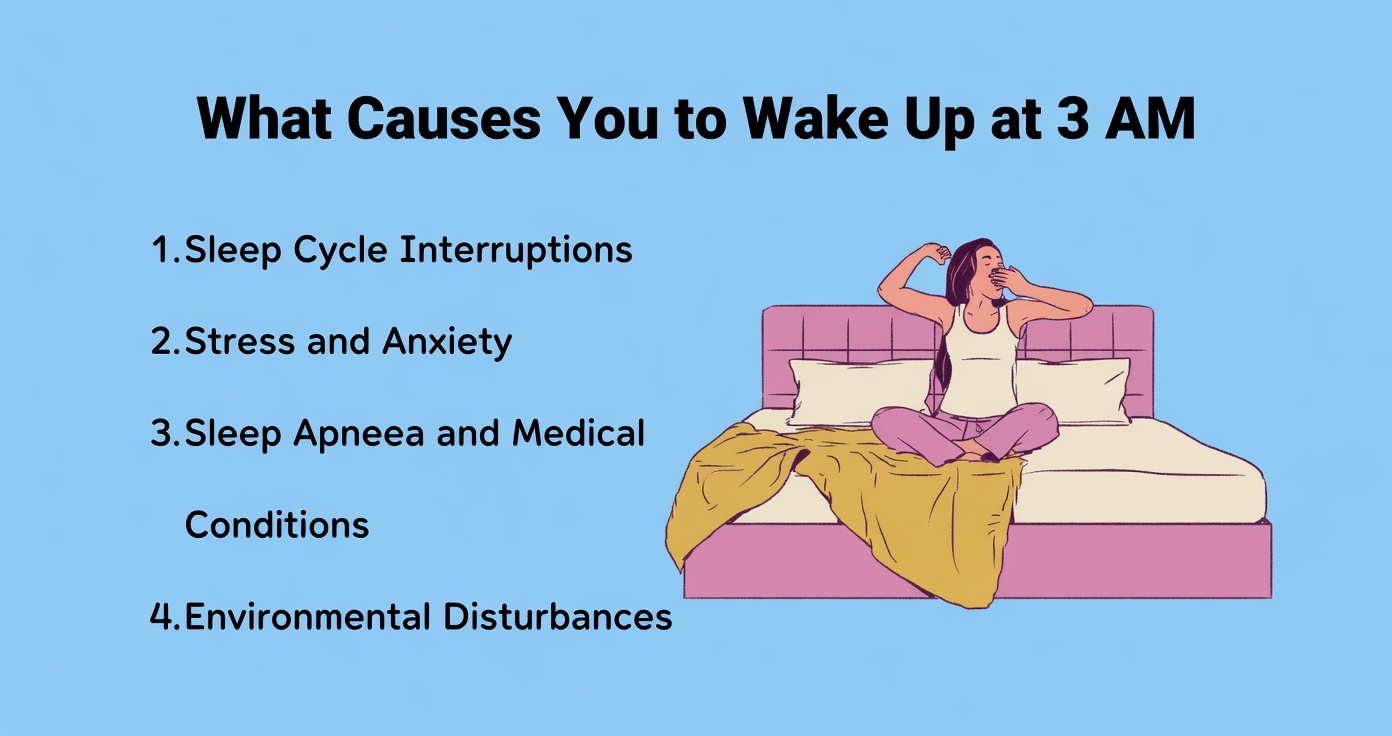
Waking during the night from time to time is normal. But if it happens on most nights and leaves you feeling drained, irritable, or unable to function well during the day, it may be worth looking deeper.
Persistent early morning waking can sometimes be related to:
- Ongoing stress or anxiety
- Sleep apnea
- Depression
- Hormonal changes
- Other sleep-related or medical conditions
In many cases, improving just one or two habits can quickly lead to better rest. But if the problem continues, speaking with your doctor is the best next step for personalized advice.
FAQ
Why do I wake up at exactly 3 or 4 AM every night?
This often happens because your sleep is shifting into lighter stages around that time, while your body is also beginning its natural hormonal transition toward morning. If you keep a very consistent bedtime, the wake-up pattern can also become more predictable.
Is waking up at 3 AM a sign of a serious health issue?
Usually, no. For most people, it is a common and normal experience linked to sleep cycles and hormone changes. However, if it happens frequently along with symptoms like extreme daytime fatigue, mood changes, loud snoring, or breathing issues, it deserves closer attention.
How can I fall back asleep after waking at 3 or 4 AM?
Try to stay calm and avoid checking your phone or watching the clock. Focus on slow breathing, progressive muscle relaxation, or another quiet calming technique. If you stay awake for too long, getting out of bed briefly to do something boring and low-light can help reset your mind before trying again.