White Spots on Skin Can Fade Naturally—Discover a Simple Habit That Helps Restore a Healthier Look
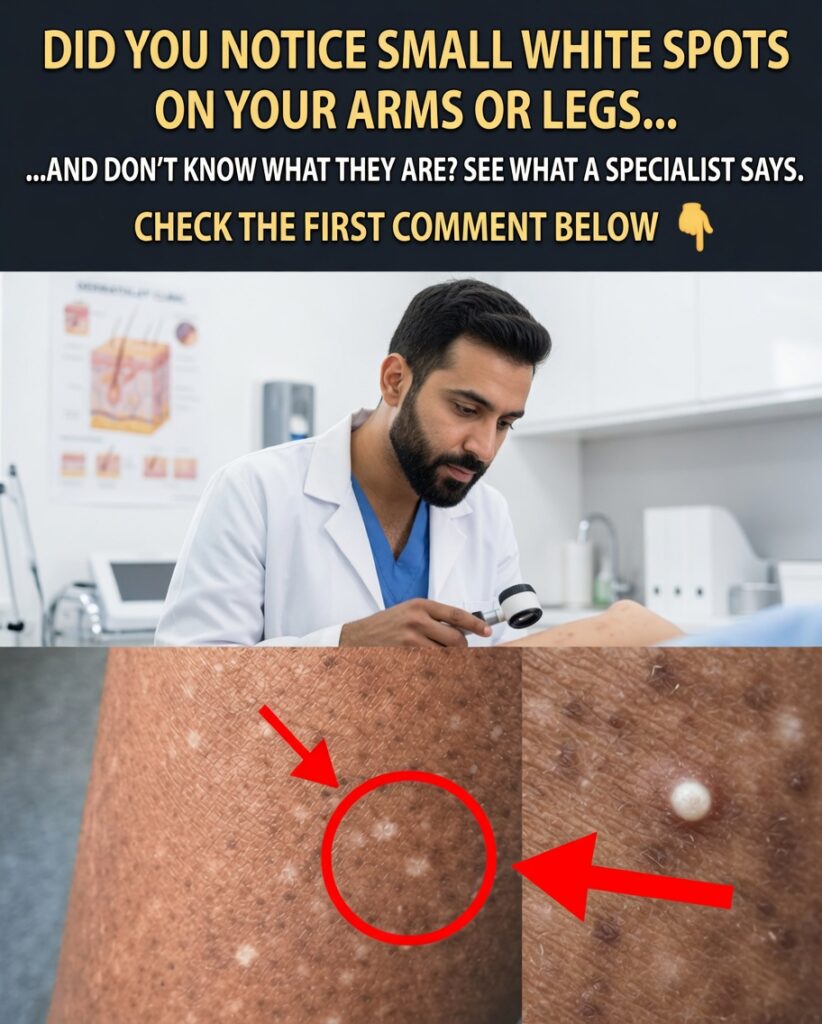
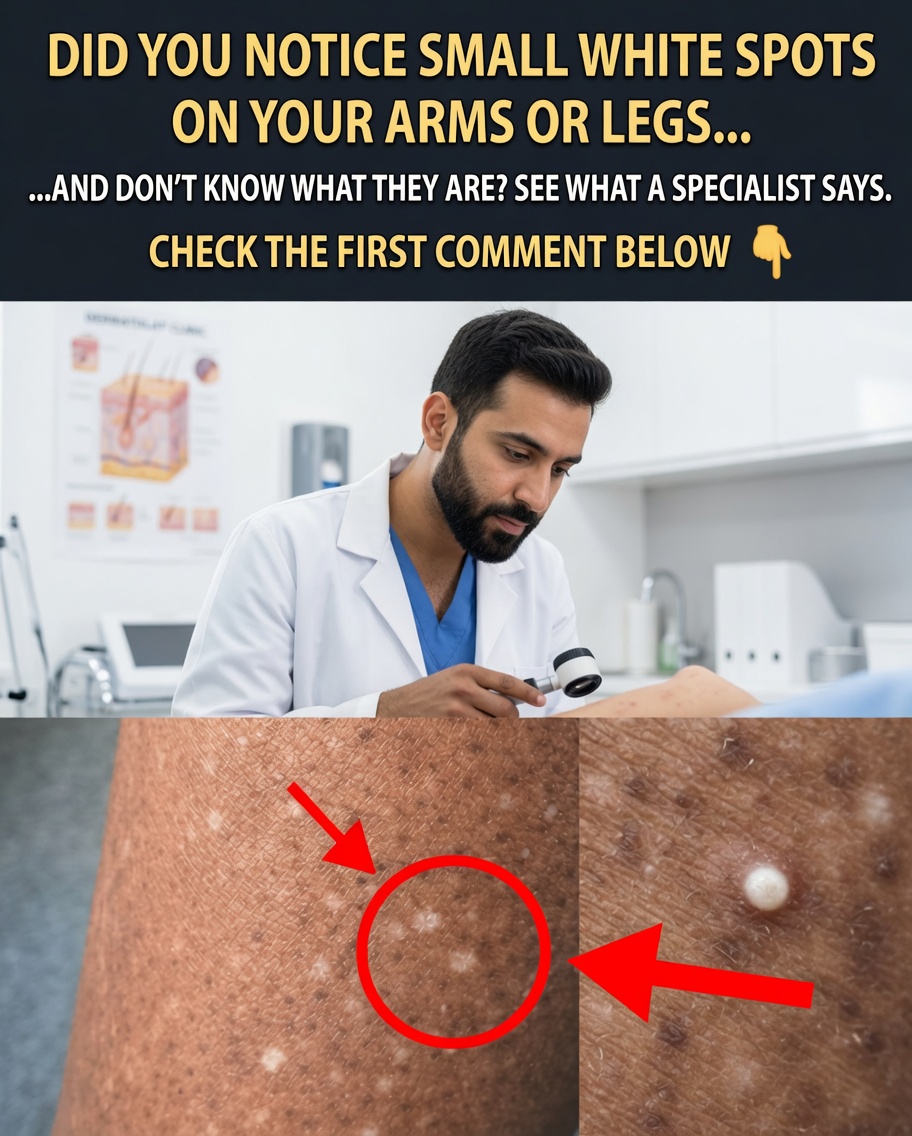
Have you noticed small white spots appearing on your skin and felt that instant discomfort when you catch your reflection? These lighter patches can show up on the arms, back, face, or chest—often after sun exposure or simply as the years go by. The big question is: are they a normal sign of aging, or something that deserves closer attention? Understanding what’s behind these spots can completely change the way you care for your skin.
Why White Spots Become More Noticeable After 40
As we age—especially after 40—the skin goes through gradual, quiet changes. You may start seeing tiny pale areas that stand out more once a tan fades. While this can feel alarming, the good news is that in many cases these spots have clear causes and can be managed with consistent, gentle care.
Common Causes of White Spots on the Skin
Several well-known conditions can lead to lighter patches. The most frequent include:
- Tinea versicolor (pityriasis versicolor): A common condition linked to an overgrowth of naturally occurring skin yeast. It often appears on the back and chest, especially in hot, humid climates.
- Sun-induced white spots: Sometimes called “white sun spots,” these can develop after years of unprotected sun exposure, which can disrupt melanin production over time.
- Pityriasis alba: Often connected to dry or sensitive skin, causing lighter, slightly flaky patches, commonly on the face.
- Vitiligo: A more widely known autoimmune condition in which the body targets pigment-producing cells, leading to more clearly defined depigmented areas.
Other Factors That May Contribute
White spots can also appear due to:
- Post-inflammatory changes after skin irritation (such as burns, rashes, or allergies)
- Nutrient deficiencies, especially vitamin B12 and vitamin D
- Harsh skincare products that weaken the skin barrier
- Small keratin cysts (milia) that can create tiny pale bumps or spots
What to Watch For: Key Clues on Your Skin
Pay attention to how the spots behave. Ask yourself:
- Are they growing or spreading?
- Do they itch?
- Are they changing shape or becoming more noticeable?
These details can help narrow down the cause. In many situations, simple daily habits can make a real difference.
What You Can Start Doing Today
Build a routine that supports your skin barrier and helps prevent worsening:
- Moisturize daily using gentle creams or natural oils
- Apply sunscreen every day, even when sunlight feels mild
- Avoid aggressive chemicals or overly stripping products
- Eat a nutrient-rich diet with essential vitamins
- Check your skin weekly to notice changes early
The Most Overlooked Habit That Can Change Everything: Daily Sunscreen
Many people skip this step, but daily sunscreen use is one of the most effective ways to help prevent new white spots and stop existing ones from getting more pronounced—especially when sun exposure is a major trigger.
A Better 30 Days Starts With Small Steps
Picture your skin in a month: a more even-looking tone, more confidence, and a stronger sense of control over your skin health. Start with small, consistent actions—your skin will respond over time.
When to Seek Professional Guidance
While many causes of white spots are harmless, it’s important to get medical advice if you’re unsure, or if the patches change quickly, spread, itch, or look unusual. A qualified professional can confirm the cause and guide the safest treatment plan.