Why Tonsil Stones Smell So Strong and What You Can Do About Them
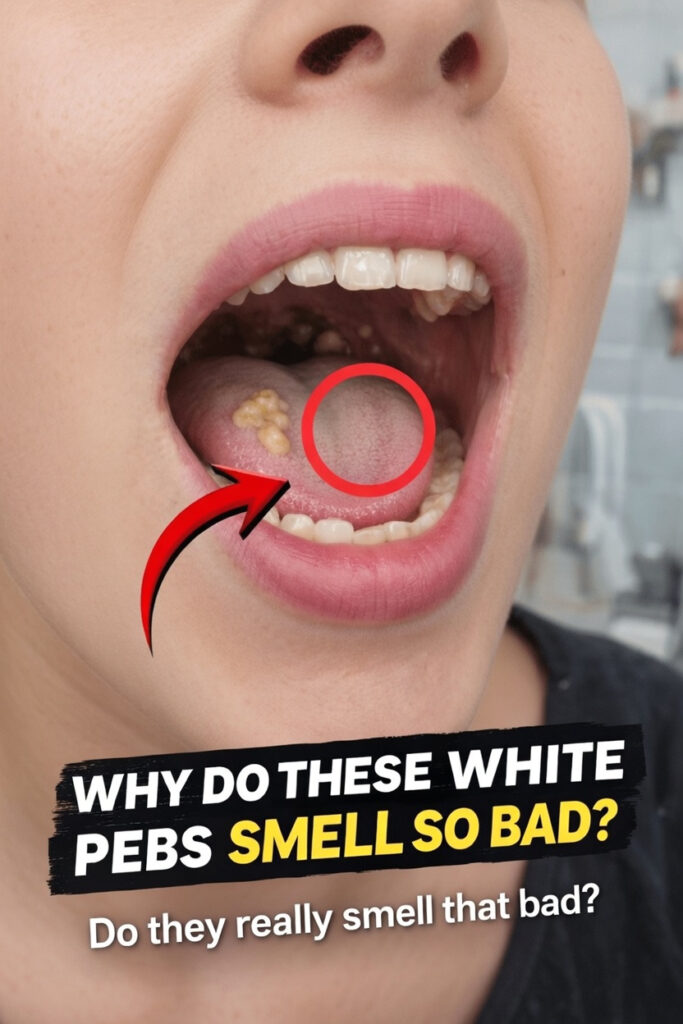
Those tiny white or yellow lumps you sometimes notice at the back of the throat are commonly known as tonsil stones, or tonsilloliths. Even though they are small, they can cause outsized frustration—especially when they create a powerful unpleasant odor that brushing alone does not seem to fix. Many people feel self-conscious about the bad breath and discomfort, wondering how something so minor can become such a persistent problem.
The reassuring part is that there is a clear reason behind it. Once you understand how tonsil stones develop and why they smell so bad, it becomes much easier to manage them. In many cases, simple daily habits can help reduce buildup and keep your breath fresher.
What Are Tonsil Stones?
Tonsil stones are small hardened deposits that collect inside the natural pockets of the tonsils, known as tonsil crypts. The tonsils sit at the back of the throat and play a role in helping the body defend against infection. When bits of food, mucus, dead cells, and bacteria become trapped in these crevices, they can slowly compact and harden over time. As minerals such as calcium build up, the material often turns white or yellowish.
Medical sources such as the Cleveland Clinic note that tonsil stones are common and generally harmless. They may be as small as a grain or grow larger in some cases. Unlike kidney stones or gallstones, they are not formed the same way. They are better described as compressed debris that gradually solidifies.
Interestingly, not everyone notices them. Some people have tonsil stones without any symptoms, while others discover them in the mirror or feel an irritating sensation in the throat.
Why Do Tonsil Stones Cause Bad Breath?
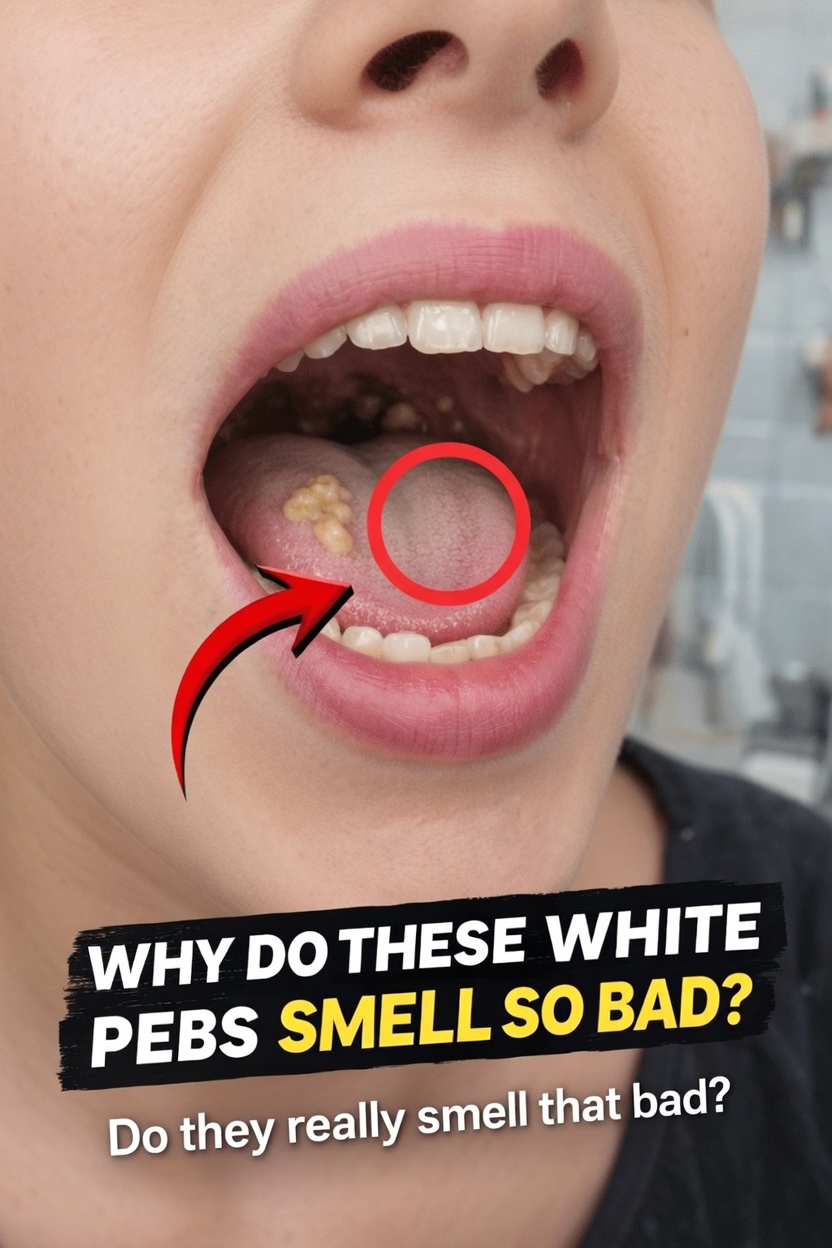
One of the main reasons people worry about tonsil stones is the strong smell they can produce. This odor comes from bacteria living inside the trapped material. As these bacteria break down proteins and organic matter, they release volatile sulfur compounds (VSCs). These are the same compounds often linked to the familiar rotten egg-like or cheesy smell associated with bad breath.
Even a very small tonsil stone can create noticeable halitosis because the tonsil crypts provide a low-oxygen environment where odor-producing bacteria can thrive. That is why the smell often seems to come from deep in the back of the mouth and may continue even when you brush regularly.
In other words, the odor is not random. The hardened debris becomes a sheltered space where bacteria continue to multiply and generate foul-smelling compounds.
Signs You May Have Tonsil Stones
Recognizing the symptoms early may help you deal with the issue before it becomes more annoying. Common signs include:
- Bad breath that does not improve much with brushing or mouthwash
- Small white or yellow spots visible on the tonsils
- A sensation that something is stuck in the throat
- Mild throat irritation, occasional coughing, or even ear discomfort
- An unpleasant or metallic taste in the mouth that comes and goes
Not everyone has all of these symptoms. In fact, smaller tonsil stones may go completely unnoticed.
How Tonsil Stones Form
Several factors can increase the chances of tonsil stones developing. The shape of your tonsils plays a role, especially if you have deeper crypts where debris can collect more easily. Some daily habits and health conditions can also make buildup more likely.
Common contributing factors include:
- Inadequate oral hygiene, which allows more bacteria and food particles to remain in the mouth
- Post-nasal drip related to allergies or sinus problems
- Dry mouth, which reduces saliva flow that would normally help wash debris away
- A diet high in dairy or sugary foods, which may encourage bacterial growth in some people
Staying hydrated and maintaining a good oral care routine can make a meaningful difference in prevention.
Simple Home Remedies for Tonsil Stones
Many people are able to manage tonsil stones with gentle at-home care. While these methods are not guaranteed cures, they may help loosen debris, reduce odor, and limit future buildup.
Here are some practical steps commonly recommended by health professionals:
-
Gargle with warm salt water daily
- Mix about 1/2 teaspoon of salt into a cup of warm water
- Gargle for around 30 seconds
- Repeat several times a day if needed to help loosen debris and calm irritation
-
Drink plenty of water
- Good hydration supports saliva production
- Saliva helps naturally rinse the mouth and reduce dry conditions that favor buildup
-
Use a gentle oral irrigator
- A low-pressure water flosser can help rinse the tonsil crypts
- Always start on the lowest setting and aim carefully to avoid discomfort
-
Brush and floss thoroughly
- Brush twice a day
- Clean the tongue, especially near the back, where bacteria often gather
- Floss daily to remove particles before they contribute to buildup
-
Try an alcohol-free mouthwash
- Using it after meals may help maintain fresher breath
- Alcohol-free formulas are often better because they are less likely to dry out the mouth
Consistency matters. Small steps done every day are often more effective than occasional aggressive cleaning.
Daily Habits That May Help Prevent Tonsil Stones
Prevention focuses on reducing the debris and bacteria that collect in the tonsils. These habits can support better oral health and lower the chances of stones returning.
-
Sip water regularly throughout the day
- Helps keep saliva flowing
- Supports the natural cleansing of the mouth
-
Gargle after meals
- Can help remove food particles before they settle in the tonsil crypts
-
Maintain strong oral hygiene
- Brush twice a day
- Floss once daily
- Clean the tongue to lower bacterial buildup
-
Limit excess dairy if it seems to worsen symptoms
- Some people notice more mucus production after high dairy intake
-
Address dry mouth or sinus issues
- Treating post-nasal drip or chronic mouth dryness may reduce recurring buildup
These small daily choices can lead to fresher breath and fewer noticeable tonsil stones over time.
When to Seek Professional Help
If tonsil stones keep coming back despite regular home care, or if they begin causing more significant discomfort, it may be time to speak with a healthcare professional. Medical guidance is also worth considering if you notice worsening throat pain, swelling, or ongoing irritation.
A qualified provider can assess your symptoms and recommend the best next steps based on your individual situation.
Conclusion
Tonsil stones are small deposits that form when debris, bacteria, mucus, and dead cells become trapped in the crevices of the tonsils. Their unpleasant smell mainly comes from sulfur-producing bacteria that break down this material. Although they can be annoying and embarrassing, they are usually harmless and often manageable with simple habits such as saltwater gargles, better hydration, and thorough oral hygiene.
Starting with just one or two daily changes may help reduce buildup and improve breath over time.
FAQ
What makes tonsil stones smell bad?
The odor is mainly caused by bacteria breaking down trapped debris and releasing volatile sulfur compounds, which produce a foul smell similar to rotten eggs.
Are tonsil stones harmful?
In most cases, no. Tonsil stones are usually not dangerous, though they can lead to discomfort, throat irritation, or persistent bad breath.
How can I lower the risk of getting tonsil stones?
Focus on good oral hygiene, regular hydration, frequent gargling, and managing issues like dry mouth or post-nasal drip.
Medical Disclaimer
This article is intended for informational purposes only and should not be considered a substitute for professional medical advice. If you have concerns about your symptoms or overall health, consult a qualified healthcare provider.