Why Small White Stones in the Throat Appear and Smell So Bad
Have you ever looked in your mouth and noticed tiny white bits sitting at the back of your throat? They may seem strange enough on their own, but what really gets your attention is the strong, unpleasant odor when one finally comes loose. For many people, that can be both embarrassing and confusing.
These little white stones can affect more than appearance. Their odor may leave you worried about bad breath and less confident during everyday conversations with friends, family, or coworkers. The good news is that they are usually easy to understand once you know what they are, why they form, and what causes the smell.
This guide breaks it all down in simple terms so you can better understand what is happening in your mouth and feel more at ease.
What Are the Small White Stones in the Mouth?
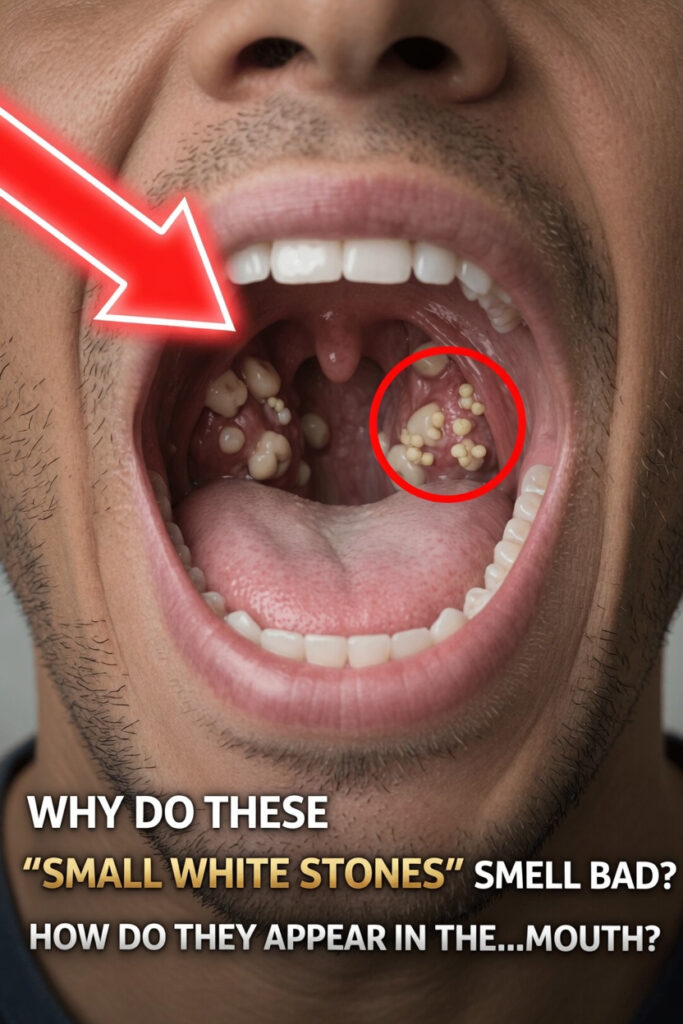
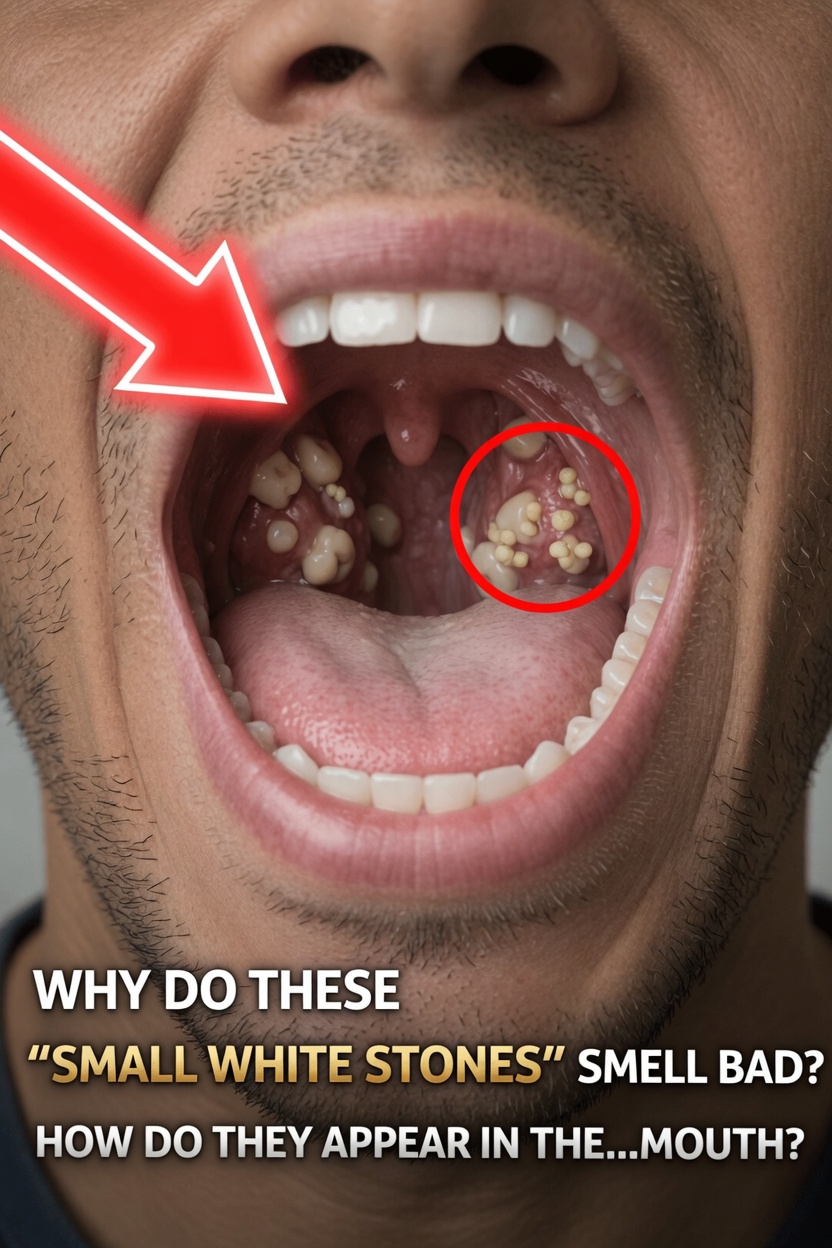
These white stones are small hardened lumps that develop in the natural creases of the tonsils. Professionals often call them tonsil stones or tonsilloliths, while most people simply think of them as white bits that sometimes come out after coughing or brushing the tongue.
They are not actual stones from outside the body. Instead, they slowly build up inside the tiny pockets found in the tonsils.
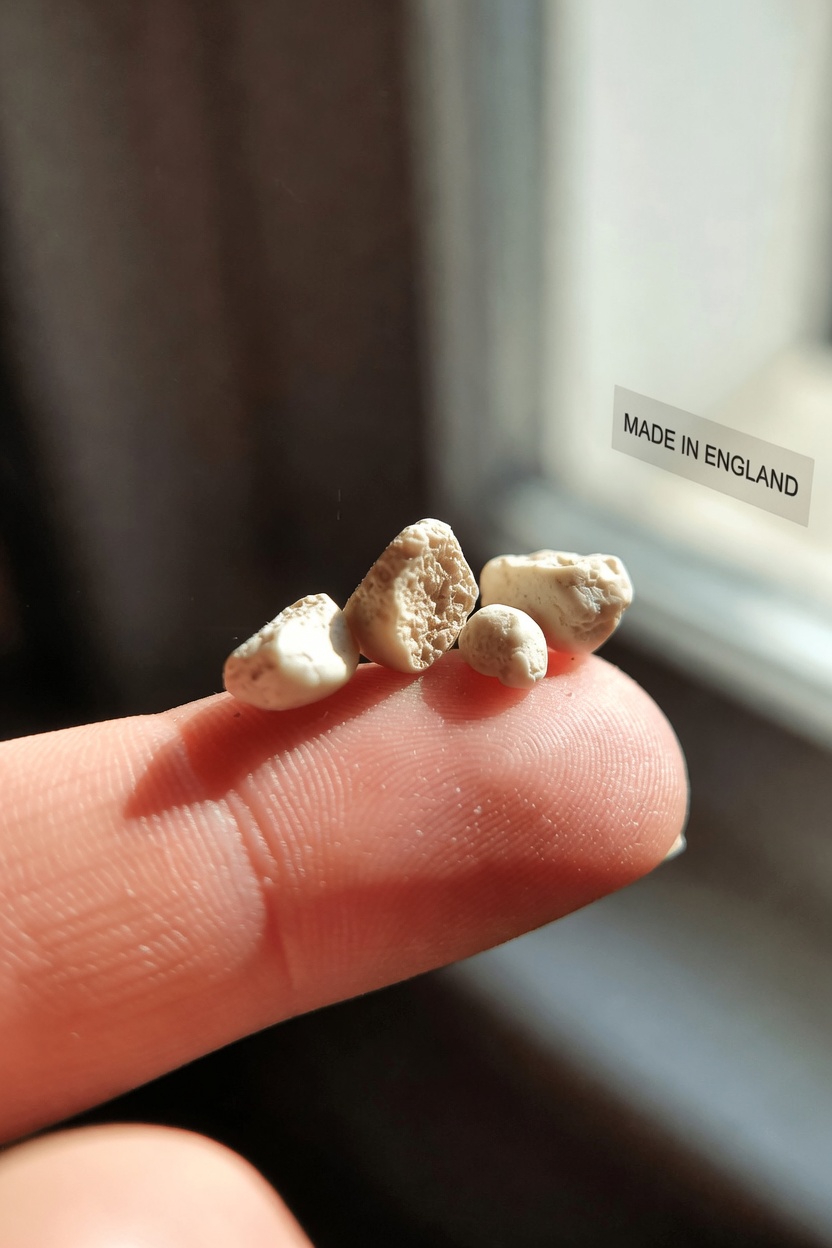
In many cases, they are as small as a grain of rice, though some can grow to the size of a small pea. Their color may be white, pale yellow, or slightly gray. Some people discover them because they feel minor throat irritation, while others only notice them when checking the back of the throat in a mirror.
What surprises many people is how common they are. They can occur at any age, but they tend to appear more often in adults, especially those with deeper tonsil crevices.
How Do Tonsil Stones Form?
Your tonsils help trap germs and particles that enter through the mouth and nose. As part of that job, they can also collect food debris, mucus, and dead cells over time. These materials may become stuck inside the small folds or crypts of tonsil tissue.
Once trapped, the debris mixes with saliva and bacteria. Gradually, that mixture hardens and becomes the small white stones you may see or feel.
Dental and oral health experts often compare this process to plaque formation on teeth, except that tonsil stones develop in hidden pockets at the back of the throat. They do not appear instantly. Instead, they form little by little as material builds up and minerals in saliva cause it to calcify.
Even if you maintain good oral hygiene, tonsil stones can still develop. That is because the structure of the tonsils themselves can create ideal places for debris to collect.
Why Do Tonsil Stones Smell So Bad?
The strong odor mainly comes from bacteria living inside the stones. In particular, anaerobic bacteria thrive in low-oxygen spaces like tonsil crypts. As these bacteria break down trapped food particles and proteins, they release volatile sulfur compounds.
These sulfur compounds are the same type of substances linked to smells like rotten eggs or spoiled food. That is why tonsil stones can produce such a powerful bad-breath effect.
Research in oral microbiology supports this explanation. When a stone remains hidden in the tonsil, the smell may be less noticeable. But once it dislodges or is pressed out, the concentrated odor often becomes much stronger.
Understanding this can be reassuring. In most cases, the smell is not a sign of anything mysterious or dangerous. It is simply the result of a natural bacterial process.
Common Reasons Tonsil Stones May Develop More Often
Some people are more likely to get tonsil stones than others. A few everyday factors can make them more common:
- Deep or large tonsil crypts that trap more material
- Post-nasal drip caused by allergies or sinus problems
- High dairy or sugary food intake, which may increase mucus or oral buildup
- Dry mouth or reduced saliva flow, especially during sleep or from certain medications
- Inconsistent oral care, allowing debris and bacteria to accumulate more easily
These factors help explain why one person may deal with tonsil stones regularly while another rarely notices them.
Daily Habits That May Help Reduce Buildup
You do not need an overly complicated routine to support a cleaner, fresher mouth. Simple daily habits may help lower the chance of debris collecting in the tonsils.
Try these practical steps:
- Rinse with warm salt water after meals to help wash away loose particles from the throat.
- Brush gently and clean the tongue regularly using a soft toothbrush or tongue scraper.
- Drink enough water throughout the day so saliva can naturally help clear debris.
- Use an alcohol-free mouth rinse in the evening to support fresher breath.
- Manage allergy-related drip with saline nasal spray during allergy season if needed.
These habits are easy to add to most routines and may help improve how your mouth feels day to day.
Signs to Notice and When to Get Them Checked
Most tonsil stones are harmless, and many people have them without serious problems. Still, it is helpful to know when they deserve more attention.
Watch for symptoms such as:
- Ongoing bad breath even after brushing
- A persistent metallic or unpleasant taste
- The sensation that something is stuck in the throat
- Swelling, tenderness, or pain around the tonsil area
If symptoms continue or the area becomes painful, it is a good idea to mention it at your next dental or medical appointment. In many cases, simply knowing what to monitor can reduce unnecessary worry.

Why Understanding Tonsil Stones Can Be Reassuring
Once you know how tonsil stones form and why they smell, they often feel much less alarming. Instead of seeming like a strange problem, they become something understandable and manageable.
That knowledge can make a real difference in how you feel about your oral health. For many people, learning the science behind tonsil stones removes much of the embarrassment and replaces it with practical daily care.
FAQ About Small White Stones in the Mouth
Are tonsil stones a sign of a serious health problem?
In most cases, no. They are usually a common and harmless result of the way tonsils naturally work. They do not typically mean you have a disease or serious infection, though it is always smart to keep an eye on changes.
Can tonsil stones go away on their own?
Yes. Many tonsil stones eventually come out naturally without any special treatment. Staying hydrated and rinsing gently may help the body clear them over time.
When should I talk to a healthcare professional?
If you have repeated discomfort, frequent swelling, or persistent bad breath that does not improve with basic oral care, bring it up with a dentist or doctor. They can give guidance based on your specific situation.
Important Note
This content is for educational purposes only and should not be considered medical advice. If you have concerns about your oral health, consult a qualified healthcare professional.