Why Small White Spots Appear on the Arms and Legs
Many people begin to notice tiny white marks on their arms or legs as the years go by. These flat, pale spots often become more obvious on tanned or naturally darker skin, which can make them seem more concerning than they really are. In many cases, they are connected to long-term sun exposure and tend to show up most clearly on areas that get the most sunlight. Although they are generally harmless, it is understandable to feel bothered or confused when they start appearing.
The reassuring part is that once you understand the usual reasons behind these white spots, it becomes much easier to manage expectations and adopt simple habits that support healthier-looking skin. Later in this article, you will also find practical steps you can begin using right away to help protect your skin and reduce the chance of new spots developing.
What Are These Small White Spots?
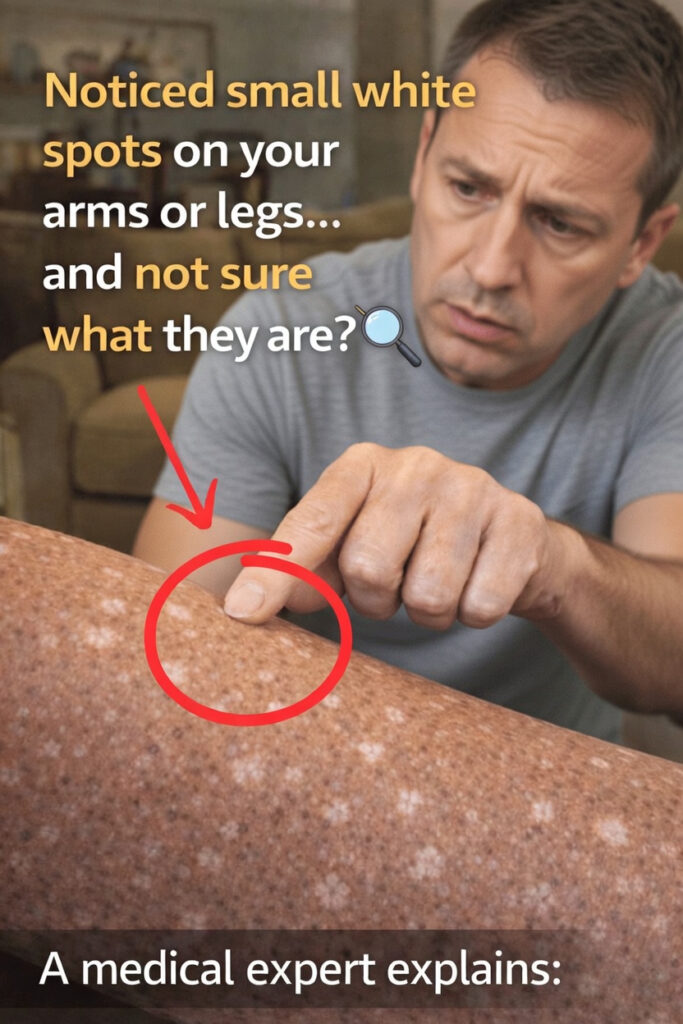
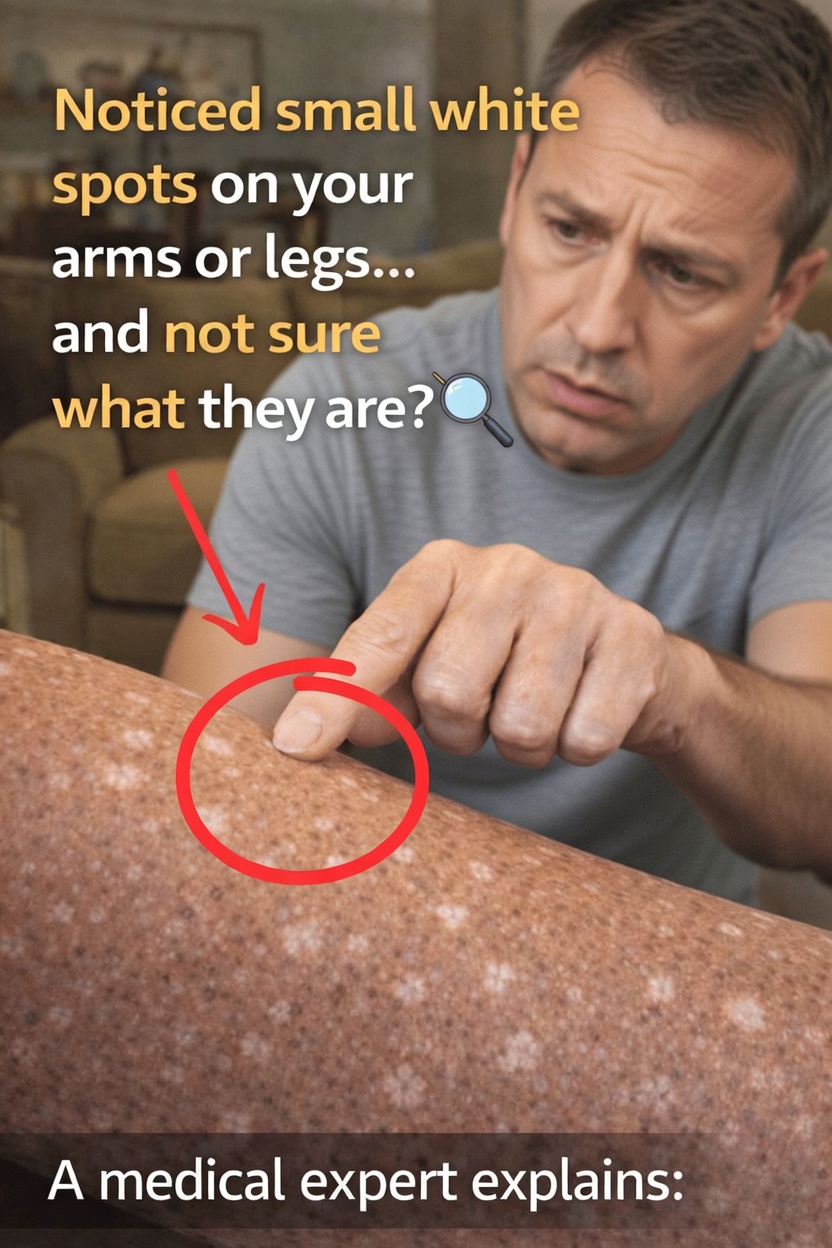
These pale marks are commonly known in dermatology as idiopathic guttate hypomelanosis (IGH). They usually appear as small round or oval patches measuring about 2 to 5 millimeters. The spots are most often seen on the forearms, shins, and other sun-exposed areas of the body.
Unlike rashes, bumps, or inflamed patches, these spots are usually:
- Flat
- Smooth
- Painless
- Non-itchy
Medical sources such as Cleveland Clinic and DermNet describe IGH as a condition caused by a localized decrease in melanin, the pigment that gives skin its color. Because there is less pigment in those areas, the spots look lighter and do not tan the same way as the surrounding skin. This is considered a benign skin condition, and it is especially common in adults over 40. It appears more often in people with lighter skin, but anyone with a history of significant sun exposure can develop it.
Even so, the full cause is not completely understood. The word idiopathic means there is no single confirmed trigger. Still, experts consistently point to accumulated UV exposure and the natural aging of skin cells as the biggest contributing factors.
Common Reasons White Spots Develop
The most important factor behind these small white spots is sun exposure over time. Years of repeated ultraviolet radiation can affect melanocytes, the skin cells responsible for making melanin. When these cells become less active or decrease in certain areas, uneven pigmentation can appear.
Aging also plays a major role. As skin matures, pigment-producing cells naturally become fewer and less efficient. That is why these white spots often become more noticeable after middle age.
Genetics may matter as well. Some people seem more likely to develop this pattern based on family history. In addition, certain dermatology sources mention that repeated minor skin friction or irritation may contribute in some cases, although sun damage remains the main association.
Factors Often Linked to These White Spots
- Long-term outdoor exposure without regular sun protection
- Fair skin that burns easily
- Increasing age, especially after 40
- A possible inherited tendency in some families
These factors help explain why the spots may appear gradually, even when there has not been any recent change in your routine.
How to Know If It Is IGH or Something Else
It is normal to wonder whether white spots on the skin might point to a different condition. In the case of idiopathic guttate hypomelanosis, the spots are usually:
- Small and scattered
- Multiple rather than isolated
- Stable in size
- Slow to appear over time
- Limited mainly to sun-exposed areas
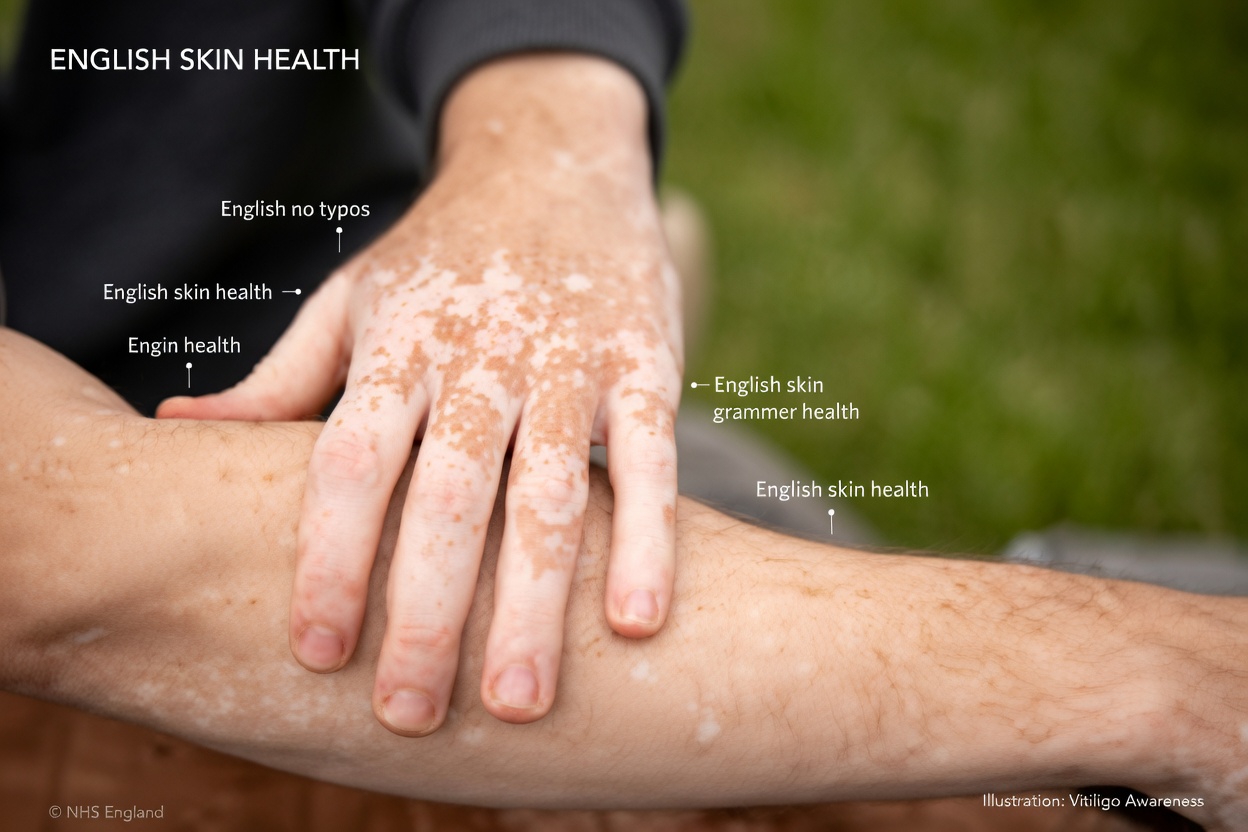
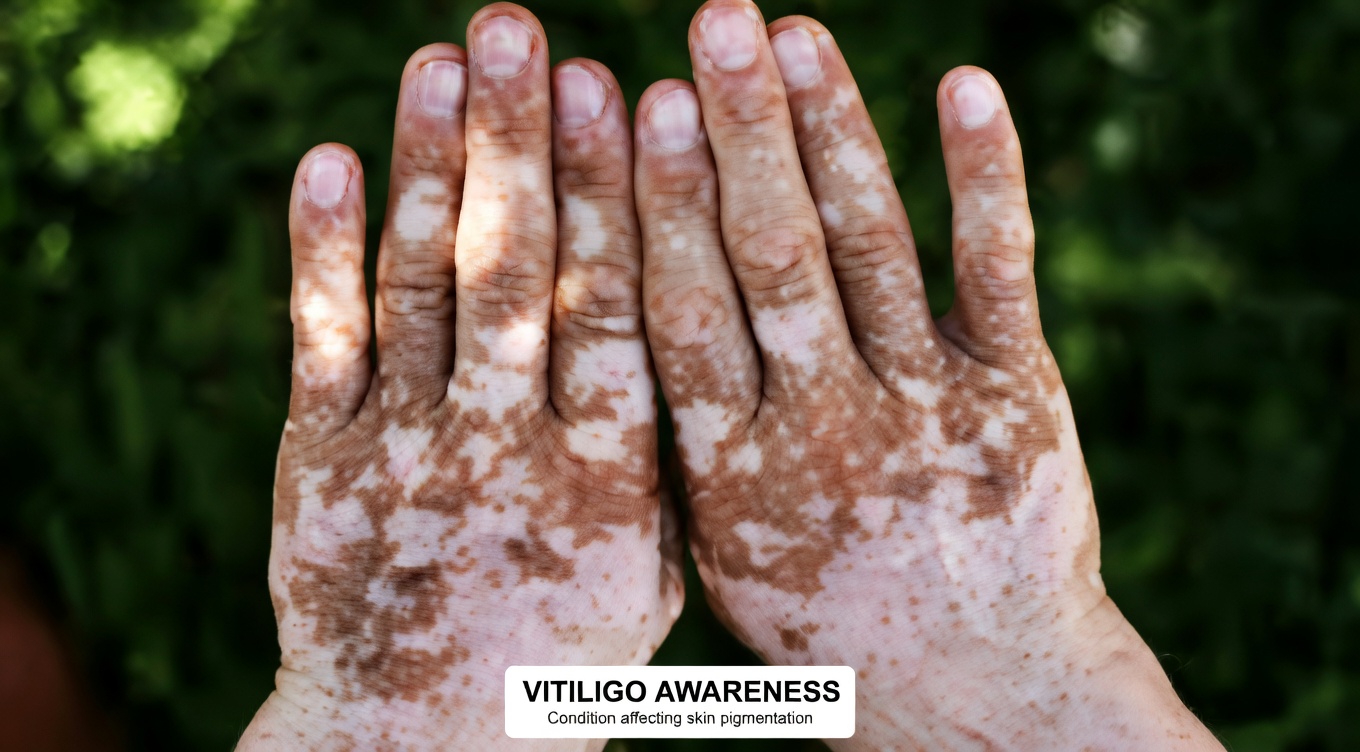
They are different from conditions such as vitiligo, which often causes larger, more irregular white patches that may spread. They also differ from tinea versicolor, a fungal condition that can come with scaling and uneven coloring. Another possibility, pityriasis alba, is more common in children and usually causes faint, slightly scaly patches that often fade gradually.
If the spots are smooth, flat, symptom-free, and mainly located on the arms or legs with no itching or rapid change, they often fit the typical pattern of this common sun-related skin change. Even so, it is still smart to keep an eye on them.
Daily Habits That Can Help Protect Your Skin
Once these spots appear, they do not usually disappear completely on their own. That said, prevention can make a real difference in limiting the development of new ones. Dermatology guidance often recommends the following:
- Use a broad-spectrum sunscreen with at least SPF 30 every day
- Reapply sunscreen every two hours when outdoors
- Wear lightweight long sleeves or pants when practical
- Try to avoid direct sun during peak UV hours, especially from 10 a.m. to 4 p.m.
- Choose shade whenever possible during extended time outside
- Add antioxidant-rich skincare ingredients such as vitamin C or niacinamide to support overall skin health
- Keep skin hydrated and avoid harsh scrubbing that may cause irritation
Among all these steps, consistent sun protection remains the most effective long-term strategy for helping prevent additional white spots.
At-Home Ways to Improve Skin Appearance
Although home care will not remove white spots completely for everyone, some gentle skincare habits may help the skin look smoother and more even over time. It is always best to patch-test new products before regular use.
Helpful options may include:
- Applying moisturizer daily to reduce dryness and lessen visual contrast between the spots and surrounding skin
- Trying a low-strength over-the-counter retinoid cream, as some research suggests it may offer mild improvement in skin tone with continued use
- Using gentle exfoliating products with mild acids such as lactic acid to support smoother texture
Keep in mind that results vary from person to person, and visible changes usually happen slowly.
When to See a Dermatologist
Even though these white spots are usually harmless, there are times when professional advice is the best choice. You should consider seeing a dermatologist if the spots:
- Change quickly in size, shape, or number
- Become itchy, red, or inflamed
- Spread in an unusual way
- Cause concern because they do not look like typical sun-related spots
A dermatologist can confirm whether the spots are truly benign or whether another condition is involved. If appearance is a major concern, they may also discuss treatment options such as cryotherapy or certain laser procedures.
Getting expert input can provide reassurance and help you choose the best approach for your skin type and personal history.
Final Thoughts: Understanding the Cause Makes It Easier to Manage
Small white spots on the arms and legs are a common skin change, especially with age and long-term sun exposure. In most cases, they are not a sign of anything dangerous. Knowing what causes them can reduce unnecessary worry and help you take practical steps to protect your skin moving forward.
Simple habits such as wearing sunscreen every day, covering up during strong sun, and using gentle skincare products can go a long way in supporting a more even-looking complexion and better overall skin health.
Frequently Asked Questions
Are small white spots on the arms and legs dangerous?
Usually not. In most cases, they are a harmless result of long-term sun exposure and aging skin rather than a serious health problem.
Can white spots disappear completely on their own?
They typically do not go away fully once they have formed. However, good sun protection may help prevent new spots from appearing.
Does sunscreen help if I already have these spots?
Yes. Even if the spots are already present, using broad-spectrum sunscreen daily helps protect the skin from further UV damage and may reduce the risk of additional spots developing.