Why Small White Spots Appear on the Arms and Legs
Many adults begin to notice tiny white specks on their arms, legs, or other sun-exposed areas after years of being outdoors. These marks can seem to appear gradually and may become more obvious over time, especially on medium to deeper skin tones. Although they can be surprising at first, they are usually not a sign of anything serious.
In most cases, these spots are simply a harmless change in skin pigment associated with aging and long-term sun exposure. Dermatology experts consider them a benign condition caused by the way ultraviolet light affects melanin production over the years. If you are wondering what causes them and whether anything can be done to reduce their appearance, the information below explains what you need to know.
What Are These White Sun Spots?
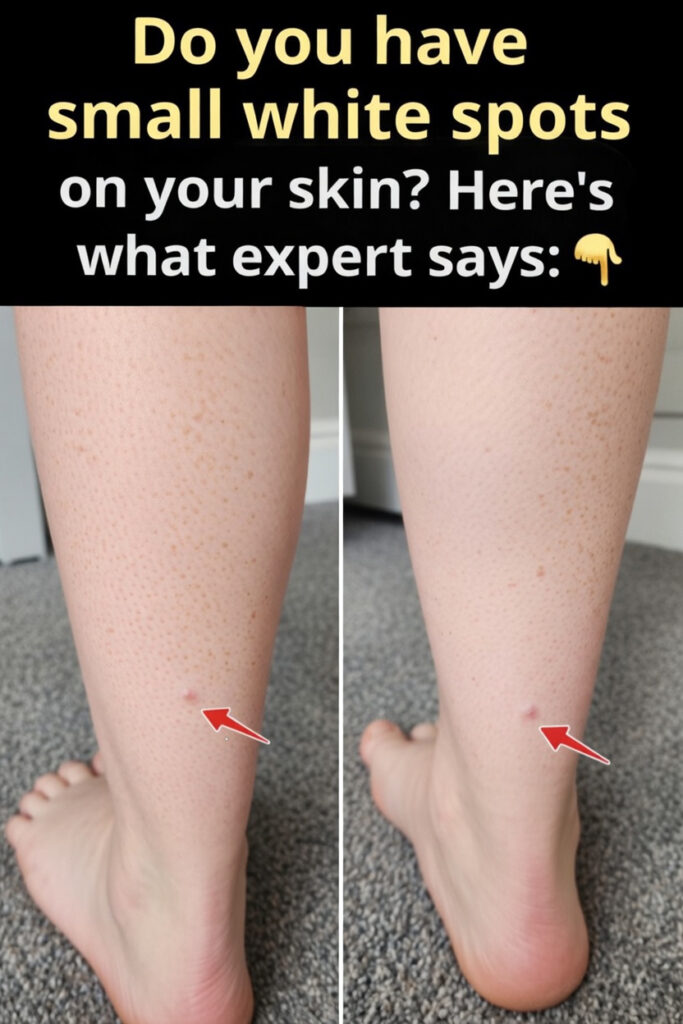
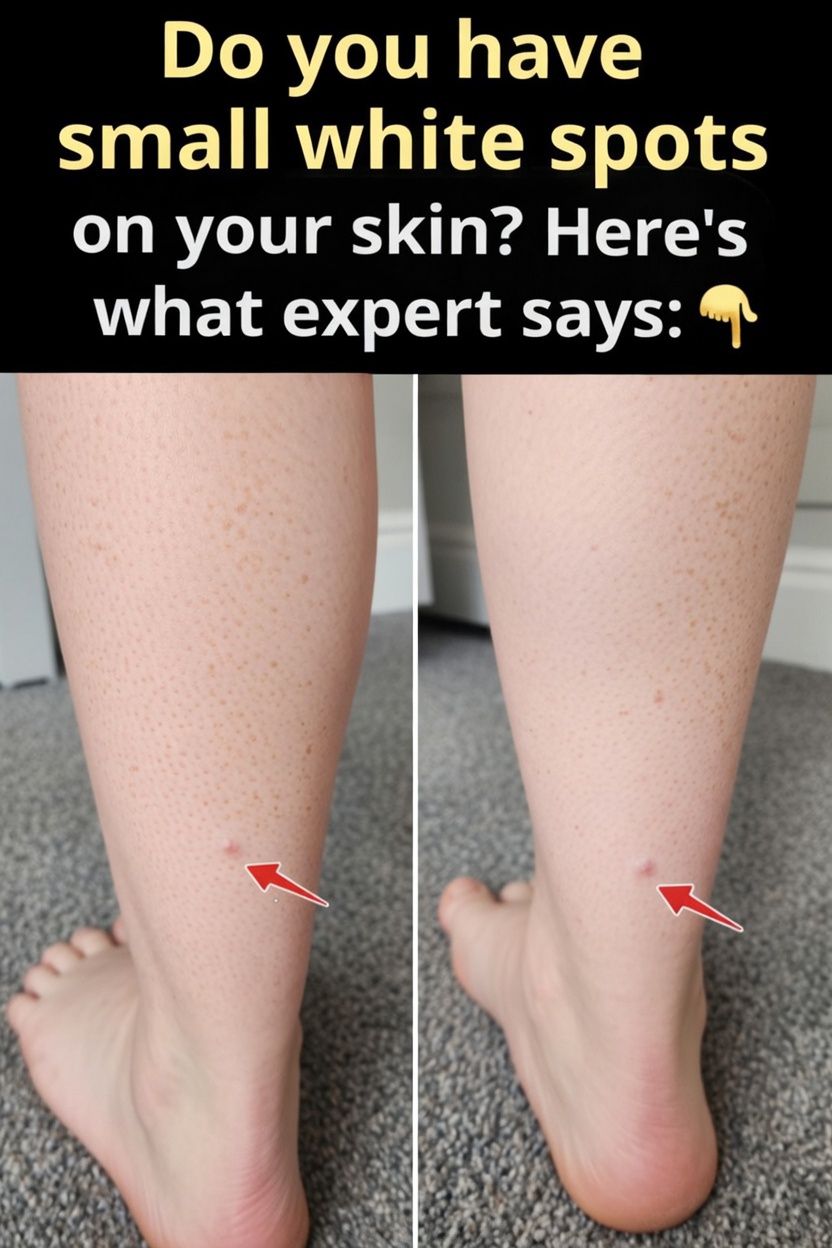
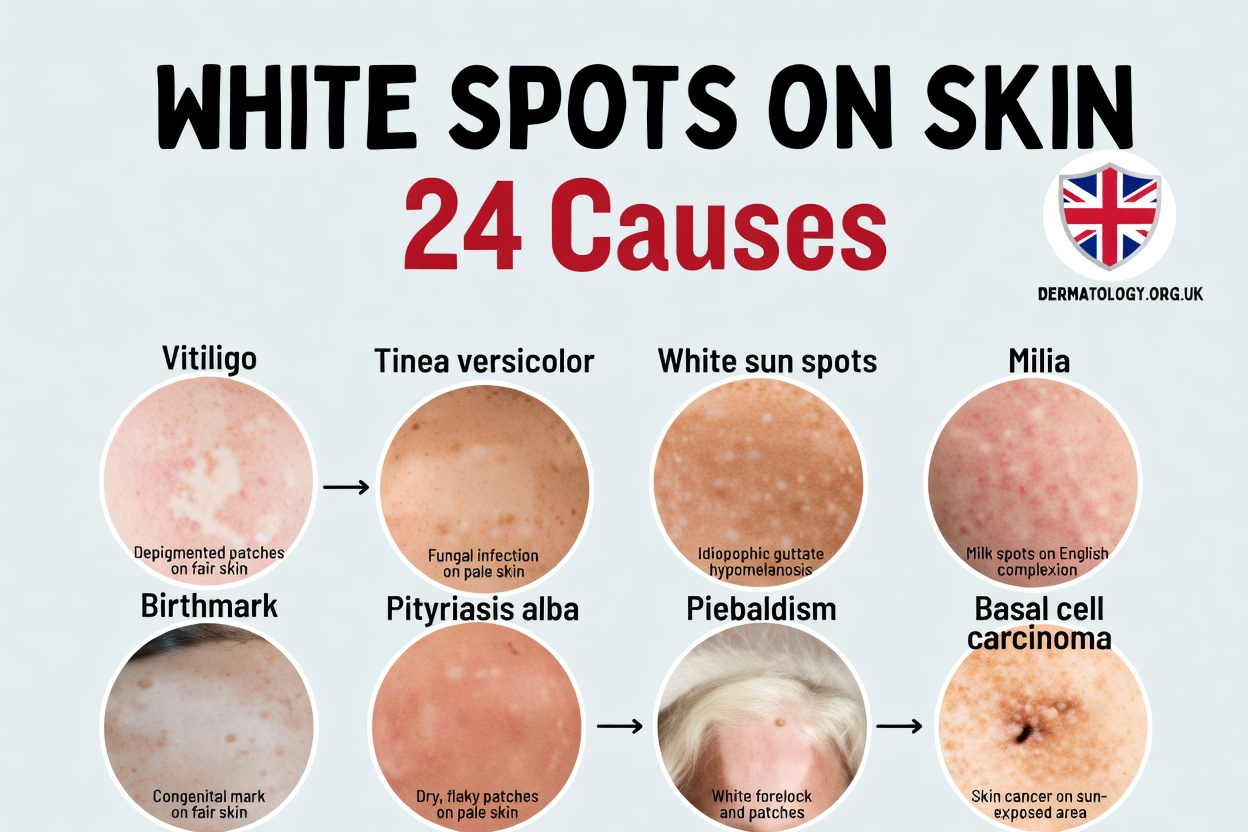
These small pale marks are commonly known as white sun spots or idiopathic guttate hypomelanosis (IGH). They usually appear as flat, smooth, round or oval spots that are lighter than the surrounding skin. In most cases, they are quite small, typically around 2 to 5 millimeters in size, ranging from about a pinhead to a pencil eraser.
They are most often found on areas that receive regular sun exposure, including:
- Forearms
- Shins
- Legs
- Upper back
- Chest
Unlike irritated skin conditions, these spots do not usually itch, hurt, or feel rough. They are simply lighter patches of skin. Research suggests they become especially common after the age of 40, and many adults in this age group have at least a few. On darker complexions, the contrast can make them appear more noticeable.
What Causes These Small White Marks?
The exact cause is not completely defined, which is why the condition is called idiopathic. However, evidence strongly connects these spots to cumulative UV exposure over many years. Sunlight can gradually affect melanocytes, the skin cells responsible for producing melanin, the pigment that gives skin its natural color.
When melanin production decreases in small localized areas, white spots can form. Other contributing factors may include:
- Natural skin aging
- Long-term sun damage
- Genetic predisposition
- Family tendency toward similar pigment changes
Importantly, these spots are not usually related to infection, allergies, or a dangerous underlying illness.
How to Recognize This Condition
White spots on the skin can have several causes, so it helps to know how IGH differs from other common conditions.
Idiopathic Guttate Hypomelanosis (IGH)
- Small white spots, usually 2 to 5 mm
- Flat and smooth
- Often multiple and scattered
- Common on sun-exposed arms and legs
- No itching, pain, or scaling
- Seen frequently in adults over 40
Pityriasis Alba
- More common in children and teenagers
- Light patches may have mild dryness or scaling
- Often starts with a pink or reddish tone
- Usually appears on the face or arms
- Often associated with dry skin or eczema
Tinea Versicolor
- Caused by yeast on the skin
- Can create either lighter or darker patches
- Often has fine scaling
- More commonly affects the trunk and back
- May spread over a broader area
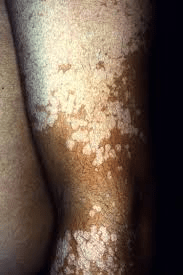
Vitiligo
- Produces larger, more sharply defined pale patches
- Involves more complete pigment loss
- Can appear on the face, hands, and many other areas
- Often has a more irregular pattern
If your spots are small, white, flat, painless, and mostly found on sun-exposed limbs, IGH is a likely explanation. Even so, a dermatologist can confirm this during a routine skin examination.
Daily Habits That Help Protect Your Skin
Once these white spots develop, they usually do not disappear on their own. Still, healthy skin habits may help protect the surrounding skin and reduce the chance of additional spots forming.
1. Use Sunscreen Every Day
Apply a broad-spectrum sunscreen with SPF 30 or higher daily. This matters even when it is cloudy or when you spend time indoors near windows.
2. Cover Up in Strong Sun
Protective clothing can reduce UV exposure significantly. Helpful options include:
- Long sleeves
- Wide-brim hats
- Lightweight pants
- Seeking shade between 10 a.m. and 4 p.m.
3. Keep Skin Moisturized
Dry skin can make pigment differences stand out more. Using a gentle moisturizer regularly can improve the skin’s overall appearance and texture.
4. Eat Foods That Support Skin Health
A balanced diet rich in antioxidants may benefit skin over time. Try including foods such as:
- Berries
- Leafy greens
- Nuts
- Seeds
- Colorful vegetables
5. Avoid Tanning Beds and Excessive Sunbathing
Artificial tanning and repeated sunbathing increase UV damage and may contribute to further pigment changes.
Among all prevention strategies, consistent sun protection remains one of the most widely recommended by skin experts.
When to See a Dermatologist
These white spots are usually harmless and do not require treatment. However, it is a good idea to seek medical advice if you notice any unusual changes, such as:
- A rapid increase in the number of spots
- Spots growing larger quickly
- Itching, flaking, or rough texture
- A pattern that appears unusual
- Spots forming on areas that rarely see the sun
- Concerns due to personal or family history of skin disease
A dermatologist can rule out less common conditions and give you reassurance about what you are seeing.
Extra Lifestyle Tips for Healthier-Looking Skin
Sun safety is the foundation, but other everyday habits can also support a smoother, more even-looking complexion.
- Drink enough water to stay hydrated
- Exfoliate gently once or twice a week
- Use mild skincare products that do not irritate the skin
- Consider ingredients such as niacinamide, which may help improve overall tone in some people
Results can vary, but these small steps can contribute to healthier-looking skin over time. The benefits also extend beyond the white spots themselves.
Conclusion
Tiny white spots on the arms and legs are often a normal skin change linked to aging and years of sun exposure. They are typically benign, painless, and very common in adults. While they usually remain once they appear, understanding what they are can make them less concerning.
The best approach is to focus on gentle skincare and reliable sun protection. These habits help preserve your skin’s health and may slow the development of new spots in the future.
FAQ
Are small white spots on the arms and legs dangerous?
No. In most cases, they are a harmless cosmetic change associated with sun exposure and aging.
Do these white spots disappear naturally?
Usually not. Once they develop, they tend to remain. However, good sun protection may help prevent new ones from forming.
Are they more visible on darker skin tones?
Yes. The contrast between the spots and the surrounding skin often makes them easier to notice on medium to darker complexions, although the condition can occur in all skin types.